

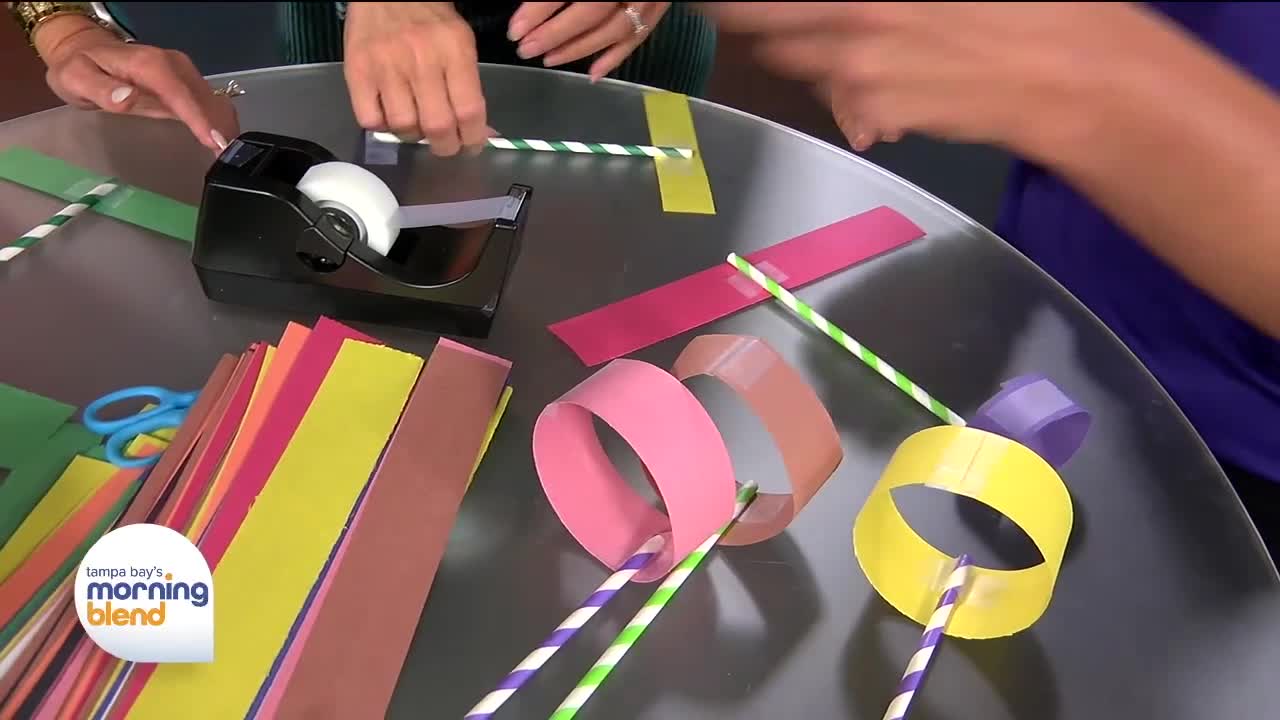

Ring gliders demonstrate how small design changes dramatically affect flight Ring gliders are a simple but powerful way to understand aerodynamics. Their circular shape changes how air moves around an object, reducing drag and creating lift in unexpected ways. Even a basic piece of paper becomes a tool to explore how shape and airflow determine whether something flies smoothly, stalls, or travels farther than expected.
Flight is really about engineering, testing, and refining ideas Aerospace design is built on experimentation. Changing something as small as the angle, weight distribution, or shape of a glider can completely change its performance. That process of trial, observation, and redesign is exactly how real engineers develop everything from airplanes to spacecraft. It shows that innovation often comes from small adjustments, not big inventions.
These same principles connect directly to Above and Beyond, included with admission The science behind ring gliders is the same foundation explored in Above and Beyond, our touring exhibit included with admission. Visitors can see how the principles of lift, drag, and design scale from simple flight experiments to the history and future of aviation and space exploration. It connects hands-on curiosity to real aerospace innovation and the story of how humans learned to fly—and keep pushing beyond it.
For more information, visit mosi.org
