



TAMPA, Fla. — President Donald Trump is warning Iran not to escalate attacks following a joint US-Israel military operation that killed Iran's Supreme Leader Ali Khamenei.
US Central Command, headquartered in South Tampa and known as CENTCOM, confirmed it launched Operation Epic Fury at the direction of President Trump. The strike killed Khamenei, whom Trump called one of the most evil people in history, adding that Iranians can now take back their country.
WATCH: Former CENTCOM director says no clear strategy beyond toppling Tehran after strike kills Khamenei
Trump also said the decision to strike stops Iran from getting nuclear weapons, though the move clashes with his past criticism of the Iraq War.
Iran's Parliament Speaker responded by warning that the US and Israel will face "devastating blows."
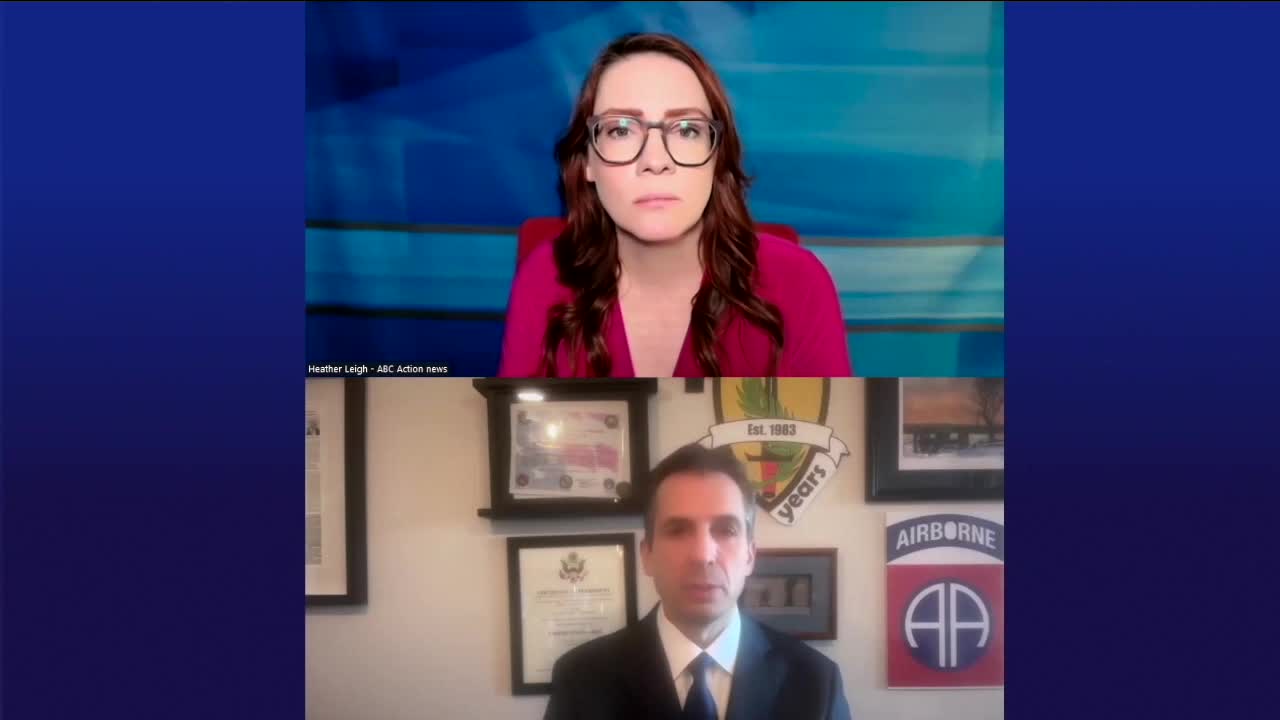
Tampa Bay 28's Heather Leigh spoke with Joe Buccino, a former CENTCOM director and former US Army colonel who served the nation for 27 years, about the strikes. Buccino believes the attack is less about Iran's nuclear program and more about regime change.
When asked whether American troops could be deployed to Iran in the coming months, Buccino said:
"The Trump administration is not going to want to put troops inside Iran, but the problem is how do you affect regime change, and how do you put a new regime in place in a country that's as diverse ethnically as Iran without doing so? The question is, of course, what goes in its place? Inside of Iran, you've got Azeris, Kurds, Persians, Balochs, traditional Arab/Muslims, so how do you unify that country in solidarity with a new administration and new leadership in Tehran and how do you do that securely without putting troops in there? The answer is, I don't know. But I do not anticipate the administration is going to put American troops inside Iran at all."
When asked whether the situation would need to play out before next steps could be determined, Buccino said:
"Sure, if there's a strategy beyond toppling Tehran, nobody knows what it is. I do not think there is a strategy beyond that. But that's what I'd be concerned about."
Buccino said he hasn’t seen any official strategy or plan for what happens next, moving forward, now with the toppling of Tehran.
Buccino believes this is a breaking point for Tehran. He expects the conflict to continue for the next one to three weeks and said the Middle East will likely look much different afterward.
This story was reported on-air by a journalist and has been converted to this platform with the assistance of AI. Our editorial team verifies all reporting on all platforms for fairness and accuracy.
Share Your Story with Heather
Heather Leigh was born and raised in Tampa Bay. She’s invested in telling stories from Seminole Heights and Ybor City and helping you find affordable childcare. Send Heather a message with any ideas you’d like to share.
.

Bradenton community responds after 20-year-old volleyball star dies from disease that affects 2 in a million
The 20-year-old IMG Academy volleyball star and Under Armour All-American died Sept. 16 after a three-month battle with the rare blood disorder — even though doctors had found her a 100% bone marrow match, her mother, Tanya Mack tells Tampa Bay 28 reporter Haley Zarcone.
