



TAMPA, Fla. — Update:
The FDA sent a closeout letter March 4th in response to the FDA's warning letter last September.
WATCH UPDATE
Dear Mr. Lih:
The Food and Drug Administration has completed an evaluation of your firm’s corrective actions in response to our Warning Letter (CMS # 713455, dated September 18, 2025). Based on our evaluation, it appears that you have addressed the violations contained in this Warning Letter. Future FDA inspections and regulatory activities will further assess the adequacy and sustainability of these corrections.
This letter does not relieve you or your firm from the responsibility of taking all necessary steps to assure sustained compliance with the Federal Food, Drug, and Cosmetic Act and its implementing regulations or with other relevant legal authority. The Agency expects you and your firm to maintain compliance and will continue to monitor your state of compliance. This letter will not preclude any future regulatory action should violations be observed during a subsequent inspection or through other means.
A choking rescue device that has been donated to police departments across Florida and sold nationwide for nearly a decade has never received FDA approval and may "put the public health and safety at risk," according to a federal warning letter.
Watch full report from Adam Walser
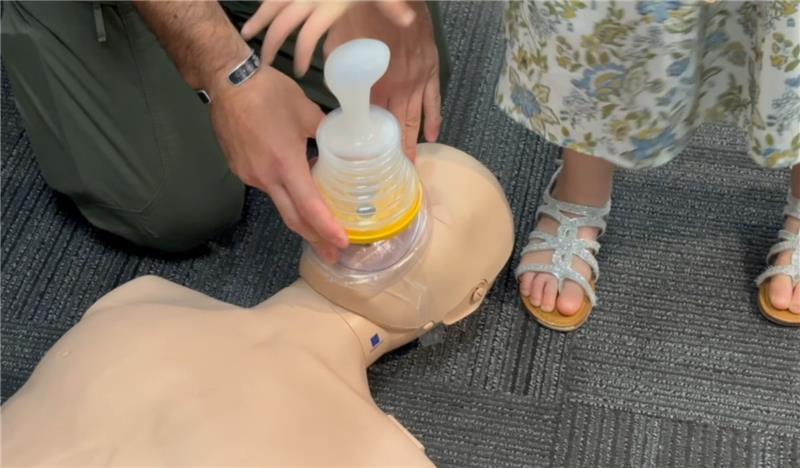
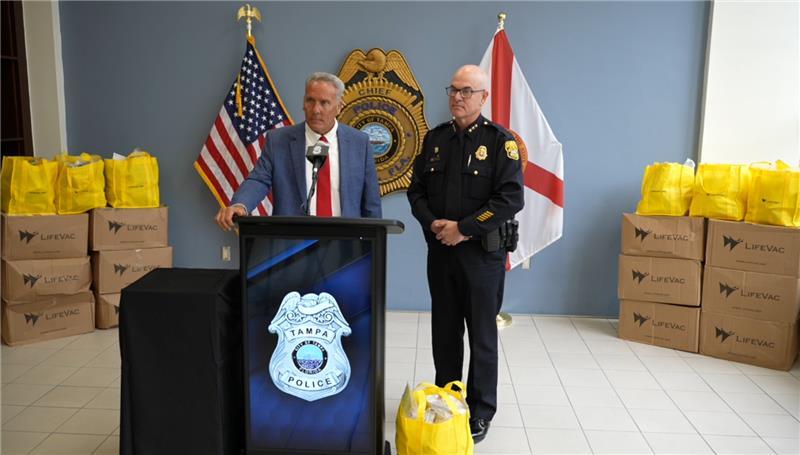
The LifeVac, invented by Arthur Lih in 2016, works like a plunger to create suction and remove objects from a choking person's airway. The device has been distributed to first responders throughout Florida, including Tampa Police, which received 300 units as a donation last June.

FDA raises safety concerns after years of contact
The Food and Drug Administration issued a warning letter to LifeVac LLC in September 2025, stating the device should not be marketed or sold without proper approval.
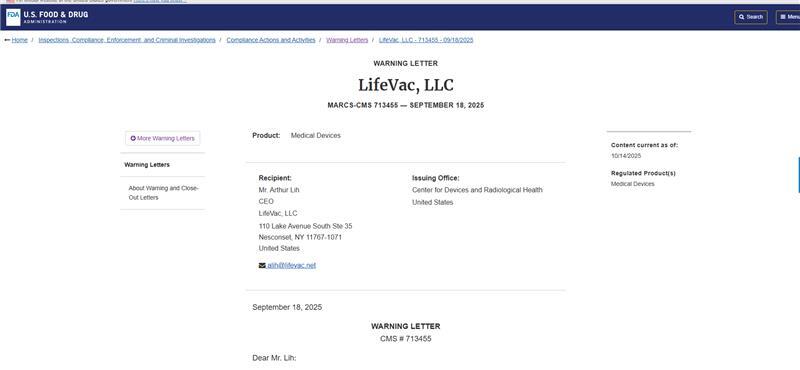
The letter revealed that the FDA first contacted the company in 2023 and then multiple times in 2025, requesting that the company stop marketing and distributing the devices.

"The safety and effectiveness of the device has not been established," the FDA wrote, adding there are reports of problems including "failure to resolve a choking incident due to lack of suction, bruising around the face, lips, and mouth, and scratches in the back of the throat."

Tragic incident raises questions about effectiveness
In October 2024, a fifth grader named Benjamin Cronin started choking in the cafeteria at Laurel Oak Elementary School in Naples.

According to an incident report, a deputy saw a nurse's aide with a LifeVac saying, "He's choking! It's not working!"
Benjamin was revived with an AED but died two days later.
The medical examiner determined the cause of death was "complications of choking on food."
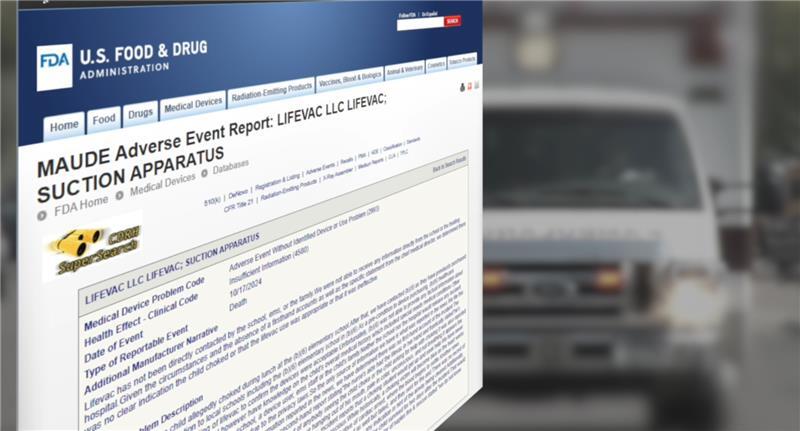
LifeVac filed an adverse incident report with the FDA but stated, "There was no clear indication the child choked or that LifeVac use was appropriate or that it was ineffective."
Limited scientific evidence supports device
A 2023 study published by the National Institute of Health tested LifeVac on a human cadaver using commonly aspirated foods, including saltines, grapes and cashews.
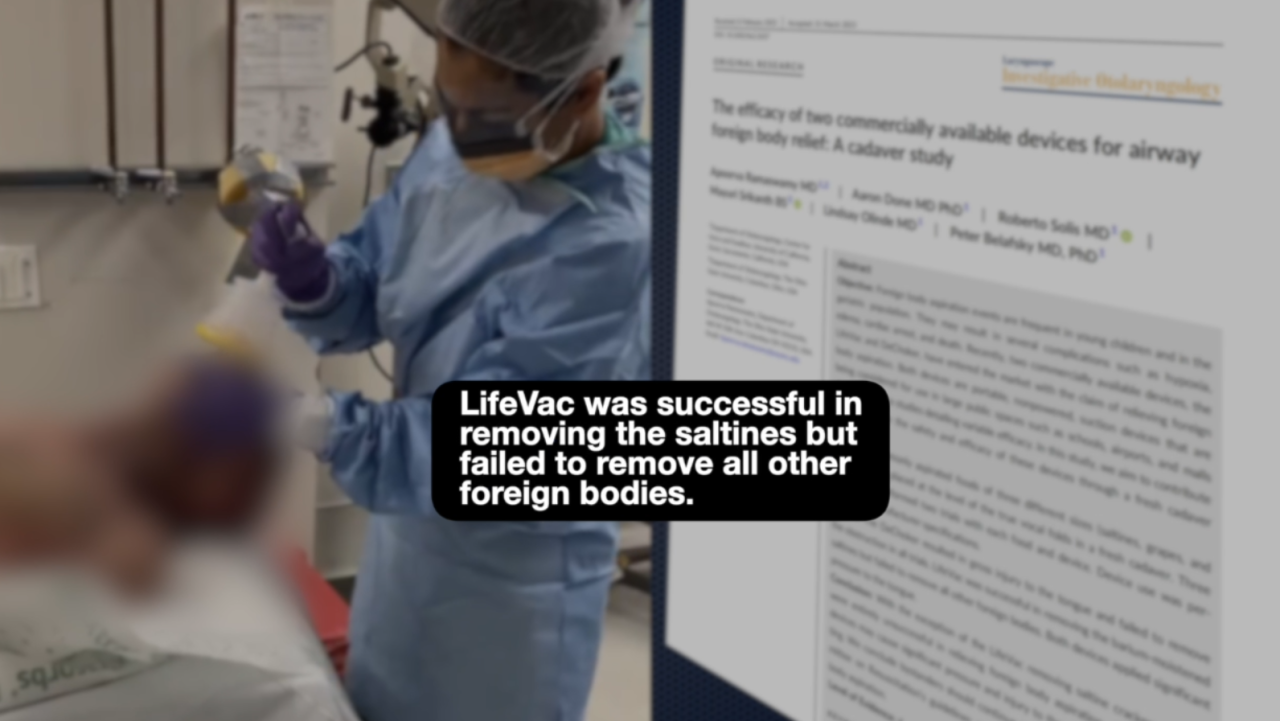
The study found that "LifeVac was successful in removing the saltines but failed to remove all other foreign bodies," and that "may cause significant pressure and injury to the oral cavity."
The American Red Cross, the nation's largest provider of first aid training, does not endorse LifeVac or any anti-choking device "due to lack of reliable evidence to support the routine or initial use of anti-choking devices."

The Red Cross recommends back blows, abdominal thrusts and CPR if the person becomes unresponsive.
Company claims thousands of lives saved
Despite FDA concerns, LifeVac claims the device has saved more than 5,300 lives.
According to the National Safety Council, that's close to the number of people who choke to death in the U.S. each year.
Lih said in a radio interview last year that the company's annual sales were expected to exceed $100 million.
The device, which includes rubber face masks, sells for $70, compared with a basic sink plunger that costs about $5.
Body camera footage shows successful rescues
Body camera footage from the Ackworth, Georgia, police department shows officers successfully using LifeVac to save a man choking on a bottle cap and an elderly patient choking on food at an assisted living facility.
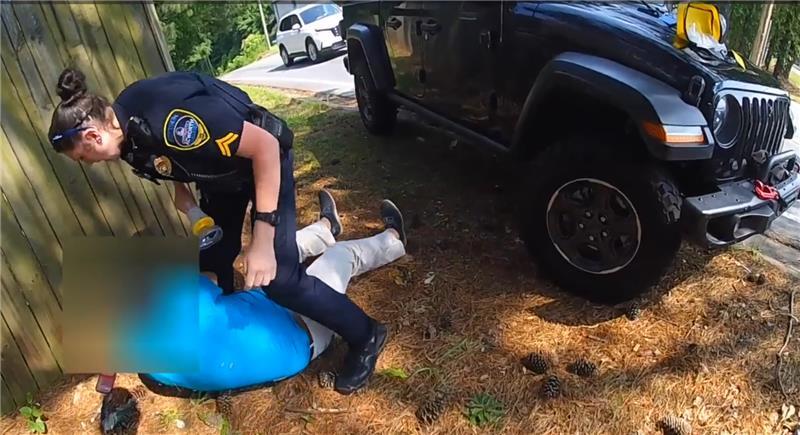
"When we get there, I need you to pop the trunk. I want to get my LifeVac," an officer said in the bottle cap rescue footage.

Some departments discontinue use
Following the FDA warning, some Florida departments have stopped using LifeVacs, including the Sarasota, Pensacola and Pembroke Pines Police departments.
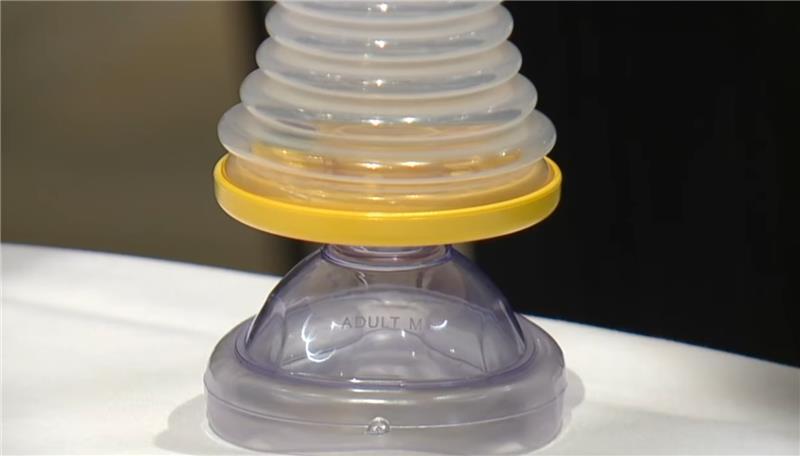
Tampa Police declined an interview request but wrote in a statement, "LifeVac is intended to be an additional tool and does not replace proper training or traditional lifesaving methods taught by the department."

Traditional methods prove effective
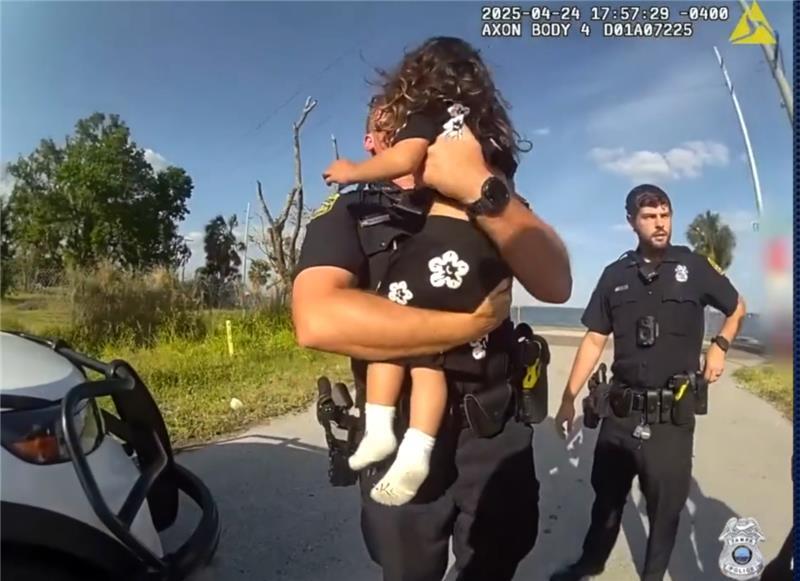
The effectiveness of traditional choking rescue methods was demonstrated when Tampa Police officers saved a toddler choking on a tomato using established protocols, including back blows and abdominal thrusts.
"There you go. Spit it out. Spit it out," an officer said as the child coughed up the obstruction.
"You all right? You good?" he asked the boy.
No LifeVac was required for the successful rescue.
Legislative efforts face mixed results
The Texas Legislature passed a law last year requiring "at least one airway clearance device" at each of the state's 9,000 public school campuses, despite written objections by school nurses.
The law went into effect days before the FDA warning letter.
A similar bill in New York failed after educators pushed back due to the lack of FDA approval.
"The FDA approval helps us realize what is appropriate for a school setting and what isn't," a Buffalo superintendent said.
Company working toward approval
LifeVac says it has submitted 2,000 pages of documents and is working with the FDA to get final approval.
A spokesperson says their attorneys are addressing the FDA's concerns about sales and marketing, which continued after the warning letter.
The FDA responded to questions about the approval process by stating: "The FDA does not discuss possible or ongoing compliance matters except with the company involved."
Share Your Story with Adam
Adam Walser has spent more than a decade fighting for what’s right in Tampa Bay as part of the I-Team. He’s helped expose flaws in Florida’s eldercare system and held leaders accountable for questionable HOA practices. Reach out to Adam with any issue you think he needs to investigate.
.

Bradenton community responds after 20-year-old volleyball star dies from disease that affects 2 in a million
The 20-year-old IMG Academy volleyball star and Under Armour All-American died Sept. 16 after a three-month battle with the rare blood disorder — even though doctors had found her a 100% bone marrow match, her mother, Tanya Mack tells Tampa Bay 28 reporter Haley Zarcone.
