



TALLAHASSEE, Fla. — The votes are counted. The baggage is in transit.
Florida's primary winners are working to turn former rivals into fall allies, with Republicans and Democrats launching separate unity efforts as the November general election comes into focus.
WATCH BELOW: DeSantis, Donalds plan reunion as Democrats navigate socialism split
For Republican gubernatorial nominee Byron Donalds, the effort began on primary night. Donalds won nearly 48 percent of the vote in an 11-candidate field, finishing well ahead of Lt. Gov. Jay Collins, who took roughly 25 percent.
"Tonight, the primary is over," Donalds told supporters. "Tonight, we put aside our differences. Tonight, we are one united Republican Party."
The declaration followed a campaign that exposed a persistent gap between Donalds and outgoing Gov. Ron DeSantis. DeSantis declined to endorse anyone in the Republican primary, including Collins, the lieutenant governor he appointed in 2025. Still, his public criticism of Donalds made the distance between the governor and the eventual nominee especially visible.
DeSantis previously said Donalds had not been part of his administration's victories in Florida. Donalds suggested the friction stemmed from his decision to endorse Donald Trump over DeSantis during the 2024 presidential primary. Now comes what looks like a thaw.
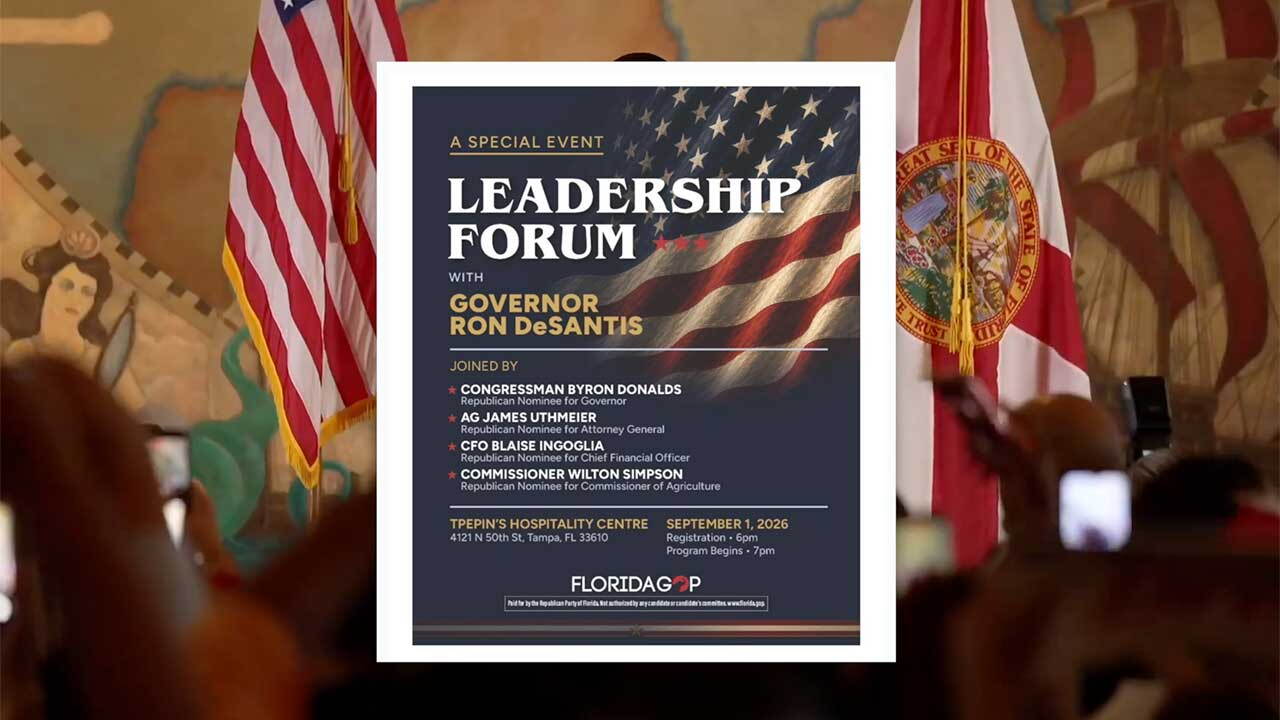
DeSantis and Donalds are scheduled to share a stage Tuesday at a Republican leadership forum in Tampa. Attorney General James Uthmeier, Chief Financial Officer Blaise Ingoglia and Agriculture Commissioner Wilton Simpson are also expected at the event.
Florida GOP leaders previously predicted the GOP would move past the primary and unite around its statewide slate.
"I think we're having a Kumbaya moment," Ingoglia said Aug. 18. "We're all going to get in the same boat, rowing in the same direction."
Democrats are attempting their own version of post-primary peace talks, although their unity statement came with an unusually candid caveat.
The party's six statewide nominees met Sunday in Miami Lakes and said they were moving forward with "an abundance of goodwill, mutual respect, and friendship." The group included U.S. Senate nominee Angie Nixon; gubernatorial ticket David Jolly and Gwen Graham; attorney general nominee José Javier Rodríguez; CFO nominee Annette Taddeo; and agriculture commissioner nominee Joey Mendoza Atkins. The Florida Democratic Party previously announced the full slate following the Aug. 18 primary.
"While we won't be endorsing each other's full platforms, we are fully supporting each other as a ticket to deliver on a more affordable Florida and end corruption in Tallahassee and Washington," the nominees said in their joint statement.
They identified housing, healthcare, education and wages as common ground. The reference to their separate platforms, however, underscored the ideological distance between two of the party's most prominent nominees.
Nixon pulled off one of primary night's biggest upsets, defeating former national security official Alex Vindman despite being outspent by more than 16 to one. She joined the Democratic Socialists of America in June, although the organization did not endorse her campaign. Nixon has described herself as a social democrat and has tried to center her campaign on working-class economic issues rather than labels.
Jolly, a former Republican congressman who later became an independent before joining the Democratic Party, has drawn a clear ideological line. Asked about Nixon after the primary, he said, "I reject socialism. I'm a capitalist and I think capitalism creates the most amount of economic growth." He also acknowledged that the two candidates will disagree on some issues while working together on affordability, healthcare and education. Republicans have already moved to tie Jolly to Nixon's DSA affiliation.
Jolly's campaign returned to its unity message Monday, arguing that the election should focus on the cost of living instead of ideological attacks.
"Punching at other people has never reduced the cost of your insurance, or improved your school, or given you greater access to health care," Jolly said. "Punching at each other just divides us."
Both parties have reason to close ranks quickly. Republicans held more than 5.6 million active registrations as of July 31, compared with roughly 4.1 million Democrats, according to the Florida Division of Elections. More than 3.3 million voters were registered without a party affiliation.
The general election is Nov. 3. Donalds will face Jolly in the race to succeed the term-limited DeSantis, while Nixon will challenge Republican U.S. Sen. Ashley Moody in the special election for the remainder of Marco Rubio's term.
For now, both parties have found at least one dependable source of common ground: the other side.
