



TALLAHASSEE, Fla. — Florida lawmakers are set to end their scheduled legislative session without a finalized state budget, with leaders now announcing plans to return to Tallahassee in April to finish negotiations.
With hours left before lawmakers were supposed to adjourn, the Capitol had been facing a familiar problem: no budget deal, unresolved priorities and uncertainty about when negotiations would conclude.
Watch report from Forrest Saunders
Under Florida’s constitution, the Legislature must approve a balanced spending plan before the fiscal year begins July 1. But talks between the House and Senate stalled this week, leaving about a $1.4 billion gap between the two chambers’ proposals.
Late Thursday, Senate President Ben Albritton, R-Wauchula, informed senators that the Legislature intends to adjourn the regular session on schedule and return for a special session on the budget in mid-April, after the Easter and Passover holidays.
“It is my intention for the Senate to adjourn Sine Die tomorrow, jointly with our House colleagues, and return to Tallahassee for a Special Session on the Budget in mid-April,” Albritton wrote to senators.
Budget negotiations will continue behind the scenes until lawmakers agree on joint spending targets — a step known as joint allocations — that allow formal conference negotiations to begin.
“It is not necessary for Senators to return to Tallahassee until joint allocations are reached,” Albritton said, adding that Senate budget chairman Ed Hooper will continue negotiating with House leaders.
Albritton said affordability concerns remain central to the talks.
“With affordability top of mind for Florida families, the best thing we in state government can do to help is to keep taxes low…state government has to live within its means,” he said.
House Speaker Danny Perez, R-Miami, has also acknowledged negotiations will continue beyond the regular session deadline as lawmakers attempt to bridge differences between the chambers.
“I look forward to continuing this work with each of you as we finalize a budget that reflects the priorities of this chamber and fulfills our responsibility to the people of Florida,” said Perez.
The impasse is unfolding during one of the more combative legislative sessions in recent years. The House has taken a more confrontational posture toward both the Senate and Gov. Ron DeSantis, asserting its independence and pushing for lower spending levels than the Senate has proposed.
The tension has slowed negotiations on several major issues.
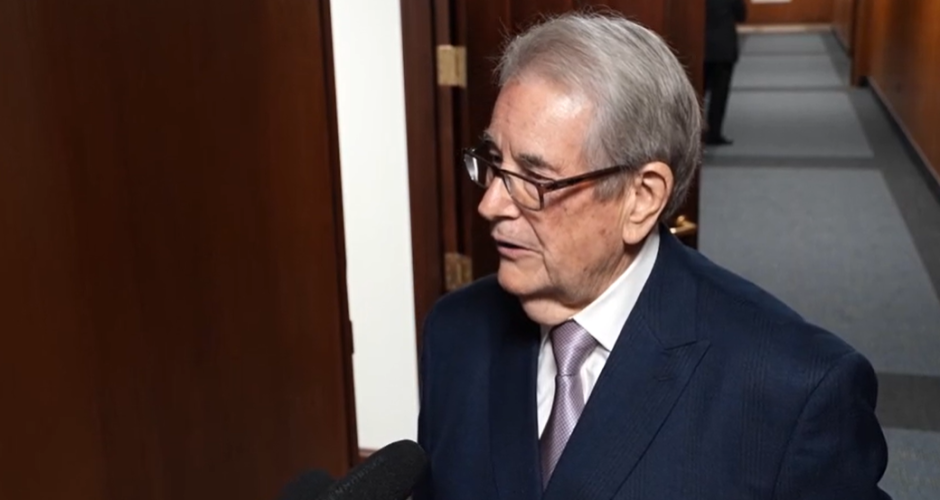
Former Senate President Don Gaetz, R-Pensacola, said the inability to finish the budget before the deadline reflects deeper mistrust inside the Capitol.
“Nobody is covered with glory by the fact that we were not able to get that done,” Gaetz said.
Asked whether lawmakers could still call the year successful, Gaetz was blunt.
“Absolutely not. When I go home to Northwest Florida…the first thing I’ll do is apologize.”
The uncertainty has also frustrated rank-and-file lawmakers, unsure how long negotiations will stretch.
“Absolutely, it's deja vu all over again. I don't even know what next week looks like,” said Sen. LaVon Tracy Davis, D-Orlando.
Beyond the budget, lawmakers also remain divided over property tax relief, one of the most politically sensitive issues facing the state.
House leaders say they have already delivered a proposal, advancing a plan that could place new non-school homestead tax exemptions on the 2026 ballot. But the Senate has not yet produced a companion plan, leaving the issue unresolved as the session ends.
Rep. Toby Overdorf, R-Palm City, said House members believe they have already delivered on that promise.
“We delivered on those promises. However, we haven't seen legislation come forward. I expect that we're going to be delivering something on the ballot this fall, as I have said all along,” Overdorf said.
The friction reflects a broader shift in the House this year, with members embracing a more independent role in policymaking.
Speaker Danny Perez framed that posture as deliberate.
“We have done our best to chart our own independent course through turbulent waters and unforeseen storms,” Perez said.
Some lawmakers say the more contentious dynamic is a healthy sign of checks and balances returning to Tallahassee.
“I hope that it's here to stay in the sense that I like a back and forth. That's how our founders created it,” said Rep. Danny Alvarez, R-Riverview.
But the shift has drawn criticism from the governor, who argues lawmakers spent too much time on political fights while major priorities — including his proposed AI “Bill of Rights” and changes to vaccine requirements — failed to pass.
“I think you gotta do what’s right for the people that sent you there. It’s not about personal agendas — it’s about what’s right for taxpayers,” DeSantis said.
Democrats have been even more critical, arguing the Legislature focused on ideological debates instead of policies aimed at lowering the cost of living.
“We had a giant fight about DEI…discussions about Medicaid work requirements…discussions today about elections,” said Senate Minority Leader Lori Berman, D-Boca Raton.
“What does any of this do to make people's lives better?”
Even as lawmakers prepare for a special session on the budget next month, more work is already looming.
The Legislature is also expected to revisit property tax reform later this year, and lawmakers are already scheduled to return to Tallahassee in April for a separate special session on congressional redistricting.
Some Republicans have expressed hesitation about revisiting the maps before the U.S. Supreme Court provides additional guidance on the Voting Rights Act, but the redistricting session remains on the calendar — ensuring the political battles of 2026 are far from over.
Share Your Story with Forrest
Capitol Reporter Forrest Saunders is dedicated to sharing your voice with political leaders throughout the state. He works to hold our elected leaders accountable and amplify your concerns. Let Forrest know about the issues you want state leaders to focus on.
.

Bradenton community responds after 20-year-old volleyball star dies from disease that affects 2 in a million
The 20-year-old IMG Academy volleyball star and Under Armour All-American died Sept. 16 after a three-month battle with the rare blood disorder — even though doctors had found her a 100% bone marrow match, her mother, Tanya Mack tells Tampa Bay 28 reporter Haley Zarcone.
