

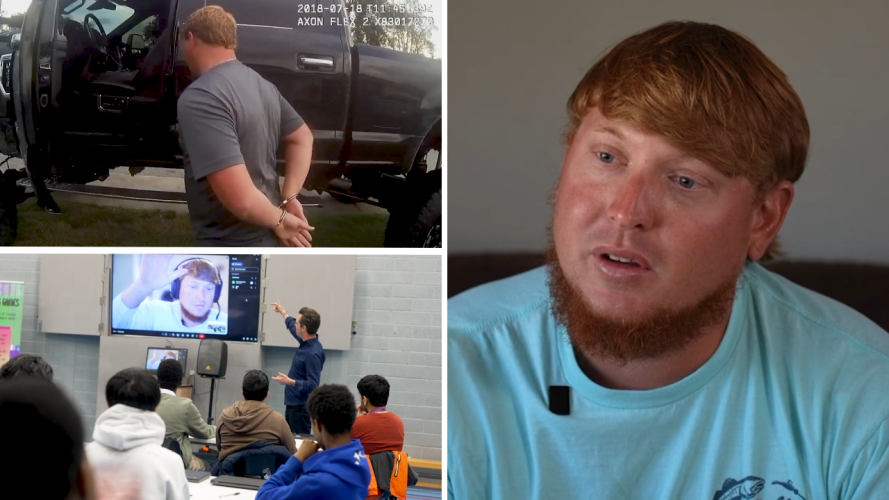


PASCO COUNTY, Fla. — Cybercrime is the fastest-growing crime type in America, according to the FBI. Agents say some of the worst offenders are hackers who started out as online gamers in their early teens.
Tampa Bay 28 is partnering with ABC News to expose the growing number of teens becoming involved in cybercrime.
ABC News is introducing you to teens nationwide who got caught up by the promise of easy money, only to end up behind bars.
Their stories will run on Good Morning America, World News Tonight and Nightline.
In July 2018, federal agents and local deputies arrested 24-year-old Ricky Handschumacher at his Pasco County home.
WATCH: Former teen hacker who stole millions now protects companies from cybercrime
"It was like straight out of a movie. They waited for me to walk out. I walked outside, and they swarmed me from every direction," Handschumacher said.
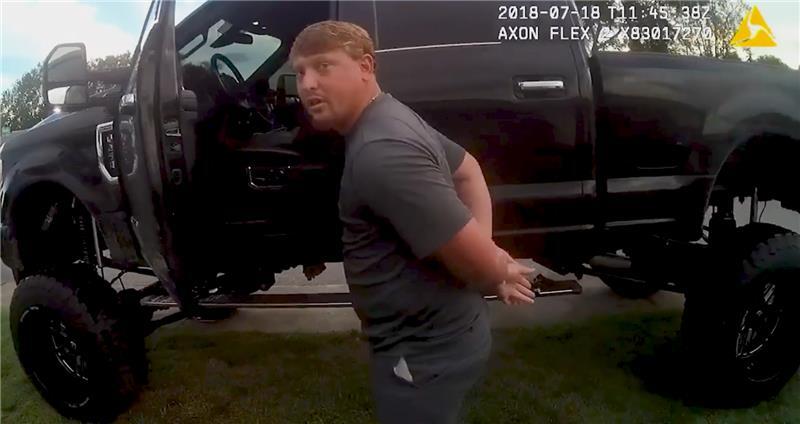
Handschumacher had been running an elaborate cybercrime scheme for a decade, targeting cryptocurrency accounts through SIM swapping.
The process involves cybercriminals using personal information to gain control of cell phones and wipe out connected cryptocurrency exchange accounts.

"I knew somebody who worked for phone providers. Everybody knew, hey, you can go to Ricky, like he has plugs to do whatever you need," Handschumacher said.
He said he paid that employee $200 per account to help him in his scheme.
"They didn't know what we were doing. We were SIM swapping for millions and we pay him $200," Handschumacher said.
“The Community”
Handschumacher was part of a nationwide hacker group referred to in a federal indictment as "The Community," which moved millions of dollars from unsuspecting victims into their own pockets.
He was introduced to hacking through online gaming and continued learning in online groups.
"It was a website called Hack Forums. I was able to go on there and see what it was," Handschumacher said.
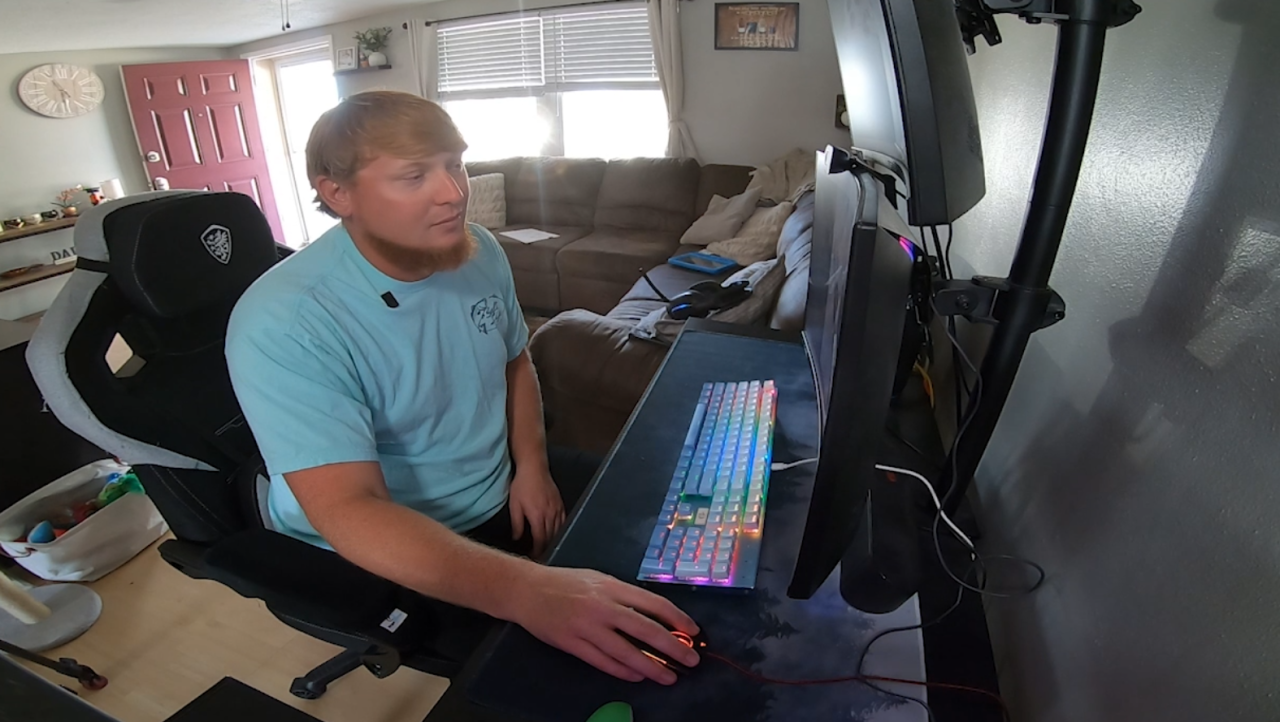
While most other teens he knew were mowing lawns or serving fries, Handschumacher was on his way to becoming an elite hacker.
He started by selling verified Instagram accounts in the days when they were exclusively reserved for high-profile celebrities, major global brands, and public figures.
"I was able to take those accounts and sell them for, you know, like $2,500 each. So I had money coming in at 14 or 15. I was like this is nice," Handschumacher said.
He then graduated to stealing cryptocurrency, which he sold for cash online.
While working as a city employee for $12 an hour, bundles of $100 bills regularly arrived in the mail.
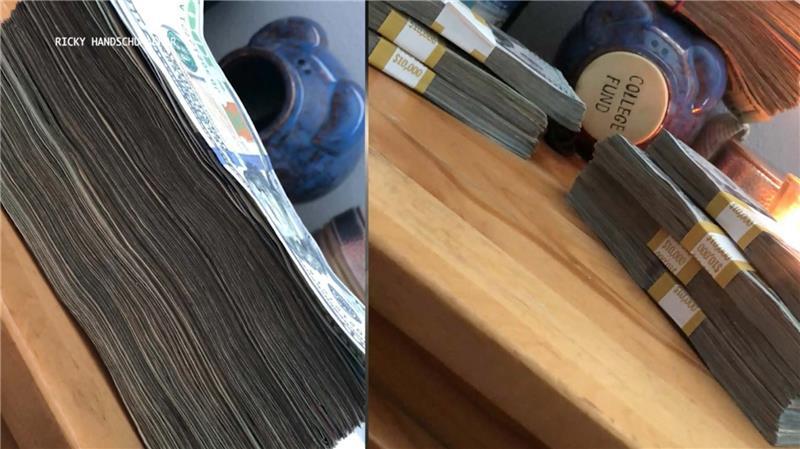
"I had a lot of nice stuff. Trucks, jet skis. I had two trucks," Handschumacher said.

Handschumacher said at the time, it didn't feel real.
"It didn't register to me like what exactly I was doing, like what crimes I was committing and stuff like that, so like I just realized like I have a lot of money now and I'm getting a lot of money," Handschumacher said.
Federal prison and a new path
Federal prosecutors saw it differently, sentencing him to four years in prison and ordering $7.6 million in restitution.
FBI Supervisory Agent Doug Domin said he is seeing more cybercrimes committed by young people.
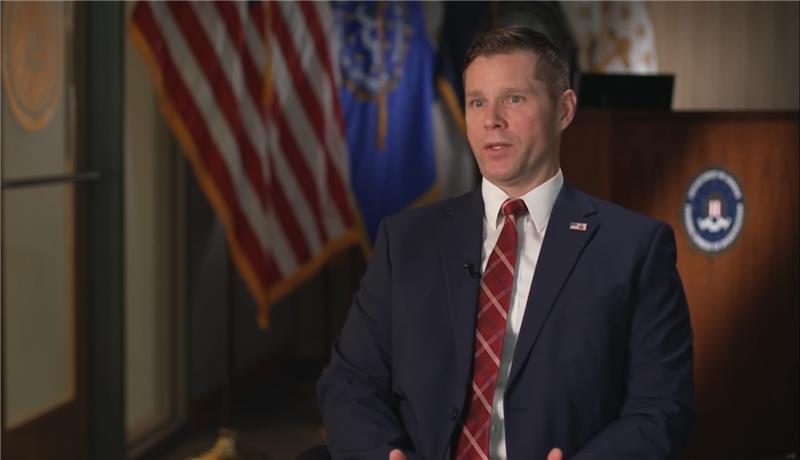
He said parents should be more aware of their children's online behavior.
"Parents need to understand what kids are accessing. What platforms they’re on. Putting barriers up. Putting time in on technology," Domin said.
"Talk to them about how cybercrime is a bad path to go down and offer some alternatives," he said.
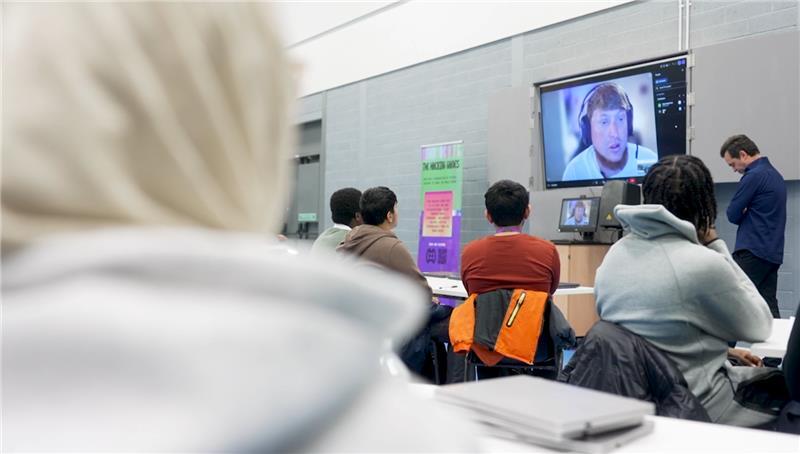
After serving two years in a federal prison camp, Handschumacher is back, but this time on the other side.
"I was a normal kid, everyday kid. You know, I was just playing sports and video games," Handschumacher told an audience of teens.
He is now speaking to young people, discouraging them from becoming involved in cybercrime, and working for a nonprofit called The Hacking Games that helps companies and organizations identify and fix vulnerabilities.
"People with my knowledge, my talent that want to do good now, like they're giving these people opportunities to do that," Handschumacher said.
The Hacking Games
The Hacking Games founder, Fergus Hay, has teamed up with a former FBI agent and convicted cybercriminals to try to combat the growing rate of cybercrime.
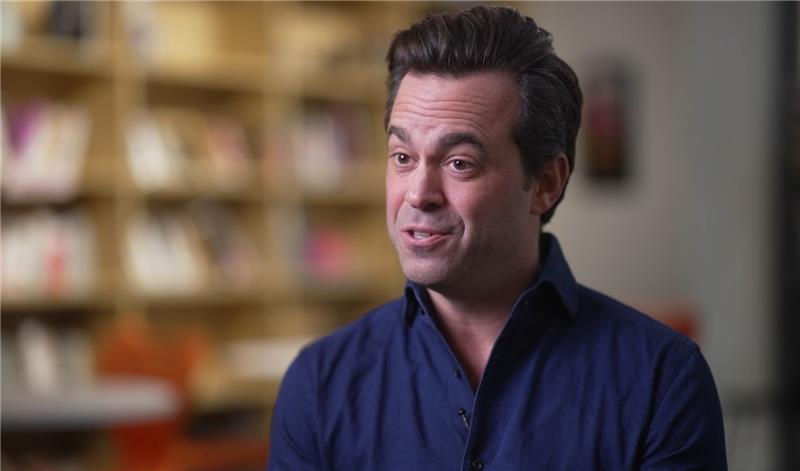
"The Hacking Games, we're on a mission to create a generation of ethical hackers to make the world safer," Hay said.
"Last year, the world lost $10.5 trillion in a singular year to cybercrime," Hay said.
That staggering amount represents about a third of the United States' gross domestic product.
"The vast majority of the people committing cybercrimes are children," Hay said.
Like Handschumacher, most started out playing online games.
"Gaming platforms are like a breeding ground. Like a live laboratory for these skill sets," Hay said.
"The overlap between a hacker and a gamer is 100 percent. Every hacker is a gamer. And it’s because they have the same mentality. It's spotting patterns, solving puzzles. It's breaking rules. It’s competing," Hay said.

Hay said he hopes The Hacking Games can help reach young people and steer them in the right direction before they are lured into a life of crime.
"Parents need to understand the world that their kids are living in. Understand the threat of their kid being groomed from their bedroom," Hay said.
Now, Handschumacher's message is reaching gamers worldwide.
"I feel terrible. That could have been my victims’ college funds, retirement," Handschumacher said.
"Young me just didn’t think about it," he said.
Share Your Story with Adam
Adam Walser has spent more than a decade fighting for what’s right in Tampa Bay as part of the I-Team. He’s helped expose flaws in Florida’s eldercare system and held leaders accountable for questionable HOA practices. Reach out to Adam with any issue you think he needs to investigate.
.

Saudi flight from Tampa, secret FBI probe reveal possible Saudi support network for 9/11 hijackers
Twenty years after the Sept. 11 attacks, more than 80,000 records compiled by the Tampa FBI Field Office remain classified. Newly declassified documents are pointing to a possible secret Saudi support network for the hijackers. Soon after the attacks, the FBI uncovered that 15 of the 19 hijackers were from Saudi Arabia.
