



SUN CITY CENTER, Fla. — For years, homeowners in one Hillsborough County neighborhood had fences around their backyards — fences that were approved by their homeowners' association.
But now, another organization with government powers says some of those fences are blocking drainage easements and have to go, at the owners' expense.
In the Sun City Center community, the dispute has left residents caught between the approval they received from their HOA and the easement rights now being asserted by their Community Development District, or CDD.
A knock on the door
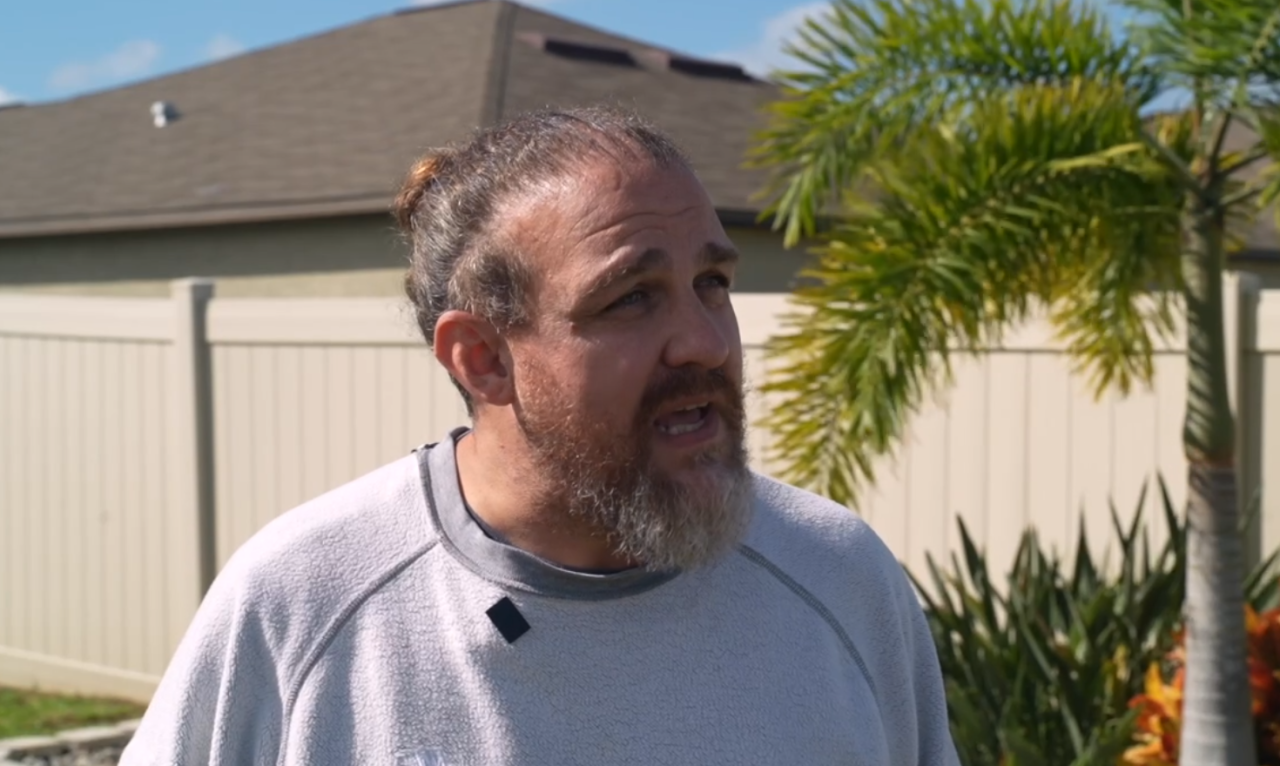
Christopher Delgado said he learned last month that part of his rental home's backyard fence has to go.
"I heard some commotion outside. Guy came knocking on the door and said, 'Hey, we're here to take your fence down,'" Delgado said.
Delgado denied the crew access to the yard, as did his next-door neighbor, disabled veteran Laura Burns-Sierra.
"I didn't let them onto my property. I called the cops and they don't have a court order," Burns-Sierra said.
But neighbors in the Sun City Center community have been told the fences will have to come down later this month.
A shrinking backyard
For Victor Abreu, the dispute has already changed the size of the backyard area behind his fence.
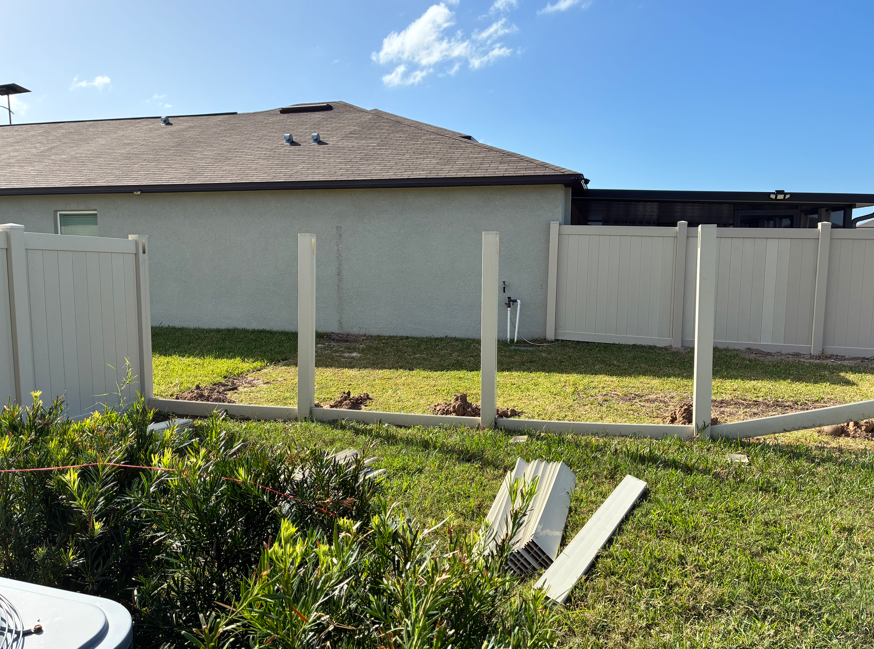
"They made us put a fence right in the corner of the house. So we lost like 15.5 feet of the property. We already did our fence, you know, we had no choice," Abreu said.
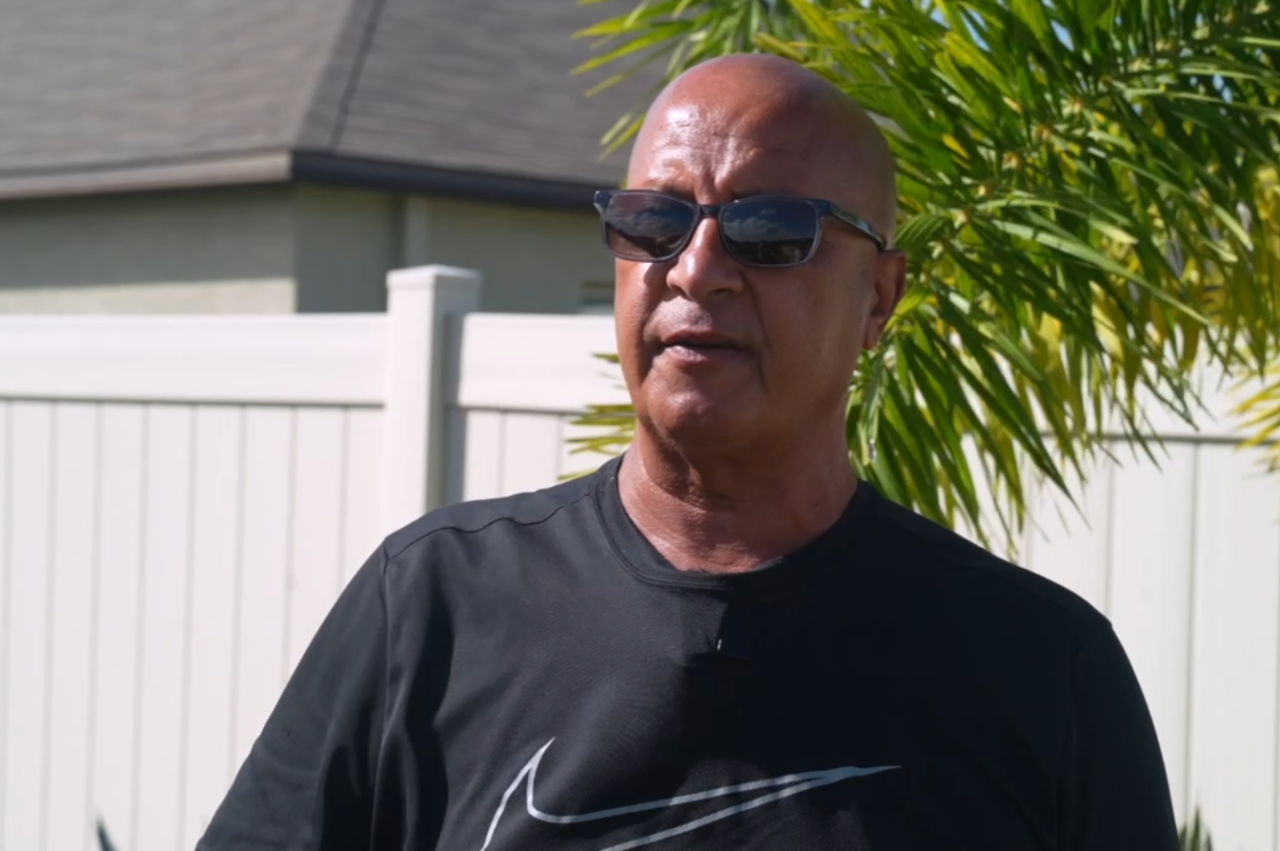
Abreu said he paid a contractor $1,000 to move the fence, losing plants and bushes and affecting his irrigation system.
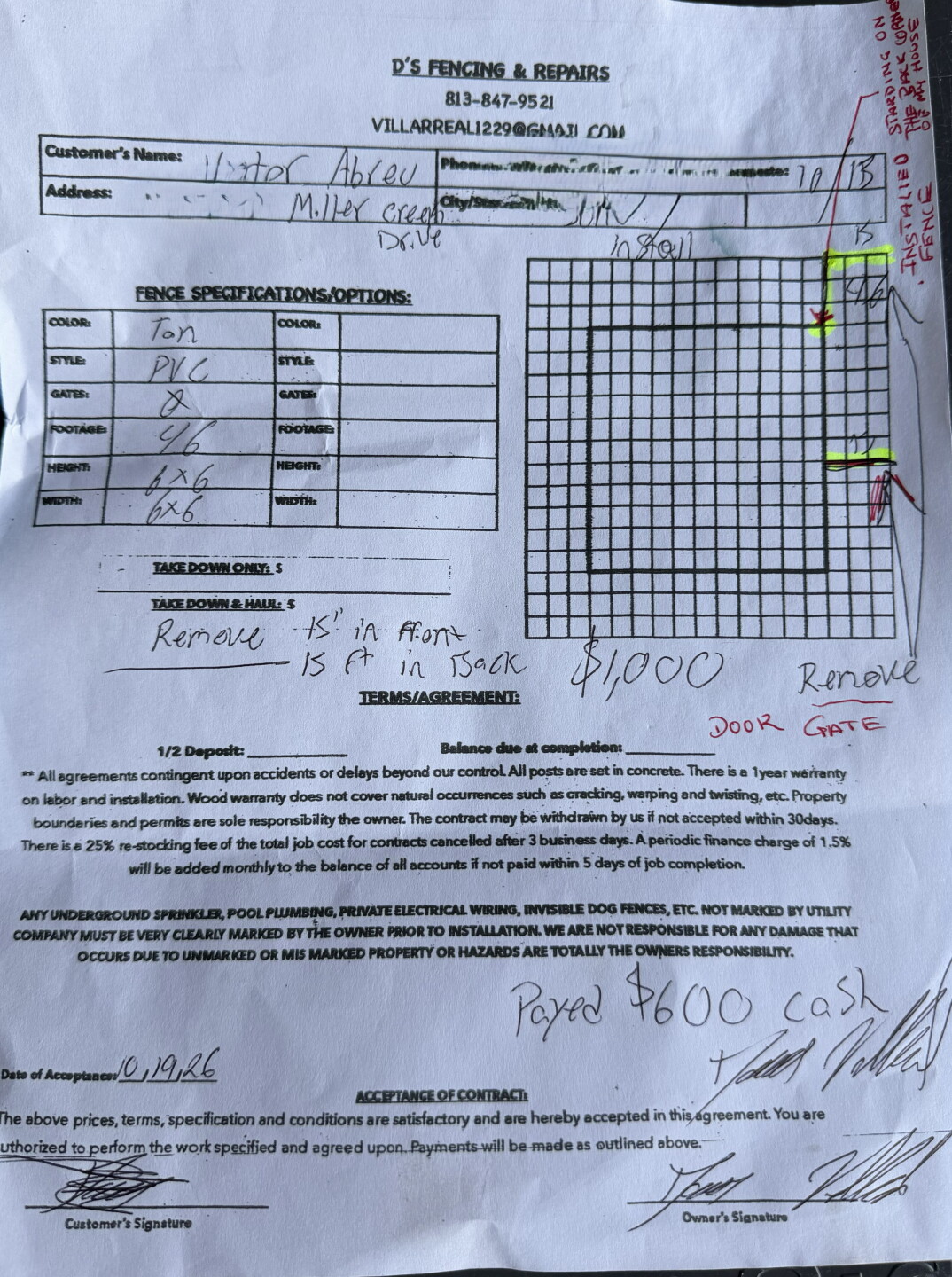
Otherwise, he would have to pay the CDD.
"I think it was $625 to bring down the fence," Abreu said.
Other neighbors have also complied with the demand, while Burns-Sierra and others hold out hope the CDD may find another way to access the pond.
"It should have been mentioned to us"
Abreu said the most frustrating part is that he did what he thought he was supposed to do: ask for permission to install fences from the HOA.
When asked if he knew about CDDs, Abreu said he did not know about the regulations.
"Well, we knew that they were there, but as far as the regulations that they said that we should have known about, nobody knew about that. It should have been mentioned to us," Abreu said.
Burns-Sierra said the HOA approved her fence in 2021.
She said she had no reason to believe there would be an issue.
Burns-Sierra said the HOA never told her the CDD could come in and make her take it down.
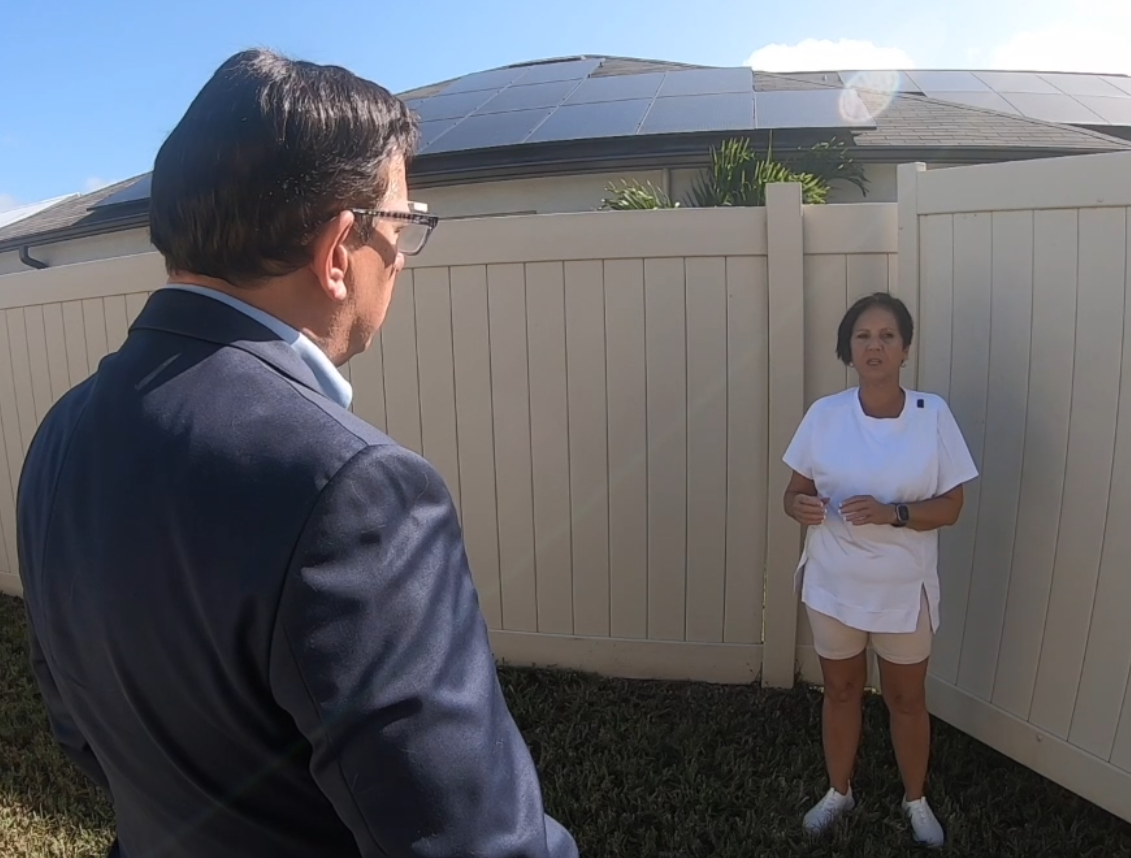
"At the CDD meeting they said that the HOA had no authority to approve those fences," Burns-Sierra said.
Burns-Sierra said her fence was a significant investment.
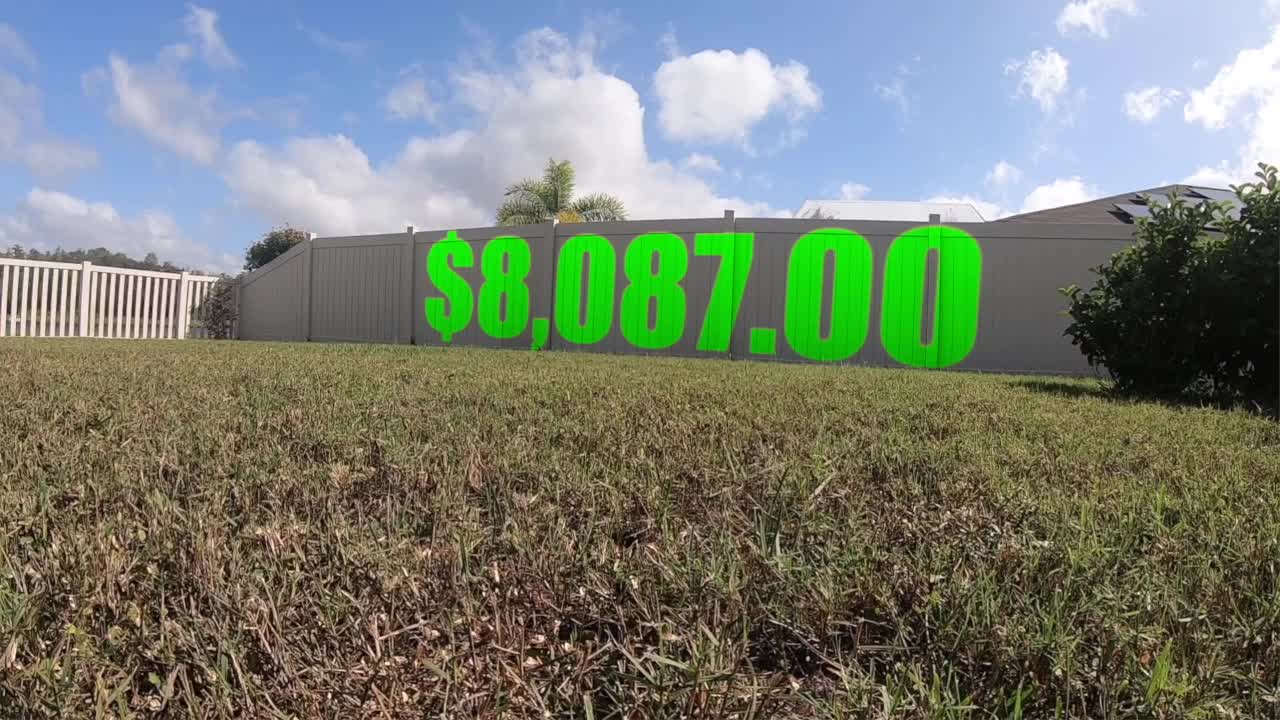
She said the fence cost nearly $8,000, which she paid off over two years after charging it to her Home Depot credit card.
Two separate entities
There is another layer homeowners here say they didn't completely understand. Their HOA isn't the only organization with authority in the neighborhood.
Attorney Jonathan Ellis represents homeowners' associations but has no involvement in this dispute.
"A CDD is actually, believe it or not, a governmental entity. They have elections," Ellis said.
CDDs can enforce policies for district-owned common areas, including clubhouses, parking lots, roads and, in this case, easements.
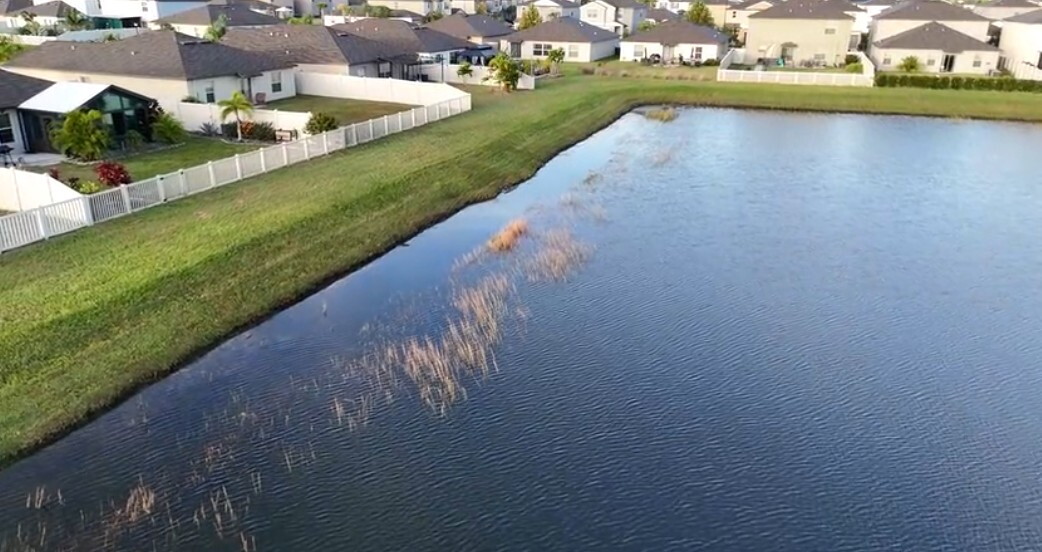
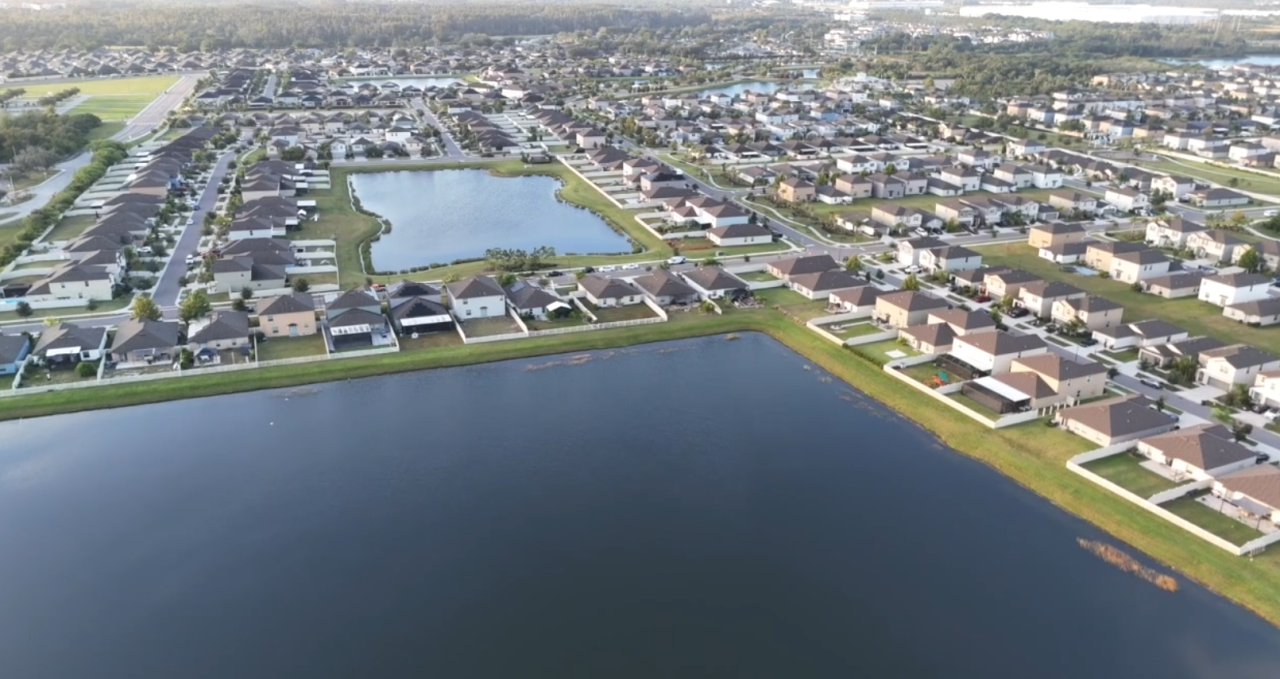
At Cypress Mill, adjoining 15-foot drainage easements on each affected lot run along the property, from the road to the pond.
HOAs create and enforce rules involving private property. In this case, they approved fences based on guidelines for materials, size and color.
"If you want to put a fence on a drainage easement, the association may not be objecting to you doing that, but that doesn't mean the CDD is not objecting or is consenting," Ellis said.
The letters and the question of "why now?"
Letters sent to homeowners say the fence "prevents the district's pond maintenance vendor from accessing the adjacent stormwater pond for necessary maintenance."
"It has come to the district's attention that the easement area is presently being obstructed by a fence on your property," Burns-Sierra said, reading from her letter.
"They hired a new maintenance team, and this maintenance team wants to haul a truck through here with a boat to drop it in the ponds to clean them," Burns-Sierra said.
But neighbors are asking, "Why now?"
Abreu provided photos showing a previous contractor maintaining the pond by boat, accessing it from elsewhere.
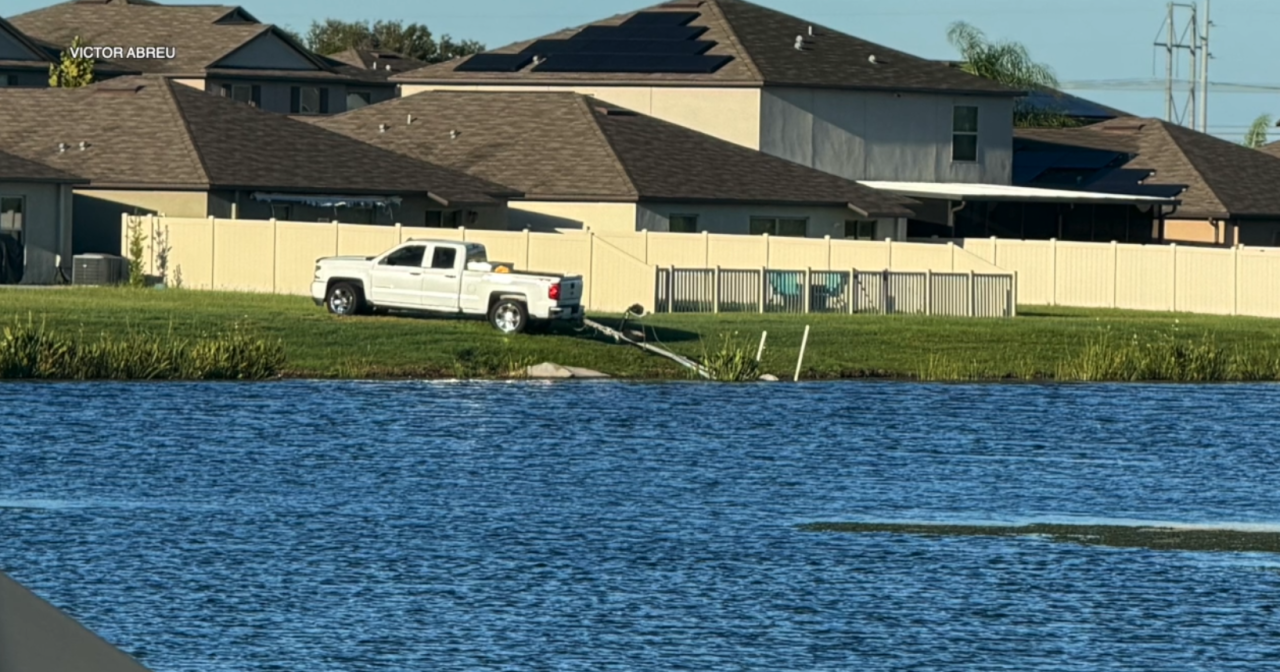
Ellis said the passage of time can matter as well, when it comes to asserting claims.
"There certainly can be arguments along those lines, meaning was the fence open and notorious? Did the CDD know about it? Did the unit owner rely on the fact that the CDD hasn't done anything in a period of time? But at the same point, the CDD may only be asserting its rights when it needs to," Ellis said.
What homeowners need to know
That leaves homeowners caught between the approval they received from the HOA and the easement rights now being asserted by the CDD.
For people who live in communities governed by both an HOA and a CDD, Ellis said that's an important distinction.
"An average unit owner may not even recognize these are two different, separate, and distinct entities," Ellis said.
Before putting a fence, pool, or other improvement near an easement, homeowners may need to determine not only whether their HOA approves it, but whether another entity has rights over that portion of the property.
For Burns-Sierra, that lesson comes years too late.
"They're acting like the big boss in town, and everybody's upset, but what can we do?" Burns-Sierra said.
When asked what she would tell CDD board members, Burns-Sierra said, "I would tell them to respect our wishes, not to make decisions without talking about how it's gonna affect us as a community."
The full statement from the Cypress Mill Community Development District
The Cypress Mill Community Development District declined an interview request but sent the following full statement:
Thank you for reaching out. The Cypress Mill Community Development District (“District”)
appreciates the opportunity to clarify its responsibilities and the circumstances surrounding the District’s request for removal/relocation of fences located within the District’s drainage easements. The District recognizes that relocating a fence can impose a significant expense on a homeowner and understands that some residents may have obtained approval from the community’s homeowners’ association (“HOA”) before installing their fences. The District has taken these concerns into consideration. However, the District must prioritize its legal obligations to operate and maintain the community’s stormwater management system, including ensuring lawful access to its stormwater ponds and related facilities.
The District is a special-purpose unit of local government responsible for the operation and maintenance of the District’s stormwater management system, including the stormwater ponds serving the community. These responsibilities include maintaining the ponds and surrounding areas, including mowing and landscaping, conducting inspections, making necessary repairs, and responding to resident concerns. To fulfill these responsibilities, the District must be able to access and maintain its stormwater facilities in accordance with applicable requirements.
This matter came to the District’s attention when its current vendor identified that fences obstructed the designated drainage easements, leaving one of the District’s stormwater ponds without a legally established access route. Although the previous vendor had accessed the pond by an alternative route, that route was not within a designated easement, raising concerns regarding potential liability and the safety of the vendor’s personnel.
To address these concerns, the District determined that it was necessary to address all encroachments within its drainage easements throughout the community. The District is taking a consistent approach to preserve its legal access rights, promote safe access for its vendors, and ensure that its facilities remain accessible, while respecting property owners’ rights outside the designated easement areas.
The drainage easements at issue were established as part of the community’s development and are reflected in the recorded plats for the applicable phases of the community. These easements provide the District with the rights necessary to access and maintain its stormwater infrastructure. The recorded easement provisions expressly prohibit permanent improvements within the easement areas, including fences.
Property owners are responsible for determining the location of easements affecting their properties before installing improvements, including fences. In this instance, the property survey provided by Ms. Burns depicts the District’s drainage easement and includes a surveyor’s note, specifically identifying the fence’s encroachment into the easement area.
We understand that some homeowners may have obtained approval from the community’s homeowners’ association in good faith before installing their fences. However, the HOA and the District are separate entities with distinct responsibilities and authority. HOA approval does not authorize an encroachment upon the District’s easement, nor does the HOA have the authority to waive the District’s easement rights.
The District also recognizes that relocating a fence may create an inconvenience and expense for an affected homeowner. Accordingly, the District has provided extensions to homeowners who have requested additional time to address the issue.
The District is working with affected homeowners to allow additional time for compliance rather than requiring immediate removal in every instance. The District is not planning to remove the fences before the applicable extensions expire. Any further action will be addressed in accordance with the circumstances applicable to the affected properties and the District’s easement rights.
Homeowners with questions about the easement affecting their property, their compliance deadline, or a request for additional time are encouraged to contact the District directly.
