

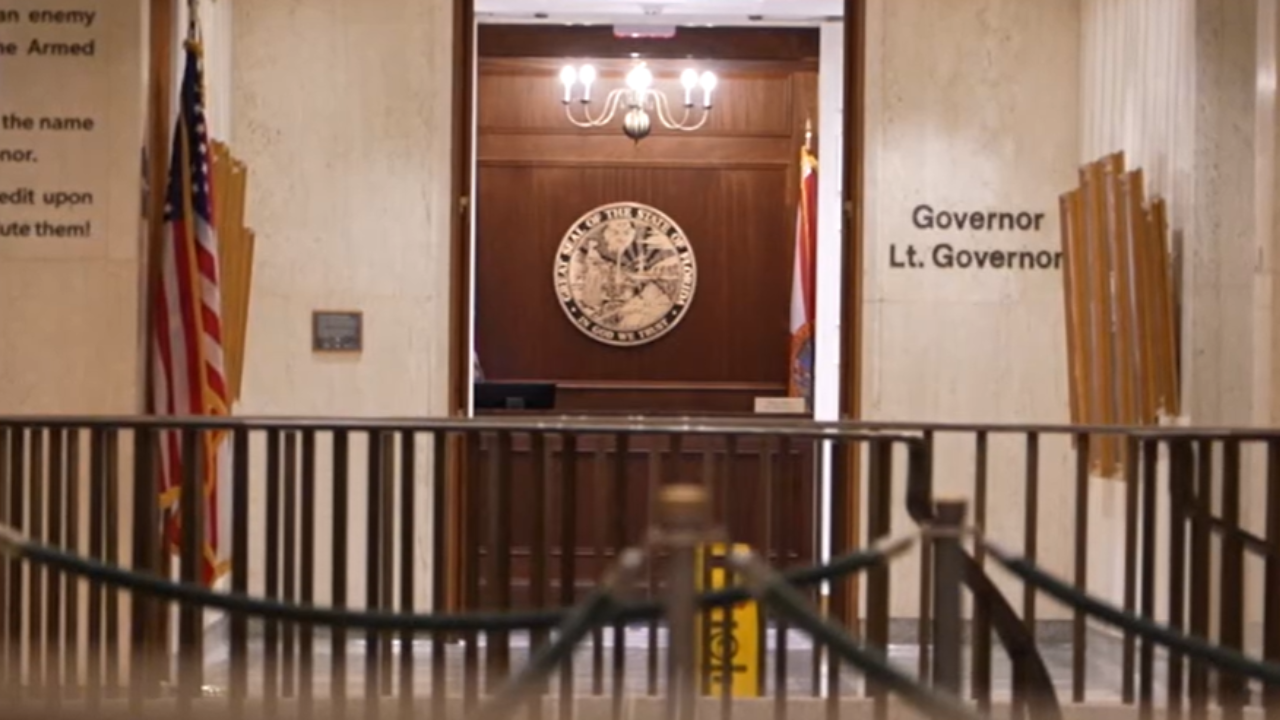


TALLAHASSEE, Fla. — Florida’s emergency response fund is just hours from expiring, leaving lawmakers scrambling to agree on whether and how to revive one of the governor’s most powerful financial tools.
Since 2022, more than $4.7 billion has flowed through the Emergency Preparedness and Response Fund, which governors can tap quickly during declared emergencies such as hurricanes. But the fund has come under increasing scrutiny after a state report found Gov. Ron DeSantis (R-FL) used more than $573 million of it for immigration enforcement, including building migrant detention centers and deploying personnel out of state.
WATCH: Florida House advances restrictions on emergency fund as Senate pushes larger, looser version
Critics, including Democrats, argue the spending shows the fund has drifted far beyond its original purpose. House Minority Leader Rep. Fentrice Driskell (D-Tampa) said lawmakers should have imposed limits sooner.
“The fact that we're here now four years later, putting guardrails in lets you know that we got it wrong,” she said.
A Florida House subcommittee moved Monday to revive the fund through 2030, but with tighter restrictions. The proposal would limit spending to natural disasters, ban large purchases like vehicles, require quarterly spending reports sworn under oath and redirect federal reimbursements back into the state’s main budget.
Rep. Philip Griffitts (R-Panama City Beach), a Republican sponsoring the House plan, said the changes are aimed at improving oversight, not weakening emergency response.
“We're just putting some guardrails on the fund to assure some accountability and transparency,” he said. “That's what we ask our people to do at the local level, we ought to do it here at the state level.”
Still, the proposal has drawn sharp criticism from DeSantis allies. Attorney General James Uthmeier called the House plan “moronic,” while the governor’s communications director accused House Republicans of trying to defund migrant detention operations.
Democrats, meanwhile, say the changes are necessary after years of what they view as unchecked spending.
“Oh, yes, that's what I call it. It's totally a slush fund for this governor,” Driskell said when asked whether the fund had been misused.
Fellow Democrat Rep. Dan Daley (D-Coral Springs) also supports the measure, but questioned its need if accountability is the goal.
“I’m going to support it today,” he said. “But I question whether the trust fund, in and of itself, is necessary, given the other procedures that have worked for Florida for years and years and years, and haven't been abused, and it's not nearly as easy to abuse.”
The Senate has taken a different approach, voting to preserve the fund largely as is and proposing to replenish it with $250 million, far more than the $100 million included in the House plan. Supporters say maintaining quick access to emergency funds is critical.
“If this trust fund expires, should something occur Tuesday morning at 12:01, the governor has no authority to respond in an emergency,” said Sen. Ed Hooper (R-Palm Harbor) last week.
If the fund expires, the governor would still be able to respond to emergencies but would need lawmakers to approve spending through the legislative process, something Florida did for years before the trust fund was created.
Now, the House and Senate must reconcile their competing visions and pass identical legislation before sending it to the governor, who has signaled he prefers fewer restrictions and more funding. Until then, the fate of the emergency fund and how Florida prepares financially for its next disaster remains uncertain.
Share Your Story with Forrest
Capitol Reporter Forrest Saunders is dedicated to sharing your voice with political leaders throughout the state. He works to hold our elected leaders accountable and amplify your concerns. Let Forrest know about the issues you want state leaders to focus on.
.

Bradenton community responds after 20-year-old volleyball star dies from disease that affects 2 in a million
The 20-year-old IMG Academy volleyball star and Under Armour All-American died Sept. 16 after a three-month battle with the rare blood disorder — even though doctors had found her a 100% bone marrow match, her mother, Tanya Mack tells Tampa Bay 28 reporter Haley Zarcone.
