



TAMPA, Fla. — Screens are everywhere: phones, tablets, laptops and televisions. And if you're a parent, raising kids in this highly digital world can be a challenge, especially as you work to protect their mental health.
According to the American Psychological Association, spending too much time on screens may cause emotional and behavioral problems in kids like anxiety, depression, agression and hyperactivity. They also were more likely to turn to screens as a coping mechanism. Read the full journal article here.
WATCH: Growing up online: How parents and kids are navigating social media and mental health
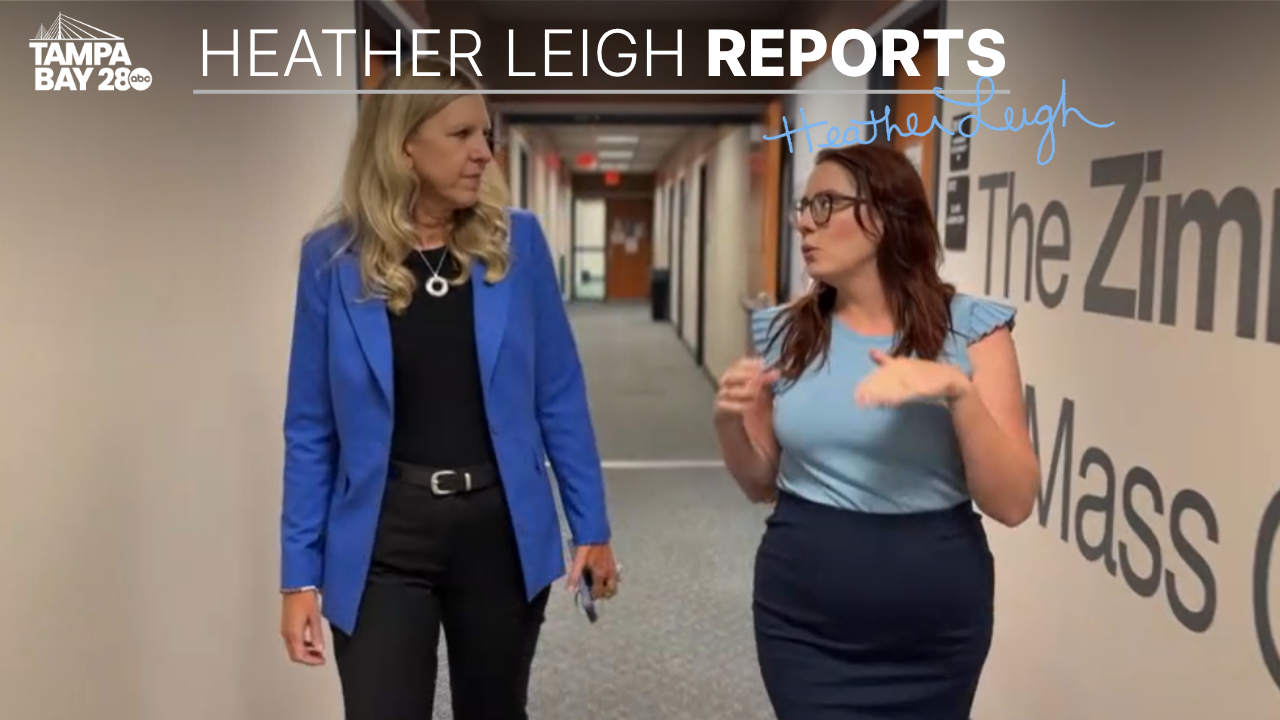
Kids in 2026 really are growing up online. They have no choice — it's where technology has led them. For parents, “The big question is when do I give my child a phone and when do I let them be on social media?” said Kelli Burns, an associate professor at the Zimmerman School of Advertising and Mass Communications at the University of South Florida.
If only we knew the answer. We’re all just making our best educated guess!
"71 days!" said Cameron Cadona about his younger brother Mason getting his first phone.
"Well, he's in 5th grade, and his brothers got theirs in 5th grade," said Jessie Cardona, Cameron's mom.
It’s a big moment you don’t forget. Just ask Cameron — he remembers it well.
“It was an iPhone 13 mini," he said.
Cameron Cardona jumped right in. He downloaded games, began to text friends and soon he was on YouTube. Jessie already had screen time limits on the iPad, "Remember that? The good ol’ days?" she said, looking at Cameron and laughing.
Time limits for apps and social media came next. Surprisingly, Cameron's been OK with that.
“I only have an hour on some video games I really like and then an hour on YouTube, but it still works out because I’m able to watch it and then not be glued to my phone the whole day," he said.
Burns said parents are trying all kinds of ways to ease their kids into smartphones.
"There’s definitely a trend toward giving children dumb phones at least so they have a way to contact their parents before you actually give them a smartphone," she said.
A gradual introduction over time is better than an abrupt one at 18, according to Burns, “Your kids can always outsmart you.”
Which is why she said it’s best for them to get to know social media and their phone with your help.
“There’s so many studies out there that link social media to mental health issues, and they’re not all, they’re not completely conclusive, but at the same time, there are no studies coming out saying social media is great for you, it’s great for your mental health," said Burns.
And with algorithms getting smarter and faster, content is being tailored to you in the moment — videos that could make you question your way of life and your self-esteem, content that promotes disordered eating, challenges that are physically harmful, or being exposed to strangers and predators.
“It’s really harmful for young people who are developing their sense of self, they’re trying to figure out who they are in this world," Burns said. "They’re trying to navigate friendships, in high school and in college, in college admissions and sports and it can be really challenging for them.”
Burns said like Jessie, parents should set rules and adjust them as kids get older.
Set up parental controls on social media, but be aware they aren't perfect. She said parents should actually use the social media apps their kids are on so they're familiar with them, and have conversations with their kids about the latest trends and what they’re seeing.
“Are you talking to anybody that you don’t know? Do you ever accept friend requests from people you don’t know?" she said. "Definitely ask your child those questions. You have to prepare them for the risks of using social media.”
“This happened to my friend. They were getting a FaceTime from a stranger, and they were like, 'hey do you know who this is? ' And I’m like, 'no,' do you have a limitation [that] if you don’t know the number, you have to ask your guardian to approve it? And she’s like, wait, no, that’s smart. I should do that," Cameron said.
Leave your cell phones in another room to charge overnight so sleep isn’t disrupted. Cameron and his brothers already do this.
Jessie tells us that above all, she does her best to be patient and understanding. She thinks it builds trust over time.
“She’s like perfect," Cameron said about his mom. “Stop," Jessie said, with a smile.
”No, you’re like the best," Cameron said. “It’s true!”
“That’s sweet, no, but thank you. I do try.”
It proves that if you show up and parent with love, that's really all it takes.
If you are looking for ways to set rules around social media and screen time use, you may find these resources useful!
Stanford Medicine has tips on setting good viewing habits.
Johns Hopkins Medicine posted an article about the side effects of screen time.
Share Your Story with Heather

Heather Leigh was born and raised in Tampa Bay. She’s invested in telling stories from Seminole Heights and Ybor City and helping you find affordable childcare. Send Heather a message with any ideas you’d like to share.
.

Bradenton community responds after 20-year-old volleyball star dies from disease that affects 2 in a million
The 20-year-old IMG Academy volleyball star and Under Armour All-American died Sept. 16 after a three-month battle with the rare blood disorder — even though doctors had found her a 100% bone marrow match, her mother, Tanya Mack tells Tampa Bay 28 reporter Haley Zarcone.
