

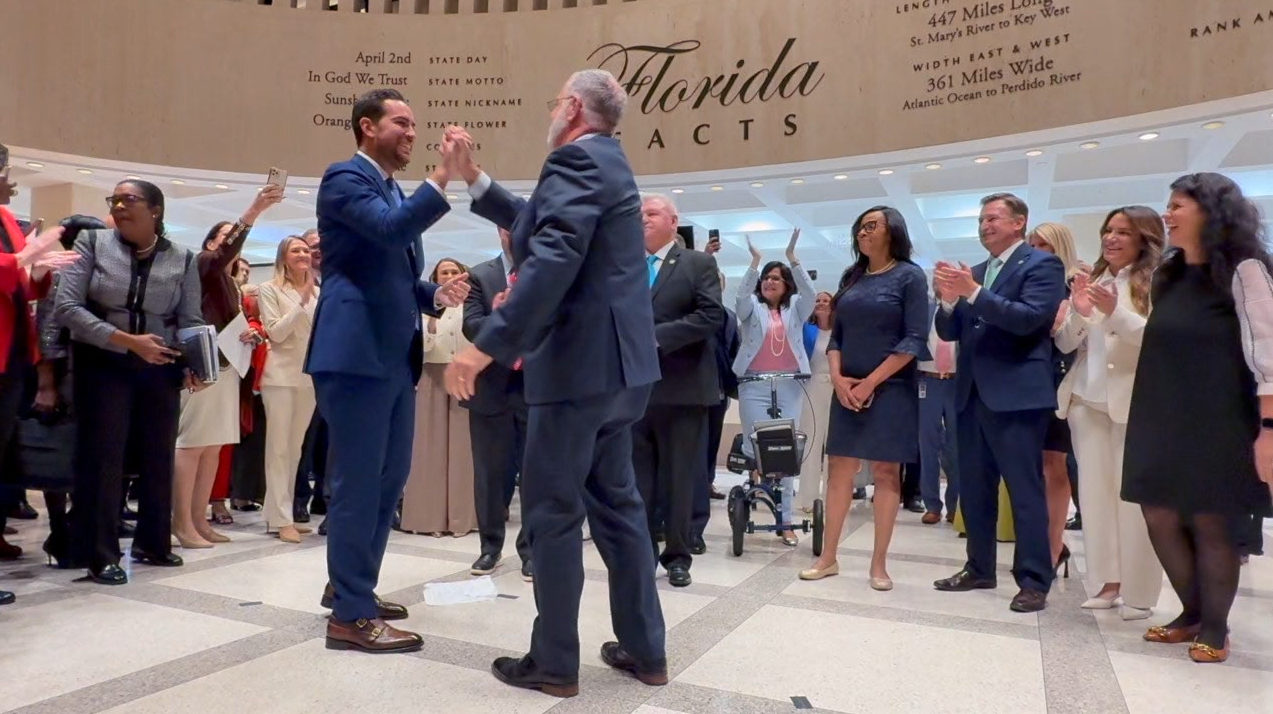


TALLAHASSEE, Fla. — Florida lawmakers head into the 2026 legislative session facing a packed agenda and political divisions. That’s after last year’s Republican supermajority barely avoided the state’s first government shutdown.
The session opens Tuesday with lingering fallout from a budget fight that dragged past the scheduled end of session, exposed fractures within GOP leadership, and set the stage for fresh clashes between the House, Senate, and Gov. Ron DeSantis.
Watch full report from Forrest Saunders
“It’s been obvious, you know, there's a rub between the Governor and the Speaker, for sure,” Senate President Ben Albritton said in a recent interview with reporters.
While lawmakers ultimately reached a budget deal with days to spare in 2025, leaders across the Capitol say the same tensions remain. Tensions that could intensify as House Republicans push aggressively to resolve two major priorities within the next 60 days: new congressional redistricting maps and sweeping property tax changes.
House members argue the timeline is justified. Rep. Toby Overdorf (R-Stuart) chairs the House Select Committee on Property Taxes and vows to have at least one or two property tax proposals ready for the 2026 ballot.
“We're taking our job very seriously, and as a result, we are prepared to get our job done during the session when it should be done,” said Rep. Toby Overdorf, R-Stuart.
But DeSantis has signaled both redistricting and property tax reform may need to be handled in separate special sessions later in the year, rather than during the regular 60-day session. This week, he called an April session for redistricting and suggested the same might be wise for property taxes.
Albritton has echoed that view, setting up a potential power struggle over how and when the Legislature should act. Democrats warn the infighting could derail progress on other issues.
“Unfortunately, what I expect to come out of this legislative session is more of the same. It's going to be a wasted opportunity,” said Rep. Angie Nixon (D-Jacksonville).
Republicans counter that legislative friction can still produce results.
“I think we have to not get so caught up in the process, and look more at where do we end up at the end of the day?” said Rep. Taylor Michael Yarkosky (R-Clermont). “Look immigration. Perfect example. Yeah, we had a battle, right? But you know what? We got it right at the end of the day.”
Immigration policy is again poised to be a flashpoint. Lawmakers are reviving a proposal to require universal E-Verify, which would mandate employment eligibility checks for all workers — not just employees at businesses with 25 or more, as current law requires.
Gun policy is also back on the agenda. House Republicans are once again pushing to lower the minimum age to purchase long guns from 21 to 18, rolling back a restriction enacted after the 2018 Parkland school shooting. It’s a proposal that has repeatedly stalled in the Senate.
Meanwhile, Democrats are pitching a slate of affordability measures, citing rising costs for food, housing, and insurance— even as they acknowledge they lack the votes to pass them.
“Just go to the grocery store and try not to faint from the sticker shock,” said Senate Minority Leader Lori Berman.
Their proposals include creating an interstate insurance risk pool to lower property insurance costs, expanding housing affordability programs, and strengthening oversight of state spending.
“What we're talking about is actual savings— money in your pocket, a reduction of your insurance, the ability to buy a house,” said Rep. Kelly Skidmore (D-Delray Beach).
Republican leaders are also advancing competing policy packages. House Speaker Danny Perez is backing a major healthcare bill aimed at lowering costs, expanding who can provide care, and tightening eligibility standards. Senate President Albritton wants to prioritize a “rural renaissance” plan focused on infrastructure, healthcare access, and agricultural development in less populated areas.
One area of bipartisan agreement may be artificial intelligence. Lawmakers from both parties have expressed interest in regulating AI use, particularly limiting access for children. Though disagreements remain over whether those guardrails should be set at the state or federal level. It’s a question that has pitted DeSantis against President Donald Trump.
In all, more than 1,600 bills have been filed ahead of the session. Lawmakers will begin narrowing that list when the gavel drops Tuesday, following DeSantis’ final State of the State address at 11 a.m.
Share Your Story with Forrest
Capitol Reporter Forrest Saunders is dedicated to sharing your voice with political leaders throughout the state. He works to hold our elected leaders accountable and amplify your concerns. Let Forrest know about the issues you want state leaders to focus on by emailing him.
.

'Left in the dark': Families say they weren't notified during Aviata evacuation
Tampa Bay 28 heard from multiple families with similar questions and concerns about the lack of communication.
