



LAKELAND, Fla. — For some Lakeland families, losing their homes is a very real possibility, but a new partnership between the city and Habitat for Humanity offers hope.
At 65 years old, Walter Jones knows how quickly housing can slip away.
WATCH: Lakeland Habitat Legacy Program aims to stop homelessness before it starts
“We stayed in a motel. I was in a motel for about five or six months. Living in a motel and my car,” said Jones.
He said in 2023, his luck finally changed. “I was blessed with a house by habitat. Blessed with a house to live,” Jones said.
Stories like Jones’ are driving a new initiative in Lakeland, aimed at stopping homelessness before it starts. A vacant lot at 710 N. Ohio Ave. will become a temporary home for people on the verge of losing theirs.
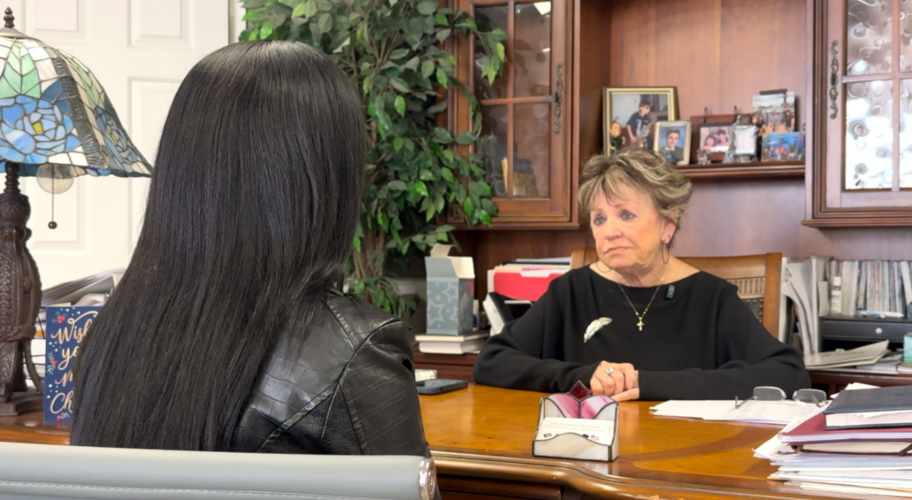
“People have been living in homes for generations and they are lower income, usually older and they can’t afford to fix their house. The code violations are so bad that the city has no choice but to come in and tear down the house,” said Claire Twomey, CEO of Lakeland Habitat for Humanity.
The City of Lakeland has donated the property to Lakeland Habitat for Humanity, allowing the nonprofit to launch its new Legacy Program.
Habitat also owns the neighboring lot at 701 W. Myrtle St. Together, the parcels will allow for the construction of a one-bedroom cottage that will serve as transitional housing, allowing homeowners to move out temporarily while their unsafe houses are rebuilt on their original property.
“In their same neighborhood with all their friends, and we would have life tenancy to live in their house. And instead of their legacy being that they became homeless in their later years, their legacy would be that they provided a home for another person,” said Twomey.
The transitional cottage will be funded through a grant from Publix Charities. Construction is expected to begin soon, with completion targeted for early summer.
Share Your Story with Rebecca

Rebecca Petit is dedicated to telling your stories from every corner of Polk County. She knows how growth has been a major discussion point for the area, and the impact it’s had on some of our most vulnerable populations. You can connect with Rebecca by using the form below.
.

'My heart breaks': Woman describes helping injured students after deadly school bus crash in Polk County
A woman on her way to work Monday morning found herself helping injured Winter Haven High School students after a school bus crash that killed two people.
