

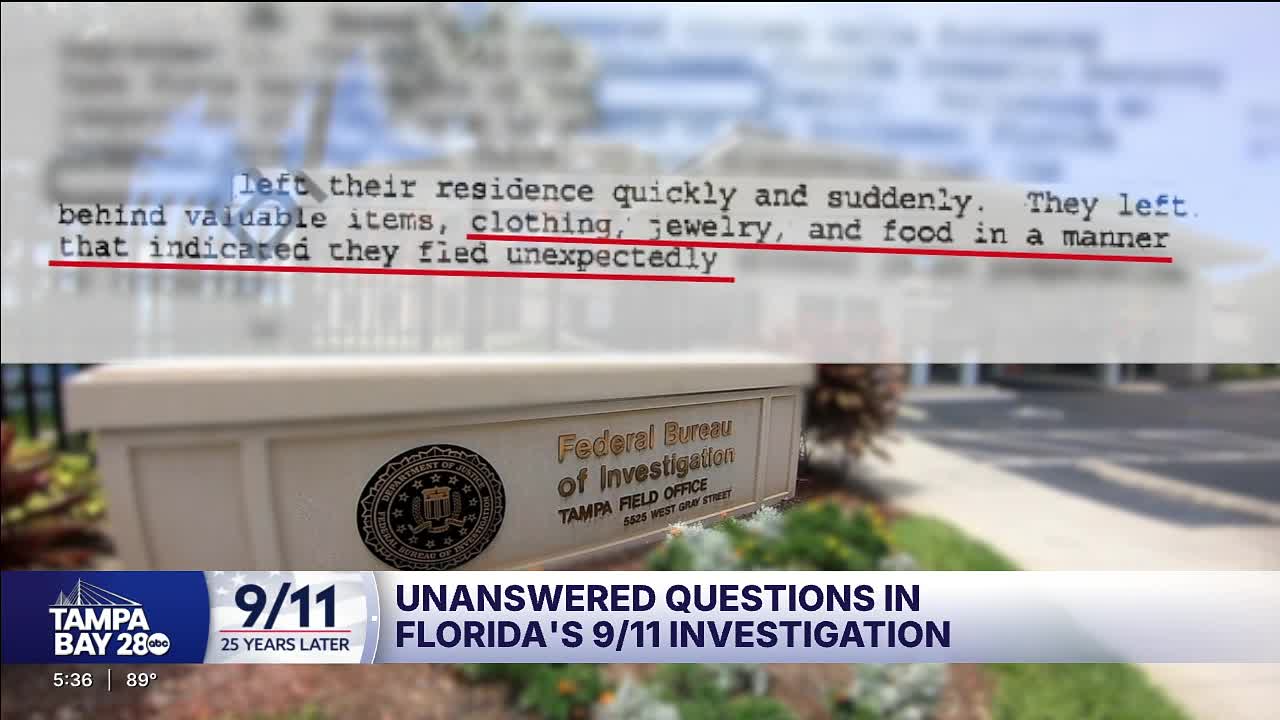


SARASOTA, Fla. — A prominent Saudi family living in an upscale, gated Sarasota neighborhood had documented ties to multiple 9/11 hijackers — including the man believed to have piloted the first plane into the World Trade Center.
Twenty-five years after the attacks, more than 80,000 classified FBI documents related to the investigation remain sealed, and the agency's own records contradict statements it made to the public.
WATCH: 25 year after 9/11, questions remain about Saudi support network
"They could not have done it alone"
The federal government spent millions of dollars investigating the September 11 attacks, interviewing thousands of people and gathering evidence across the globe.
But the late Florida Sen. Bob Graham, who led the Senate Intelligence Committee's investigation into 9/11, said crucial information was never provided to Congress or the public.
Graham, who died in 2024, spoke at a 9/11 commemoration event in 2012, raising questions about how 19 hijackers — most of whom spoke little English and had rarely, if ever, been to the United States — were able to execute one of the most complex terrorist attacks in history.
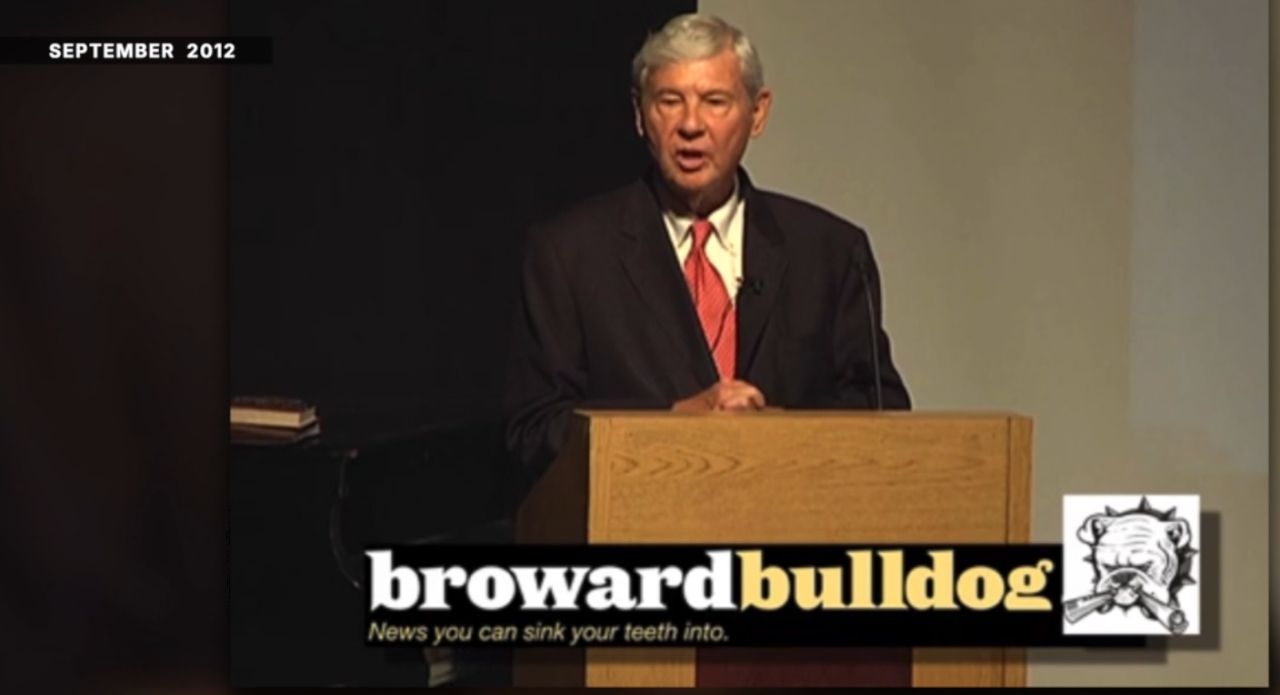
"One of the first things that struck me as we began our hearings was the implausibility that those 19 people could have done what they did alone," Graham said.
Fifteen of the 19 hijackers were from the Kingdom of Saudi Arabia.
"There had to be some external support system that made it possible for those 19 hijackers to be able to do what they actually did," Graham said.
A Saudi family in Sarasota with ties to the hijackers
Investigative journalist Dan Christensen, founder of the Florida Bulldog, uncovered information that a prominent Saudi family living in the Prestancia neighborhood just south of Sarasota had ties to multiple terrorists, including Mohamed Atta, considered one of the leaders of the attacks.
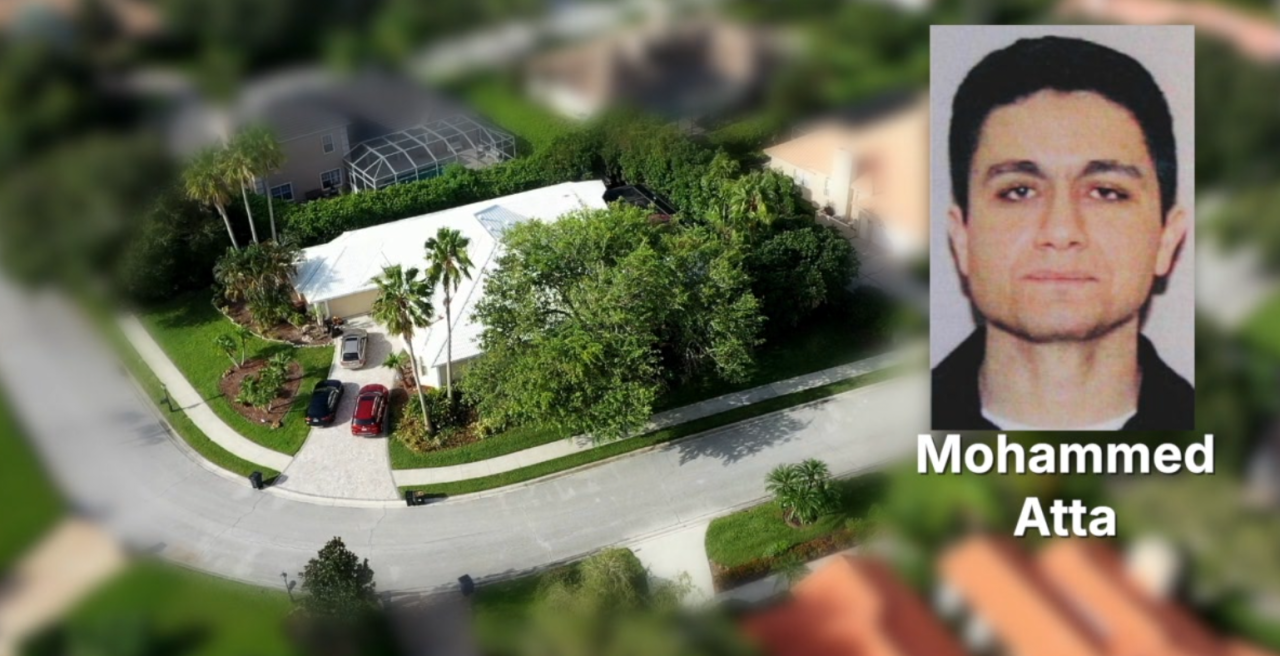
"Mohammed Atta, who was the pilot of the first plane that flew into the North Tower of the World Trade Center, had been there along with several other of the folks that were involved in the hijacking here," Christensen said.
The home was occupied by Abdulaziz al-Hijji, a recent University of South Florida graduate, and his wife Anoud.
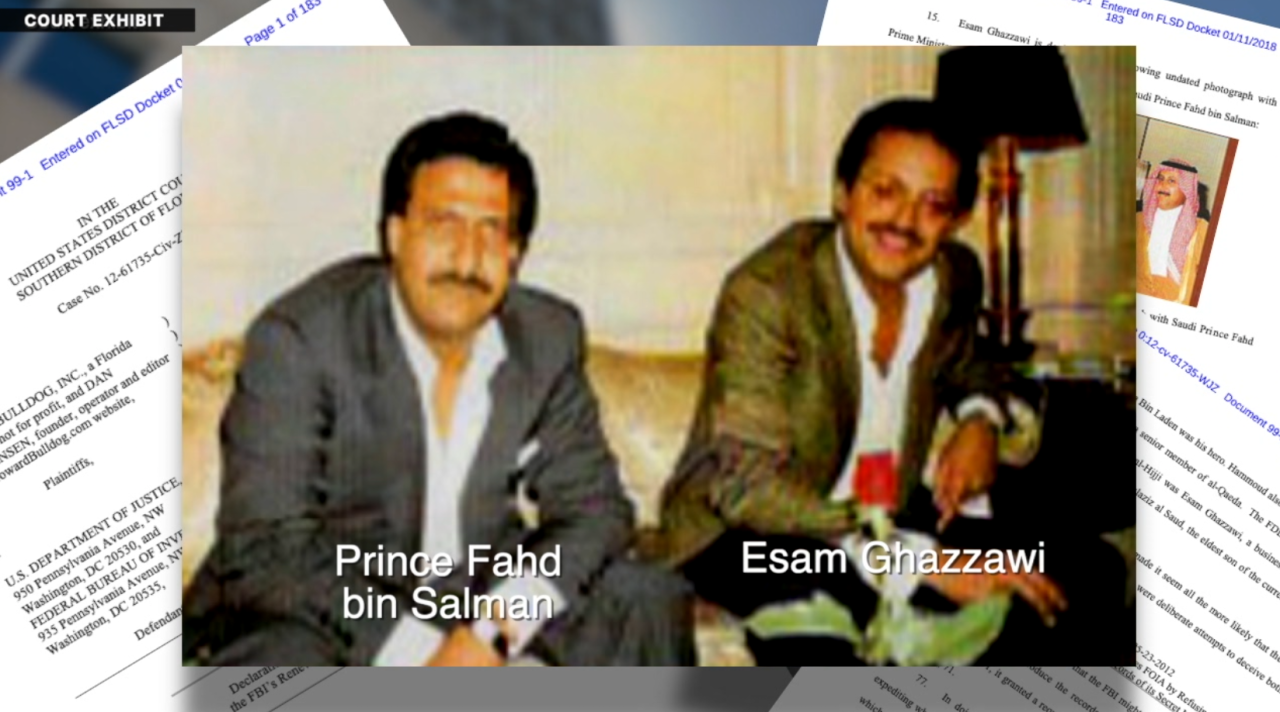
The house was owned by her father, Esam Ghazzawi — a wealthy, politically-connected businessman who had married an American woman and also owned a waterfront mansion in Longboat Key.
Ghazzawi was an advisor to Saudi Prince Fahad, and photos from a lawsuit show him posing with world leaders including President George Bush, British Prime Minister John Major and Pakistani Prime Minister Benazir Bhutto.
Documents obtained by Christensen show that Ghazzawi and al-Hijji were both on the FBI watch list, and that five 9/11 hijackers visited the Prestancia home.
The family fled — and left everything behind
Neighbors reported that the al-Hijji family abandoned their Prestancia home in late August 2001.
"That family,10 days before 9/11, under what was described as hurried circumstances, left Sarasota and went back to Saudi Arabia," Graham said.
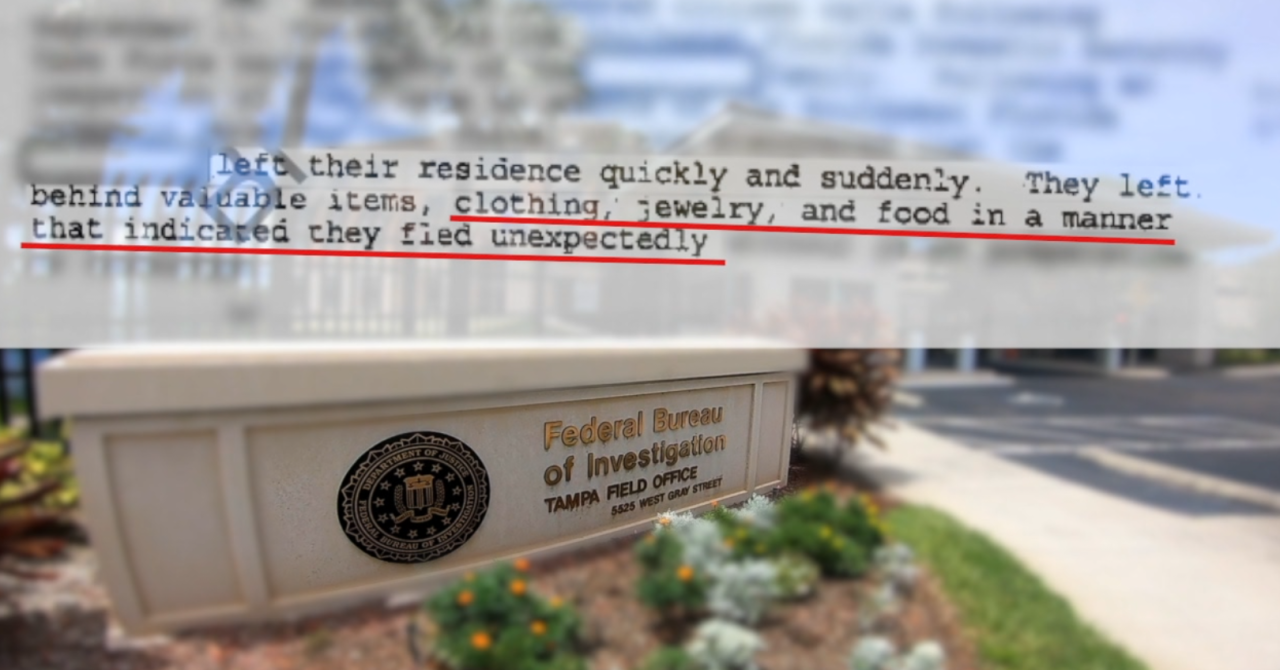
An FBI memo described the family leaving behind clothing, jewelry and food "in a manner that indicated they fled unexpectedly."
The FBI's contradictory statements
When the Sarasota connection first became public, the FBI issued a statement saying it had conducted a complete investigation and found no connections between the hijackers and the Saudi family.
A memo the FBI released years later indicates there were "many connections."
80,000 classified documents — and counting
Christensen has sued the FBI for access to an additional 80,000 classified documents related to the investigation.
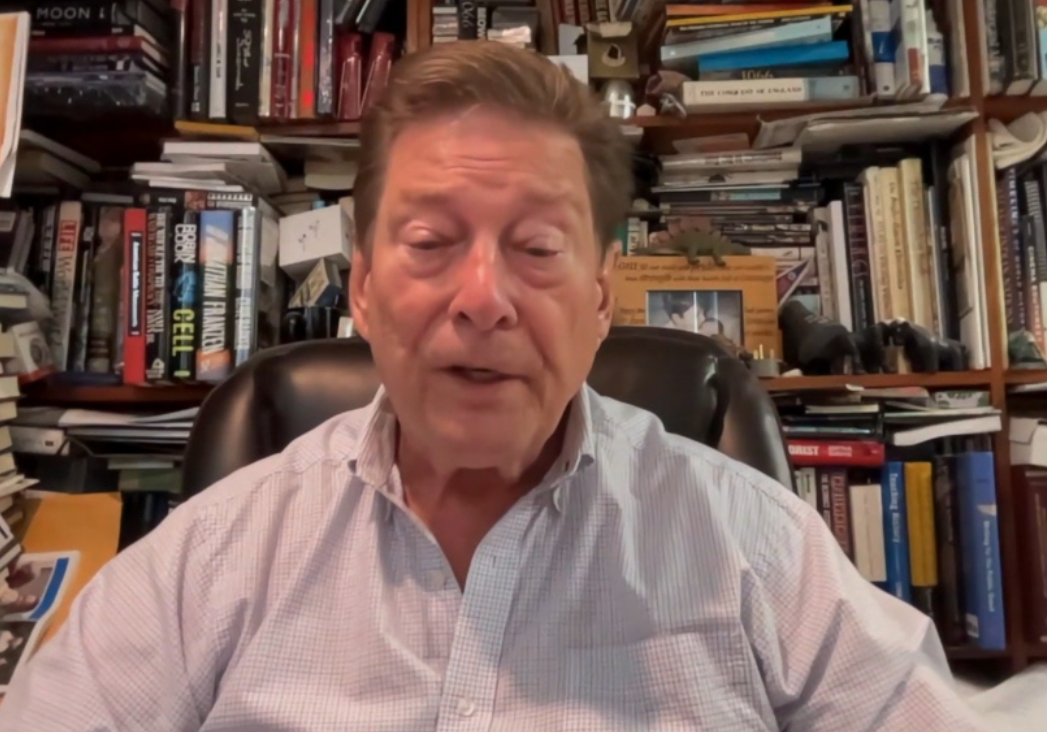
"We know about the 80,000 records because that's what the government said they had in the Tampa office," Christensen said.
Those documents have remained classified under the Bush, Obama, Trump, and Biden administrations.
A federal judge has agreed to keep them sealed.
"The judge down here did not agree to allow us to see them and determined there was nothing in there related to this investigation that we know occurred in Sarasota. So, I'm mystified by that personally," Christensen said.
Christensen said he hopes more answers will emerge by the next major anniversary of the attacks.
"I'd like to know the answers, you know, sometime before I pass away," Christensen said.
Share Your Story with Adam
Adam Walser has spent more than a decade fighting for what’s right in Tampa Bay as part of the I-Team. He’s helped expose flaws in Florida’s eldercare system and held leaders accountable for questionable HOA practices. Reach out to Adam with any issue you think he needs to investigate.
.

Pasco County mom of 5 takes in 3 children left without food or power whose mother faces neglect charges
Jasmine Young, a mother of 5, opened her home to three neglected girls as their mother faces child neglect charges for leaving them without food, power or water.
