



TAMPA, Fla. — Artificial intelligence-generated videos are flooding social media platforms, and experts warn that distinguishing between real and fake content is becoming nearly impossible as the technology evolves at breakneck speed.
On Cyber Monday, as millions purchase the latest technology, creating convincing AI videos has never been more accessible to the general public. The sophistication of these tools means there are fewer telltale signs that viewers are watching computer-generated content.
WATCH full report by Michael Paluska
"Sometimes I think we've already crossed that line," said John Licato, associate professor at the USF Bellini College of AI, Cybersecurity, and Computing, and CEO of Actualization AI, when asked about people scrolling through feeds believing all videos are real.
The technology has improved dramatically in recent months.
"You think about maybe a year ago, it was difficult to find a system that could generate a three-second video, and even then, you could kind of look in the background details and find like, oh, is it missing a finger?" Licato said. "A lot of that is rapidly disappearing now."
The AI systems are learning to fix common indicators that previously revealed fake content. The technology analyzes its own output and improves automatically.
"The state-of-the-art AI generates images and videos. It then learns that, oh, I need to focus more on the fingers, or I need to focus more on the background details. And then the next generation can do that better," Licato said.
Recent examples of AI-generated content include fake videos of babies being saved by dogs, fabricated senior center residents, and "homeless man" pranks that sent police across the country on wild goose chases. Political figures have been depicted in manipulated scenarios, and deceased celebrities have been digitally resurrected.
OpenAI's Sora 2 represents the cutting edge of this technology, creating videos with accompanying audio that appear completely authentic. AI generated everything in the company's promotional trailer.
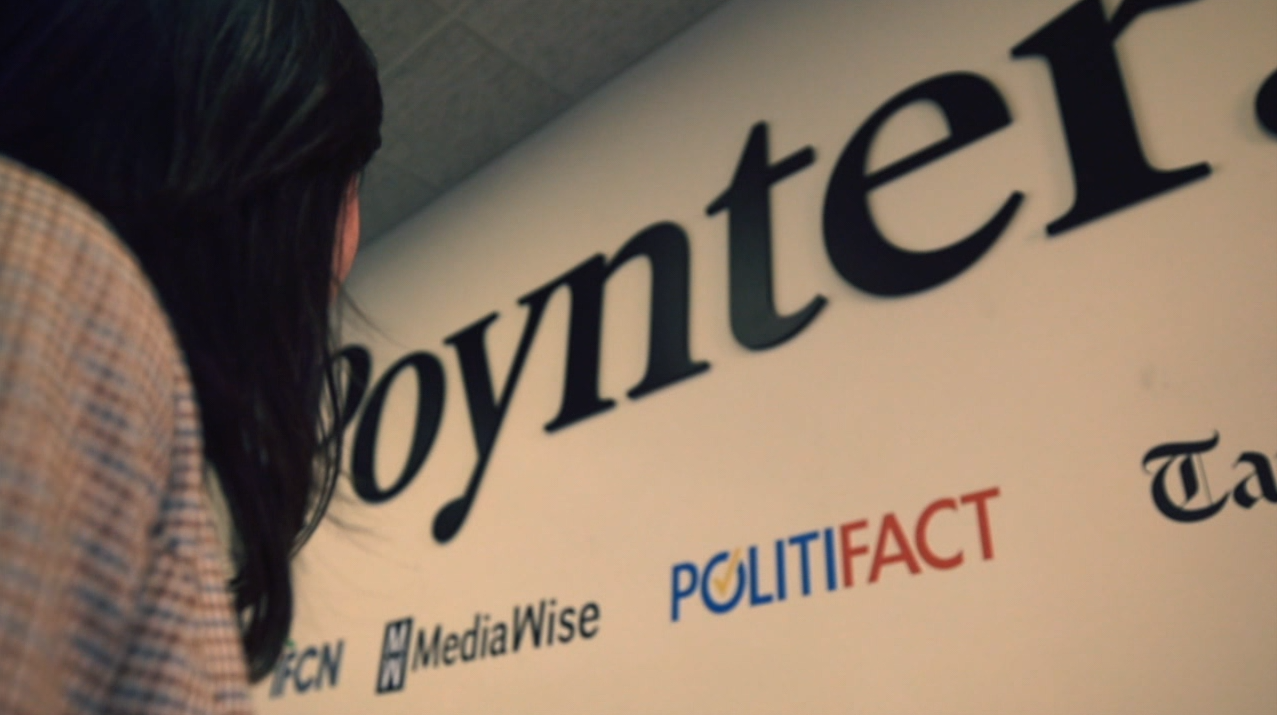
Katie Sanders, editor-in-chief of PolitiFact at the Poynter Institute, offers strategies for identifying fake content despite the advancing technology.
"When you're seeing a video that is evoking an emotional response, you need to look at each corner of the video and see is this human depiction realistic? Are they breathing? Are they changing the intonation of their speech? Are they using their hands in a natural way? Are they blinking? Blinking is a big one," Sanders said.
Sanders recommends investigating the source of suspicious content and checking whether it has appeared online before. She emphasizes the importance of remaining skeptical while consuming social media content.
"It's really hard when you're just scrolling passively on social media to know what's real and what's not. And so we really have to level up our skills and the questions we ask ourselves when we are consuming information," Sanders said.
The proliferation of AI-generated content raises concerns about democratic discourse.
"If more people who could do something about a problem walk away, it leaves plenty of room for bad actors and for bad information to spread. So we need people who want to be civic-minded, who want to see more education and solutions around this era of online manipulation," Sanders said.
Despite the challenges, Licato remains optimistic about finding solutions that balance innovation with safety.
"How do you put the guardrails so that it constrains some of the obviously malicious use cases, but doesn't restrict the technology from being able to do the good that it can possibly do?" Licato said.
This story was reported on-air by Michael Paluska and has been converted to this platform with the assistance of AI. Our editorial team verifies all reporting on all platforms for fairness and accuracy.
Share Your Story with Michael

A lot goes into the price of paradise and Michael Paluska focuses on every aspect. From the job market and housing to how Florida’s growth impacts our state’s wildlife. Send Michael tips to keep these important conversations going.
.

Is the beach public or private property? Hotel owner goes head-to-head with City of St. Pete Beach in lawsuit
The battle over a beach is now headed to federal court. St. Pete Beach is going head-to-head with a local hotel owner over the issue of who owns the sand.
