

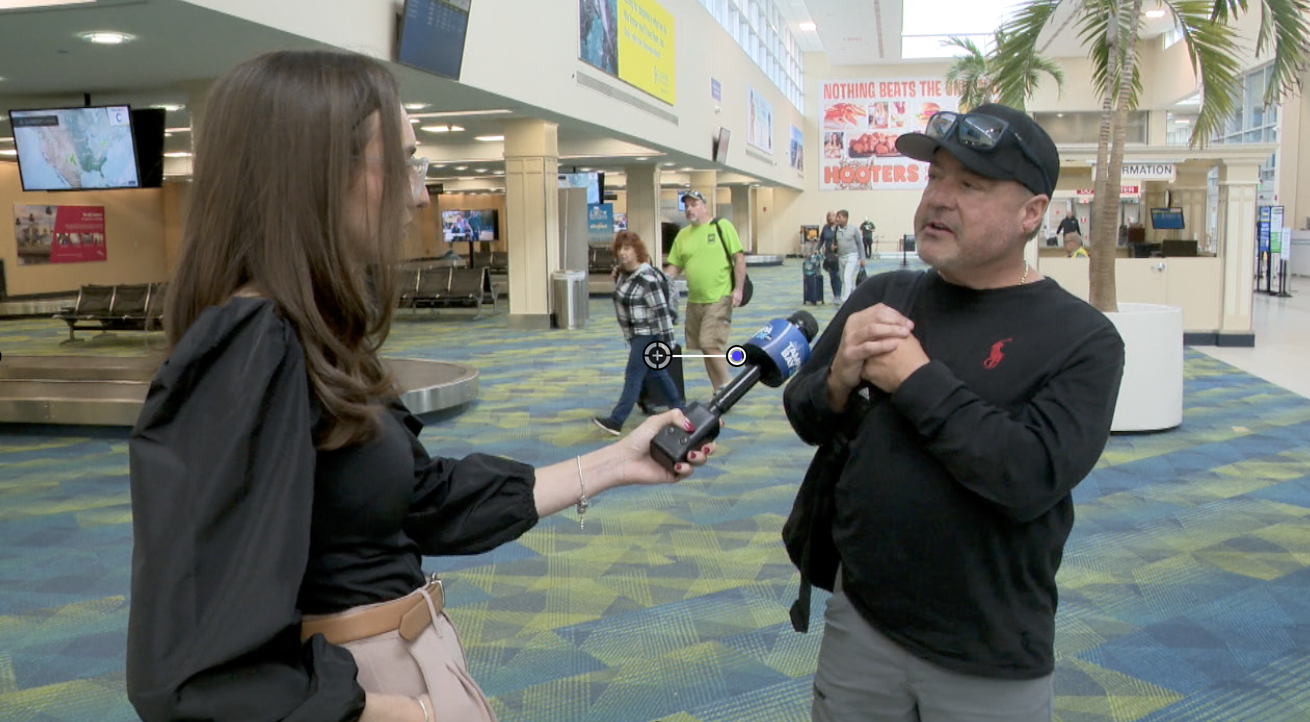


PINELLAS COUNTY, Fla. — Flights were moving again at St. Pete-Clearwater International Airport Saturday, one day after a rare nationwide FAA ground stop disrupted air travel across the country.
For passengers arriving in Pinellas County, the flights themselves were largely smooth. But for some, Friday’s outage left behind questions about the systems working behind the scenes and whether they should feel safe getting back on a plane.
WATCH NOW: After nationwide FAA ground stop, passengers question safety as aging systems face scrutiny
Kevin Parker, who flew into St. Pete from the Harrisburg, Pennsylvania, area, said his flight went smoothly despite a roughly 30-minute delay.
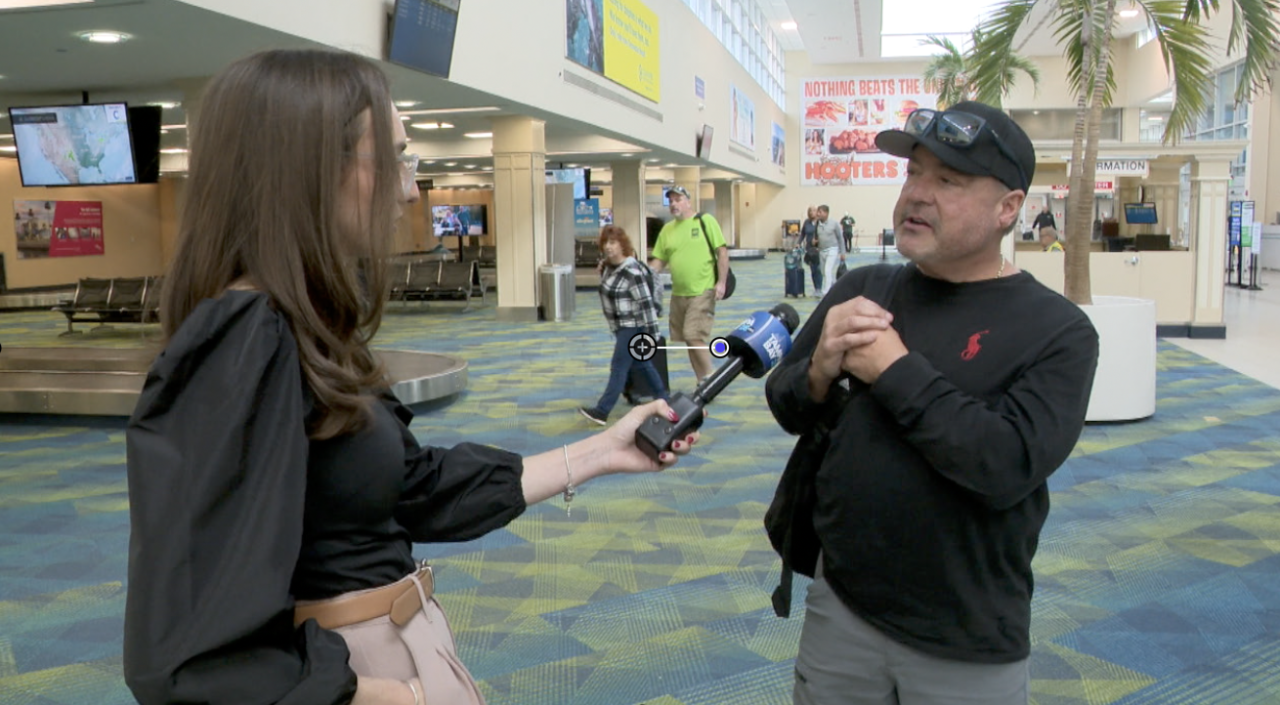
“Flight went perfect,” Parker said. “It was about a half hour late ... but it went smooth and we got here.”
Kumar Gray had a similar experience. He said he did not encounter significant delays during his trip from Pennsylvania, but that did not mean he had no concerns ahead of the flight.
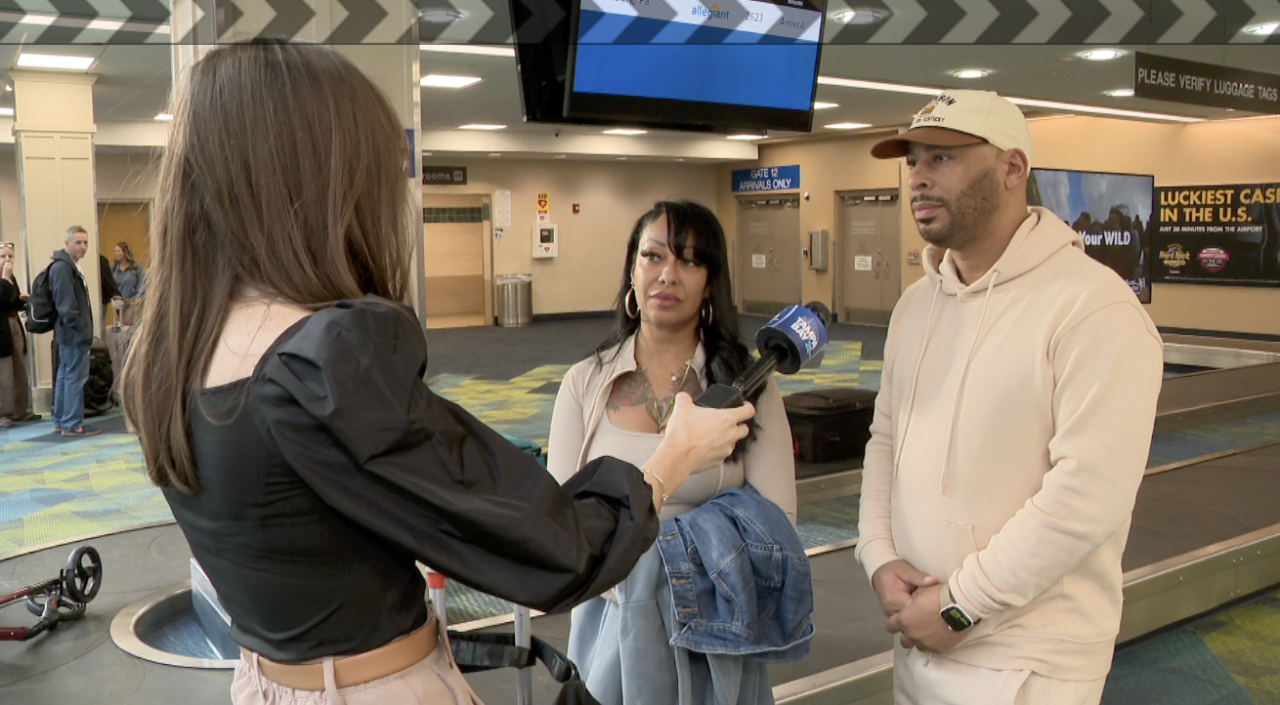
“I was really concerned because I didn’t really know exactly what the issue was,” Gray said. “That’s kind of what was the first thing that went through my head, was safety and, ‘Will we be OK flying today?’”
What happens when communication systems fail?
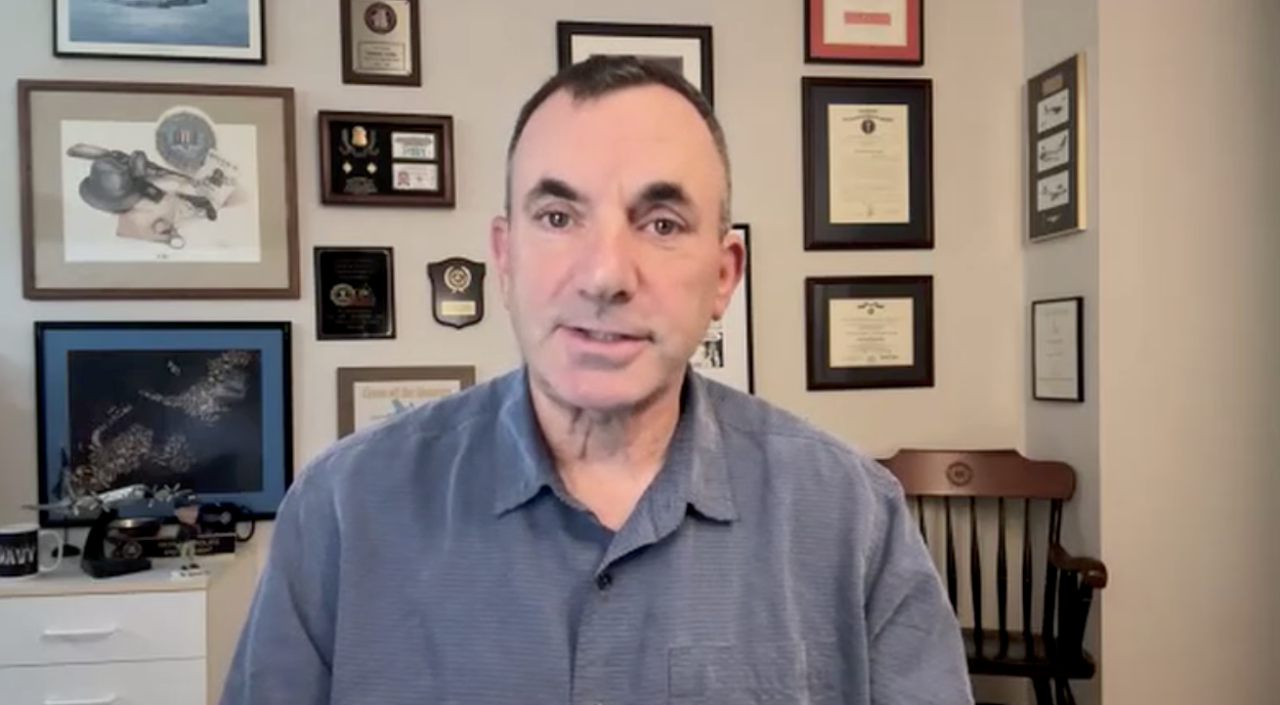
Tampa Bay 28 took that question to Richard Kolko, a retired FBI special agent and retired Navy commander who flew as a Navy pilot.
Kolko said pilots are trained for communication failures and have emergency procedures they can fall back on.
“They’ve got a whole set of emergency procedures if they do lose their communications,” Kolko said. “Pilots practice them, and they really probably had to work a lot harder yesterday, but were not in any significant danger.”
According to ABC News' report on the nationwide ground stop, the FAA began experiencing instability involving radar and communications Friday afternoon. Transportation Secretary Sean Duffy said about 3,500 planes were already in the air when the FAA stopped departures nationwide. The FAA said the ground stop was ordered “for reasons of safety.”
Duffy said the systems deployed during the outage kept aircraft safe and allowed planes already in the air to land. He blamed the disruption on aging air traffic control technology and said more problems could occur without modernization.
A $50 billion fix
The bigger issue is what comes next.
ABC News reports Duffy is seeking $50 billion from Congress to fix the aging air traffic control infrastructure.
Edward Shapiro was at the airport Saturday waiting for his girlfriend to arrive from Harrisburg. Her flight was only about 15 to 20 minutes behind schedule, but Shapiro said the country's reliance on air travel makes fixing the system important.
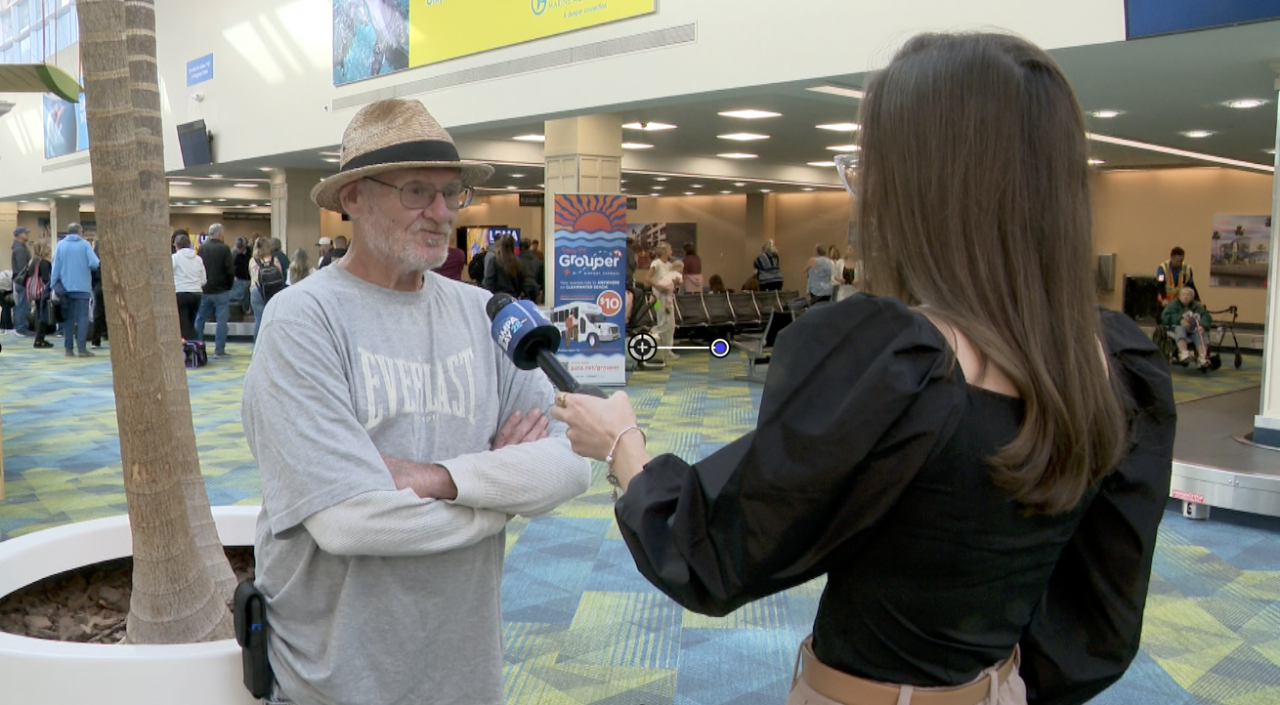
“Just give them all the money they need,” Shapiro said. “Air transportation is very important. And you can’t shut down a country because of a stupid computer program.”
But Kolko said funding alone would not produce an immediate fix.
“They’ve still got to design, develop, purchase, test and implement that new system,” Kolko said, adding that the process would take years.
He told Tampa Bay 28 that because modernization will take time, travelers could continue to see problems with the system in the years ahead.
For Parker, Friday’s outage raised another question: What happens when something goes wrong?
“I just think a Plan B would be applicable ... when something like this happens,” Parker said.
Kolko said that when it comes to pilots in the cockpit, training and emergency procedures provide that backup when communication is lost.
And for Shapiro, after a day spent waiting for his girlfriend’s plane to touch down, there was something much simpler that mattered.
“I’m just happy to see her come home,” he said.
Share Your Story with Haley
Tampa Bay 28's Haley Zarcone lives and works in Manatee County. It’s her mission to connect with her neighbors and help them find answers to the issues they see every day.
.

HOA said yes, but the CDD says no: Sun City Center homeowners ordered to remove backyard fences
For years, homeowners in one Hillsborough County neighborhood had fences around their backyards — fences that were approved by their homeowners' association. But now, another organization with government powers says some of those fences are blocking drainage easements and have to go, at the owners' expense.
