

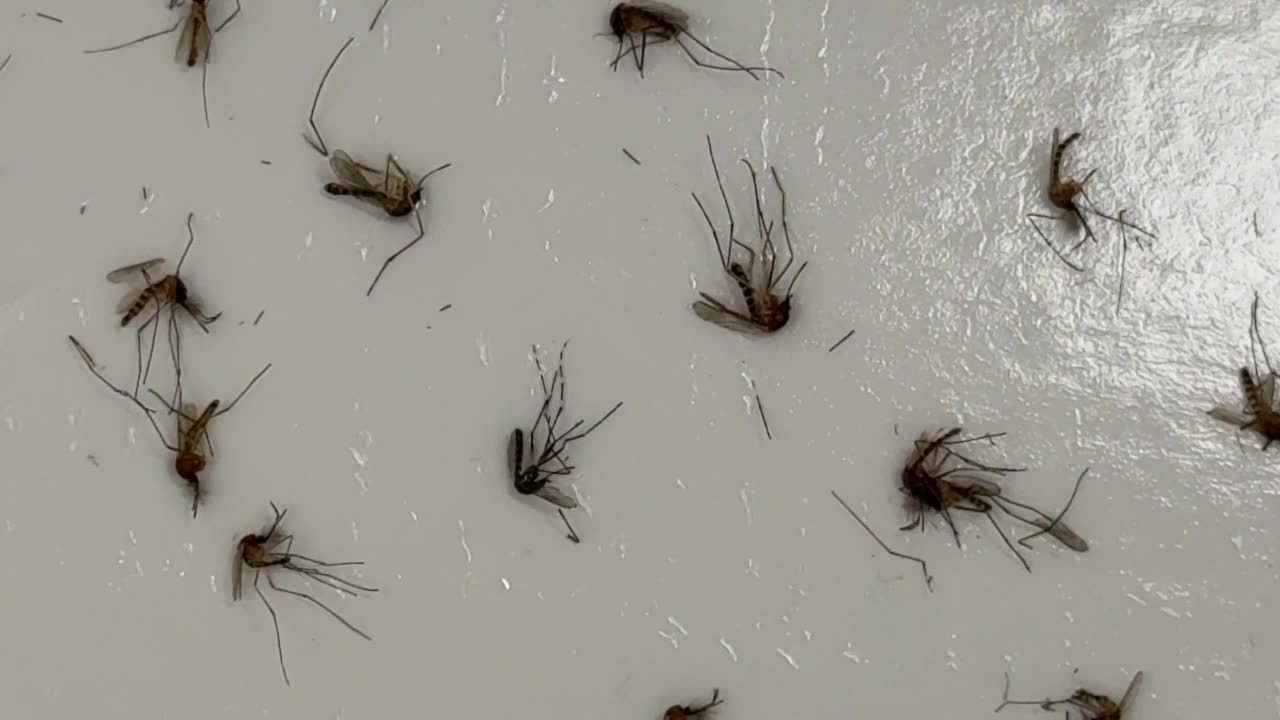


TAMPA, Fla. — Inside the Science Center at the University of South Florida, associate professor Ryan Carney is using artificial intelligence to help stop the spread of dengue.
Carney showed Tampa Bay 28 a new smart mosquito trap that uses AI to identify the species of mosquito, gender and whether the mosquito has fed on blood.
WATCH: USF professor uses AI-powered mosquito traps to combat dengue outbreak
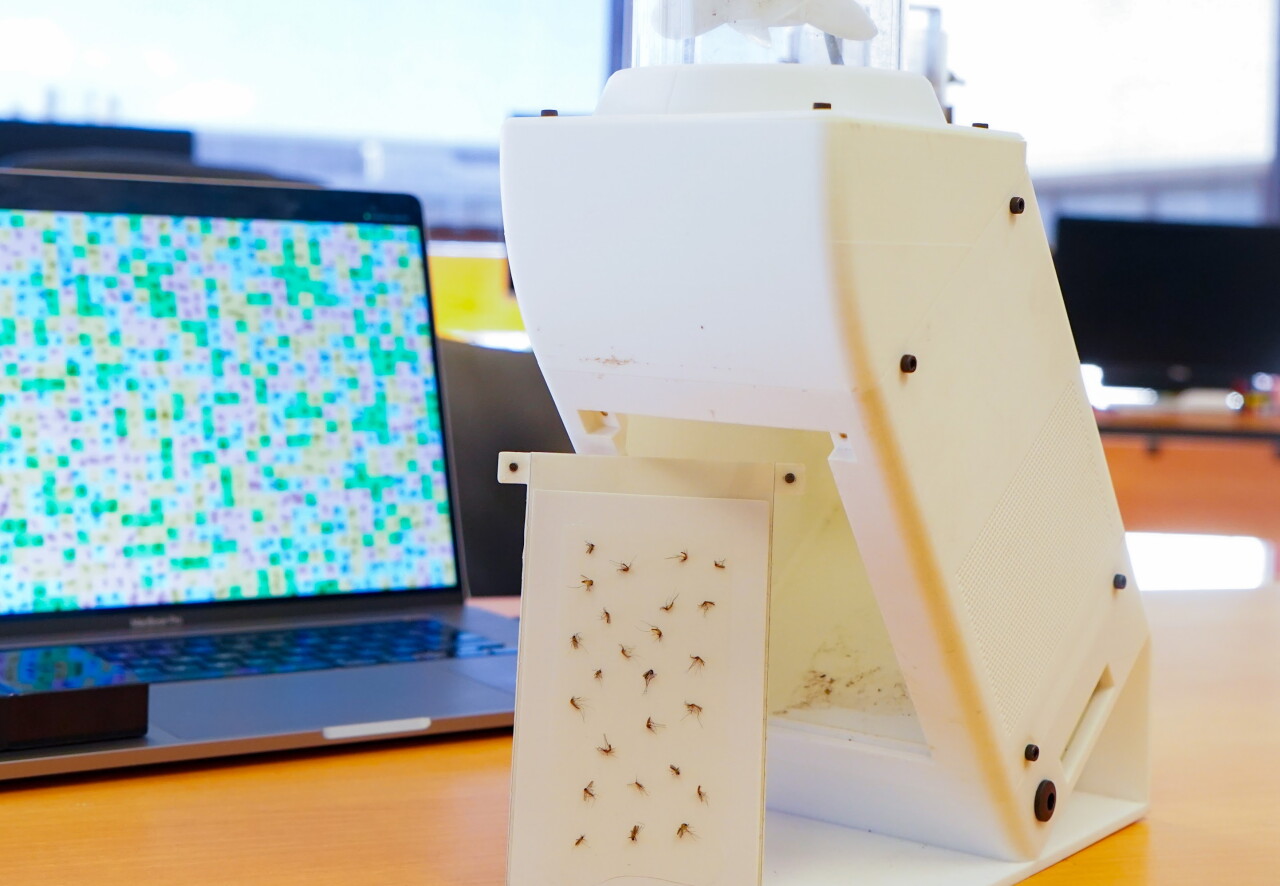
"The mosquito will fly in this — it will get sucked in by the fan, and then they will be stuck onto the sticky pad," said Ryan Carney, Associate Professor of Digital Science at the University of South Florida.
The trap works by hanging it on a low tree branch or placing it on the ground. A light bait can be used to attract mosquitoes, while a fan draws them inside. Once captured on a sticky pad, two built-in cameras photograph the insects, allowing the AI technology to identify their species using a vast database of mosquito images.
The smart trap contains patented AI technology and has achieved more than 98% accuracy in identifying mosquito species during laboratory testing.
The process is typically done manually, so a smart trap is designed to save time.
"They’ll take a traditional trap, put it out into the field, then someone will come back maybe a few days later, a week and collect that, bring all mosquitoes back to the lab. They will then spread them out on a table, and then the epidemiologist will go through by hand, sometimes with the aid of a microscope, and then identify those species — something that takes a lot of time, a lot of expertise as well, which is very rare," said Carney.
The CDC is currently reporting 472 cases of locally-acquired dengue in Hillsborough County. Carney says as we head into the winter months, residents can help limit the spread by eliminating mosquito breeding grounds.
"We need to do everything we can to stop an epidemic of dengue in 2027 — so there’s an old saying in dengue control that the critical time to fight dengue is when it appears that there is no dengue and by that, I mean, where it is actually overwintering in an area undetected," he said.
"Aedes aegypti, which is the primary species of mosquito that is spreading the dengue virus, breeds in those artificial containers, and so it’s very, very important for residents, especially over the winter months, to drain any standing water that they have in and around their home that will kill the eggs and any larvae," said Carney.
Carney is also working on an early warning system called DYCAST. The system could eventually help mosquito control districts monitor populations and identify areas at risk.
"It's based on GIS, or geographic information system, so think of something like Google Maps; it’s a spatial modeling program, but the key is that it is based on parameters of the disease. It looks for clusters of cases that are within, for example, the flight range of the Aedes aegypti mosquito. They don’t fly very far, so that’s one of the parameters of the model," said Carney.
Carney said the goal is to pinpoint where disease-carrying mosquitoes are concentrated so crews can target their response.
"They can lay their eggs, and those eggs can survive without water for months, and so that’s the big critical danger here, so we have the opportunity and the obligation to solve dengue for Tampa," he said.
Share Your Story with Julie

Julie Salomone works to share the issues that matter to you. And navigating the job market is critical to affording the price of paradise. Julie also focuses on the day-to-day issues in Sarasota County, so be sure to reach out to Julie to start a conversation.
.

MacDill Air Force Base housing lawsuit grows to 105 military families alleging unsafe conditions, mold
A lawsuit against the company managing privatized housing at MacDill Air Force Base has more than doubled in size, with 105 military families now alleging they lived in unsafe and unhealthy conditions. The amended complaint represents more than 450 people and spans 924 pages.
