

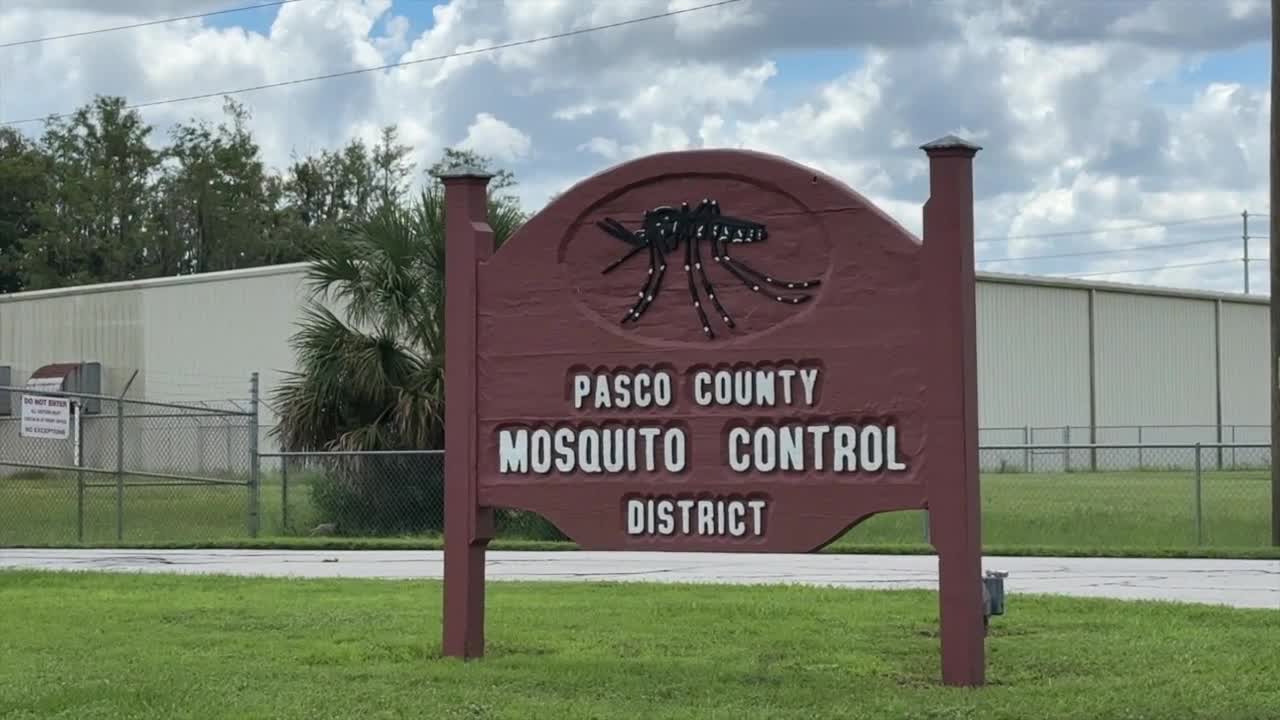


PASCO COUNTY, Fla. (WFTS) — Mosquitoes are one of the deadliest animals in the world because they transfer diseases — and a recent surge in dengue fever cases across the Tampa Bay region is raising alarms among health officials.
WATCH: Dengue fever cases climb in Pasco County, Tampa Bay area
The Florida Department of Health's most recent report shows the state has 41 cases of locally acquired dengue fever. Thirty of those cases are in Hillsborough County, 3 are in Pinellas County, 1 is in Citrus County, and 2 are in Pasco County — specifically in Hudson and Wesley Chapel.
Adrian Rodgers, executive director of the Pasco County Mosquito Control District, said the cases should not be taken lightly.
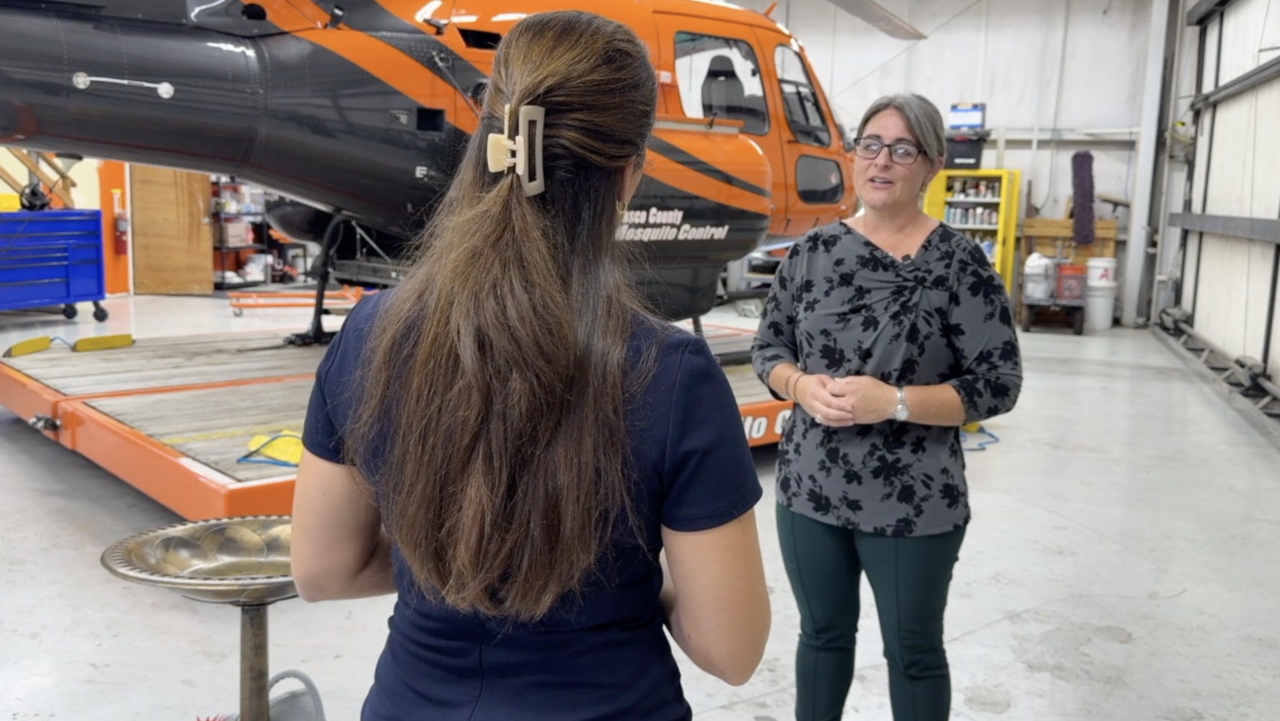
"This really is a public health concern at a regional capacity. The entire greater Tampa Bay area should be on alert," Rodgers said.
Pasco County Mosquito Control also has additional suspected cases under investigation beyond the confirmed numbers.
Dengue is a mosquito-borne illness that can cause fever, body aches, and severe muscle or bone pain often associated with a rash. Symptoms can appear as early as 2 days after a bite or take up to 2 weeks to develop.
Rodgers urged anyone experiencing those symptoms to seek medical attention.
"Don't just pass it off as a normal summertime virus, if you are experiencing any of those symptoms, please be evaluated by a healthcare professional," Rodgers said.
Rogers said mosquito responsible for spreading dengue — the Aedes aegypti — is not a swamp-dwelling species. It stays close to people, often around homes and businesses, and tends to feed near the ankles during the day.
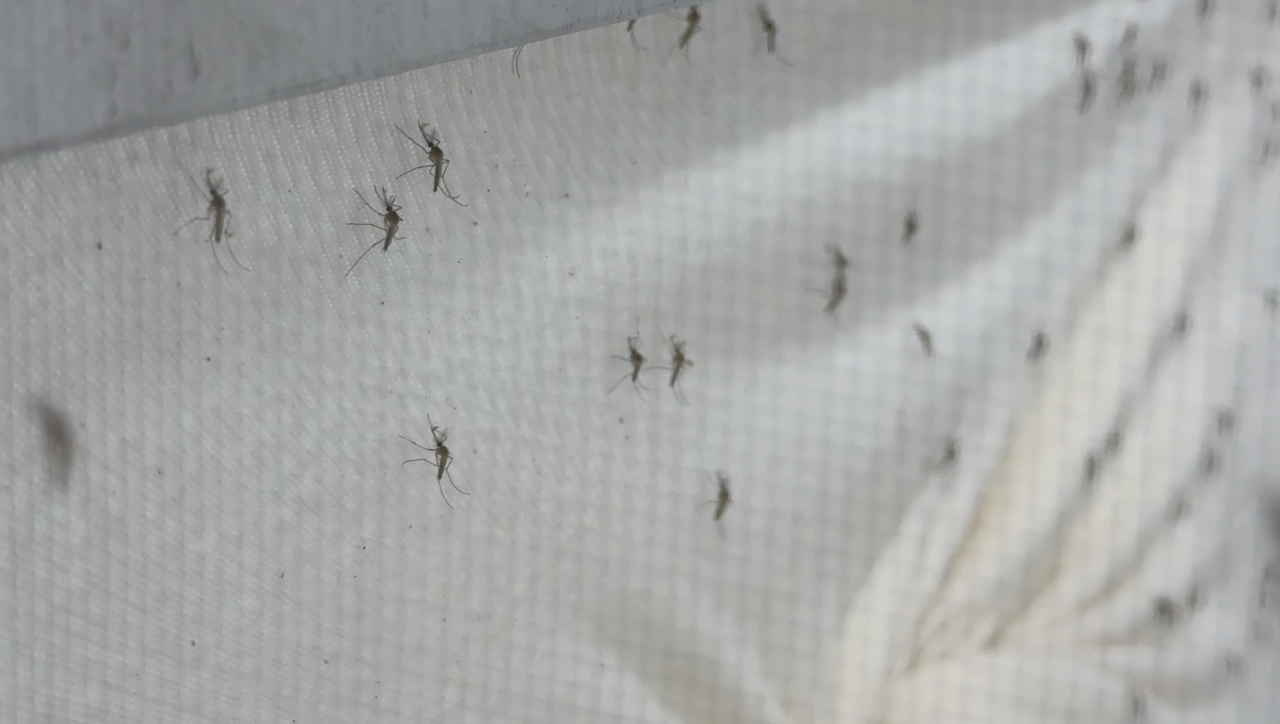
"They like to feed on human blood. They like to utilize things that we have around our homes and businesses to lay their eggs and produce their young," Rodgers said.
Because the Aedes aegypti is not a strong flier, experts say they usually hover around your ankles, so wearing personal protection and eliminating breeding sites near the home are among the most effective defenses.
Rodgers recommends wearing long, loose clothing and using mosquito repellent containing the active ingredient DEET or Picaridin. Residents are also urged to dump and drain any standing water around their property.
"Something as small as this bottle cap down here can't hold enough water to produce Aedes aegypti mosquitoes," Rogers said. "Things like children's toys that may be out in your yard, pets, water dishes, bromeliad plants."
Wesley Chapel resident Nina Rosado said she already takes precautions after rain.
"Every time that it rains I go out... and I spill the water and take care of it," Rosado said.
Her husband, Jorge Rosado Padilla said he also takes steps to protect himself.
"I also wear long pants all the time when I go to the backyard," Rosado Padilla said.
Not all residents were previously aware of the threat. Zephyrhills resident Ayesha Parker said the news caught her off guard.
"I'm concerned, I didn't know it was a thing, t-2 minutes ago," Parker said.
Pasco County Mosquito Control has stepped up its response, deploying additional trucks to spray neighborhoods and using helicopters to treat larger areas.


For more information on how to protect yourself and what Pasco County Mosquito Control is doing in your area, visit their website.
Share Your Story with Annette

If you live in Wesley Chapel or the surrounding area, Annette Gutierrez is here for you. She’s focused on finding solutions and getting results for our neighbors, so send Annette tips on how she can help.
.

Pasco County mom of 5 takes in 3 children left without food or power whose mother faces neglect charges
Jasmine Young, a mother of 5, opened her home to three neglected girls as their mother faces child neglect charges for leaving them without food, power or water.
