

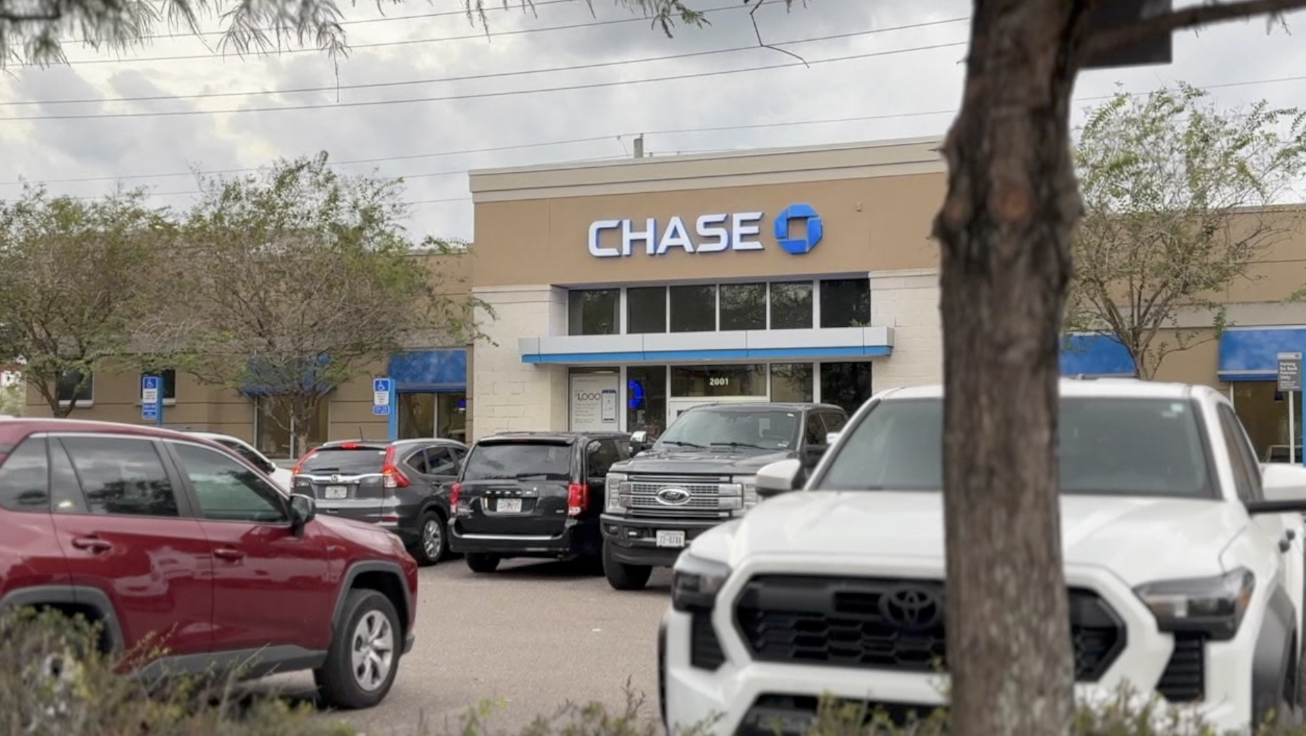


TAMPA, Fla. — A string of technical outages impacting everything from email to air travel and online banking is raising questions about just how dependent consumers have become on digital systems.
According to Scripps News, thousands of customers reported difficulty accessing online accounts and completing transactions involving some of the nation's largest banks Monday.
WATCH NOW: Banking, airline outages raise concerns: How to protect yourself when systems go down
Scripps News reported that JPMorgan Chase attributed the disruption to a technical issue and said it was not the result of a cyberattack. The bank said some transactions were taking longer than usual to complete, but customers still had access to their accounts and funds.
The issue also created ripple effects for customers at other financial institutions attempting to transact with Chase. According to Scripps News, Bank of America and Citigroup said their own banking services were not experiencing issues. U.S. Bank said customers attempting to send or receive Zelle payments involving another financial institution could experience delays.
Scripps News reported that Zelle said its network was fully operational and that issues at individual financial institutions may have been delaying payments for some customers.
The banking problems came just days after other major outages. Scripps News reported that a widespread Microsoft outage impacted services including Outlook, Teams and Copilot, followed by an outage affecting the nation's air traffic control system.
Cybersecurity expert: Consumers have reason to be concerned
With several outages occurring within days of each other, Tampa Bay 28 asked cybersecurity expert Scott Schober whether he understands why consumers are concerned.
“Absolutely, and I think they have good reason to be concerned. I myself, I’m focusing on technology and I am concerned.”Schober, president and CEO of Berkeley Varitronics Systems, said so much of everyday life relies on interconnected technology, from banking and mobile phones to travel and communication.
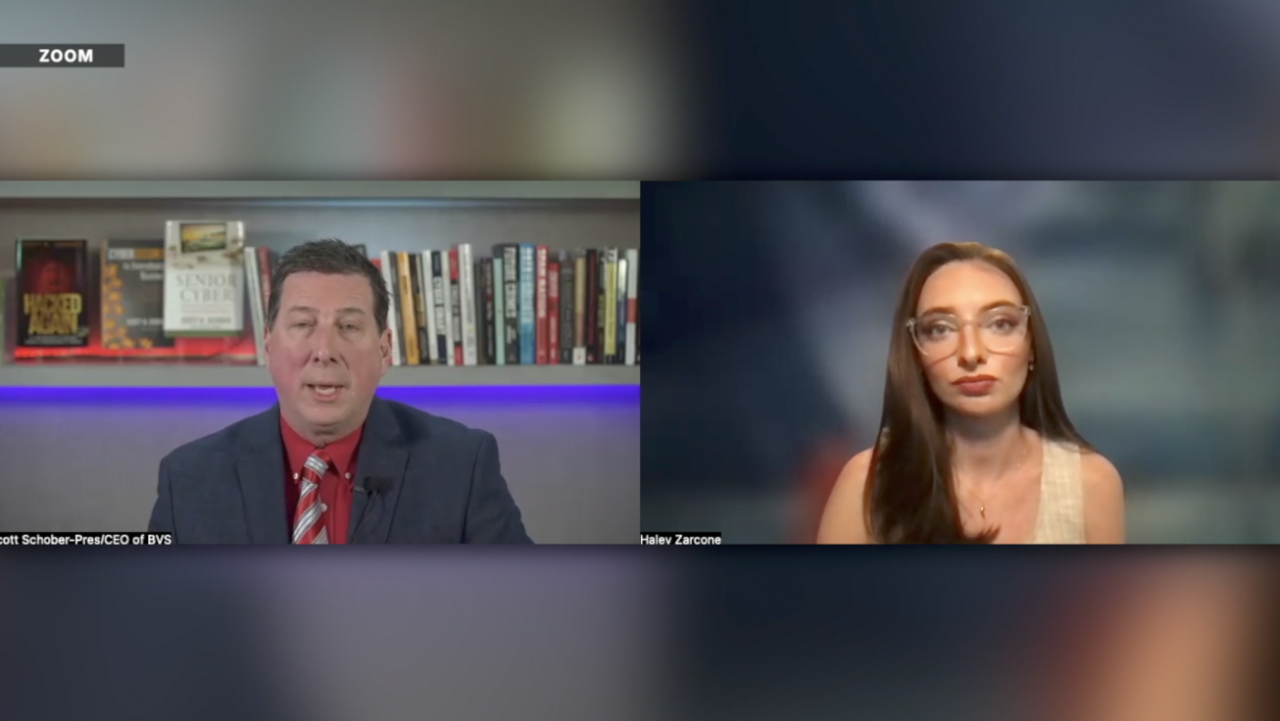
But when something goes down, his advice is simple: Don't panic.
“First and foremost, stay calm. Don’t panic. I wouldn’t race to the bank or try to call your bank and pull your money. In fact, I wouldn’t even try to jump online and try to move funds from one account to another.”Tampa Bay 28 visited several banks shortly before closing Monday and did not see a rush of customers attempting to withdraw cash.
An outage doesn't have to be a cyberattack to attract cybercriminals
While Chase said Monday's disruption was not caused by a cyberattack, Schober warned that cybercriminals can still try to capitalize on the confusion surrounding an outage.
“Even if this is not a cyber incident, they’re watching the headlines in the news and seeing this themselves,” Schober said. Criminals can use reports of banking problems to make phishing attempts more believable.
For example, someone could receive a fraudulent email or text claiming suspicious activity has been detected on their bank account and telling them to click a link or update their password immediately.
Because customers have already heard about an outage, Schober said they may be more likely to believe the message and act quickly without first determining whether it is legitimate.
“Phishing attempts are probably the number one way that we fall victim as consumers when craziness happens.”
Tips for protecting your money during an outage
Schober recommends consumers take several precautions:
- Stay calm. Don't immediately start moving money between accounts simply because an app or website isn't working.
- Don't click unexpected links. Be especially cautious of texts or emails claiming you urgently need to secure or verify your bank account.
- Go directly to your bank. Open your bank's official app, manually enter its website address or call the bank directly instead of following a link in a message.
- Use multi-factor authentication. Schober recommends enabling MFA on online banking accounts to provide another layer of protection.
- Don't reuse passwords. Your banking password should be different from passwords you use for email, social media or other accounts.
- Use long, strong passwords. Schober warned that when the same login credentials are reused, a password exposed through one compromised service could potentially put other accounts at risk.
- Consider keeping emergency cash available. Schober said consumers could consider securely keeping roughly enough cash to cover a week's typical expenses as a backup if they temporarily cannot access a bank, ATM or online banking.
Another disruption hits air travelers
Monday brought another technology problem for travelers.
After a weekend of delays and cancellations, another technical issue impacted departing United flights Monday evening.
Tampa International Airport told Tampa Bay 28 that three United flights were impacted. Those flights were delayed between approximately 30 minutes and an hour before taking off once the technical issue was resolved.
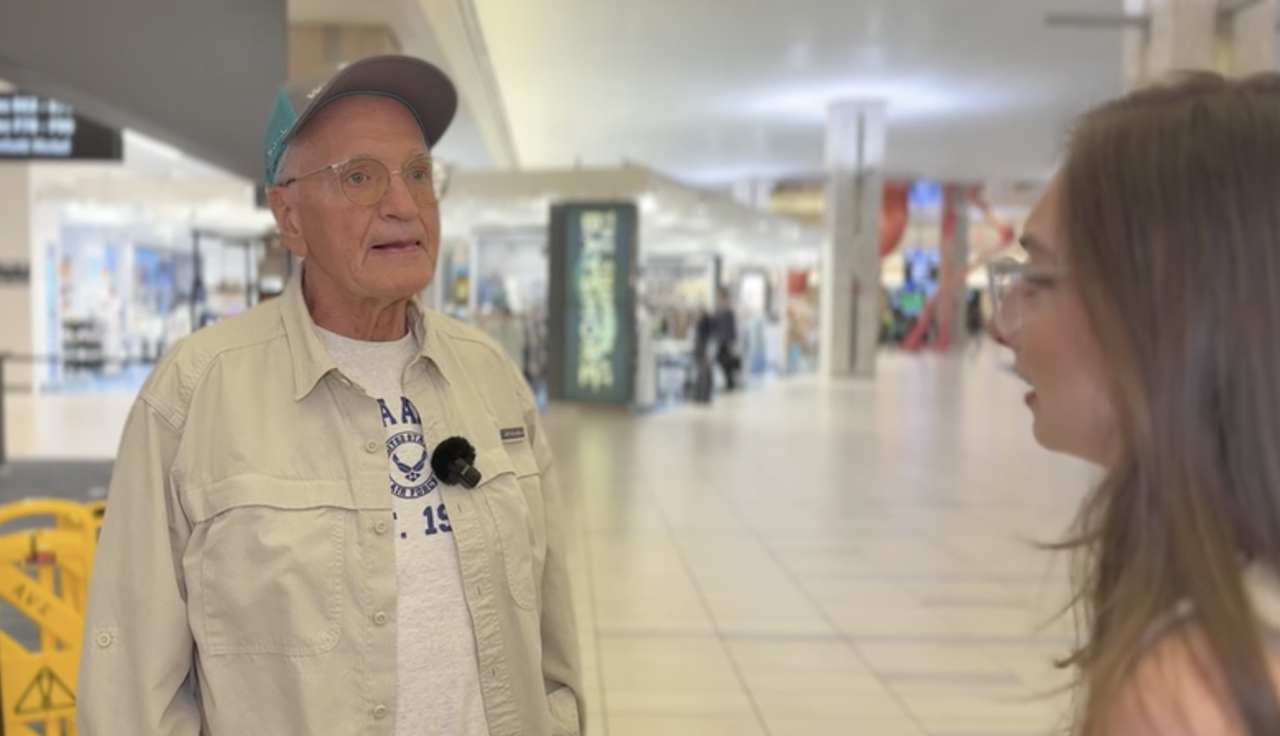
Passenger Michael Krems, who was trying to return to upstate New York after visiting Tampa, had already experienced hours of travel delays when Tampa Bay 28 told him about the banking problems.
At the end of the interview, Tampa Bay 28 asked Krems what he made of a week in which outages have impacted everything from email to air travel and banking.
“I hate to think that we’re going to have more things that are going to be happening down the road that are going to really interrupt traveling, finance and a lot of other things. So I’d like to see these things ironed out as soon as possible.”
Share Your Story with Haley
Tampa Bay 28's Haley Zarcone lives and works in Manatee County. It’s her mission to connect with her neighbors and help them find answers to the issues they see every day.
.

HOA said yes, but the CDD says no: Sun City Center homeowners ordered to remove backyard fences
For years, homeowners in one Hillsborough County neighborhood had fences around their backyards — fences that were approved by their homeowners' association. But now, another organization with government powers says some of those fences are blocking drainage easements and have to go, at the owners' expense.
