


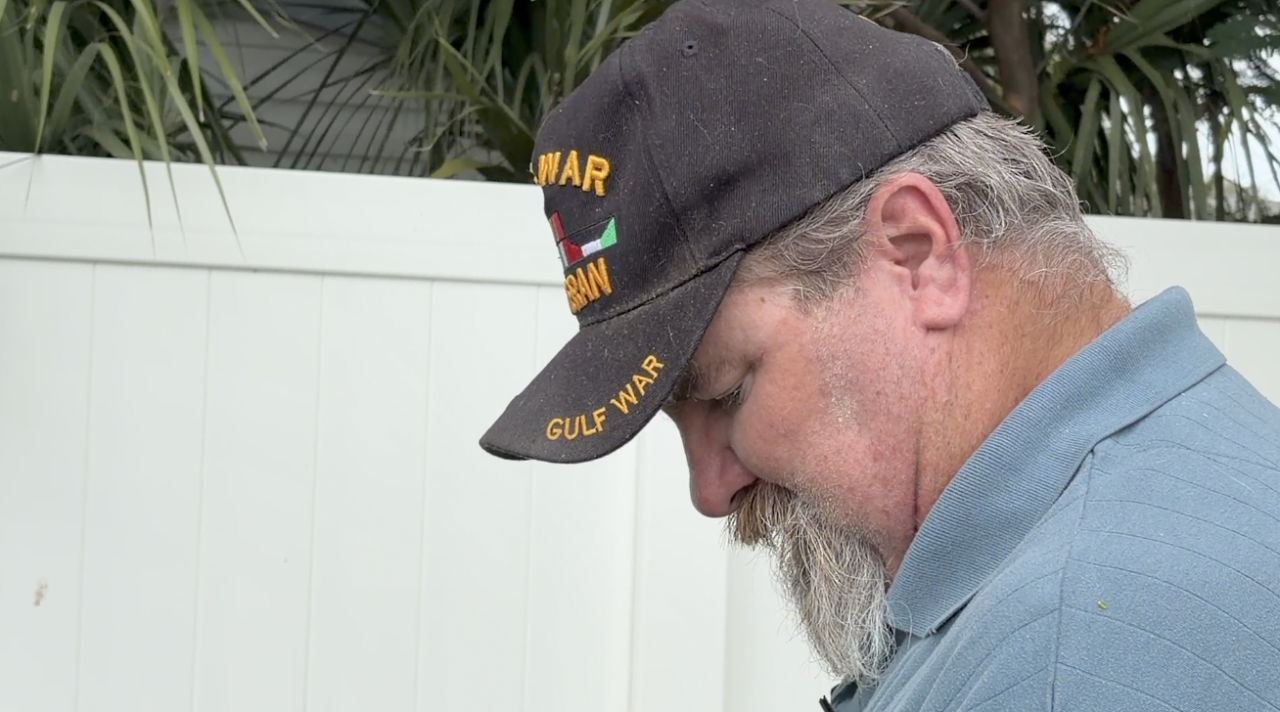
BRADENTON, Fla. — For Army veteran and medically retired law enforcement officer Sean Hawker, working with a service dog is about more than having a companion by his side. It is about having another source of support as he manages PTSD.
Hawker served as a paratrooper in the United States Army, including during Desert Storm with the 82nd Airborne. He later became a patrol sergeant in law enforcement before medically retiring.
WATCH: Canines for Heroes helps veterans build independence through service dog training
“I do have PTSD from both the military and law enforcement,” Hawker said. He explained that during what he considers a bad episode, “I black out. I don’t remember anything that happens.”
Now, Hawker is working with a local program that helps veterans and first responders build a partnership with a trained dog.
Training both the dog and the veteran
Canines for Heroes works with veterans and first responders seeking the support of a trained dog. Through the program, Hawker connected with Julie Madison of Top Tier Canine Bradenton.
Madison said her approach is not just about training a dog. She teaches the owner how to continue that training and communicate with the dog after the formal program ends.
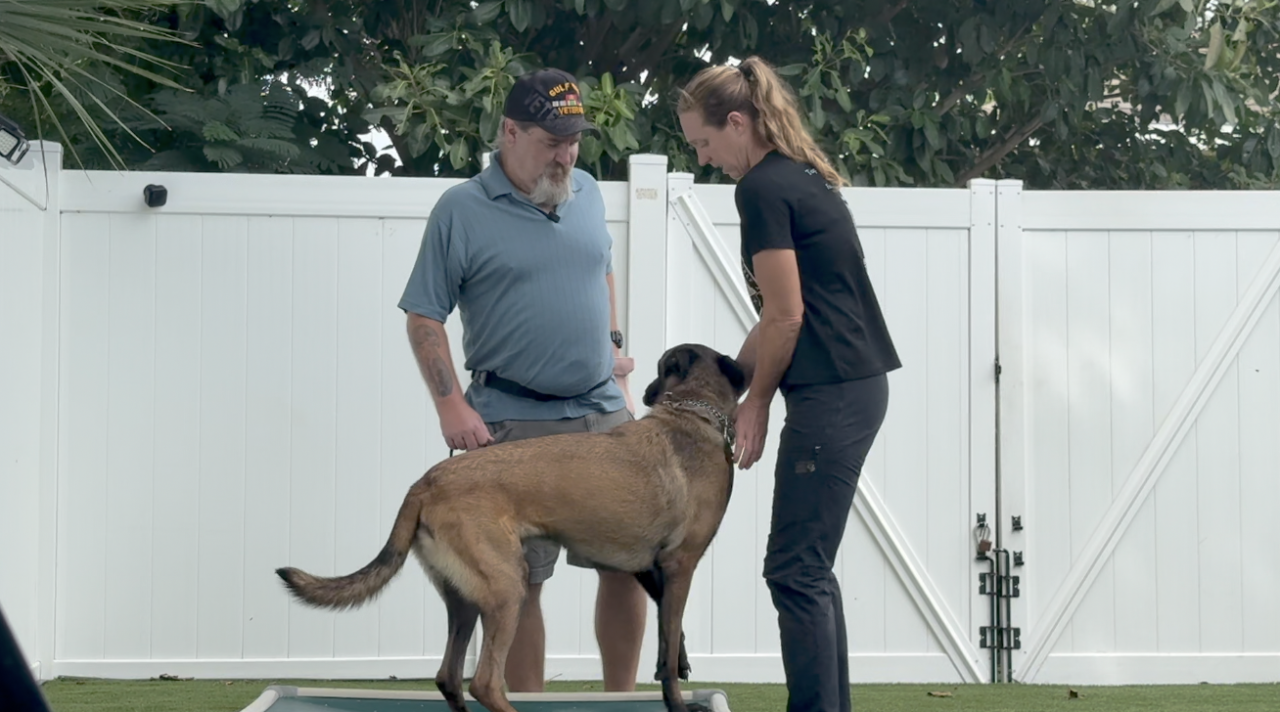
“I love my work with veterans because I can tell how much it influences their daily lives,” Madison said.
She said she has seen that impact extend into how some veterans approach situations that once felt overwhelming.
“I’ll see people who go from, ‘I don’t want to leave my house, I can’t interact with people,’ to, ‘OK, you know what? I can do this. This isn’t as big or as scary as it was in my head,’” Madison said.
Hawker said that hands-on approach was important to him because Madison is teaching him how to become part of the training process.
“She teaches you how to teach the dog,” Hawker said. “So she’s not only teaching the dog, she’s then teaching me so I can correct the dog later on if it’s not doing what it’s supposed to do.”
Hawker is preparing to work with his new dog, Star. He hopes the partnership will eventually give both him and his family more freedom when he is struggling.
“It gives freedom to not only my family,” Hawker said, adding that the dog will be there to help him manage through difficult moments.
Helping cover the cost
Sandra Laflamme, co-founder of Canines for Heroes, said the organization helps cover the cost of training for veterans and first responders in its program, removing a potential financial barrier.
The organization can work with people who already have a dog or help connect a recipient with a dog, including rescue dogs when appropriate.
But Laflamme stressed that the process requires commitment from the person on the other end of the leash, too.
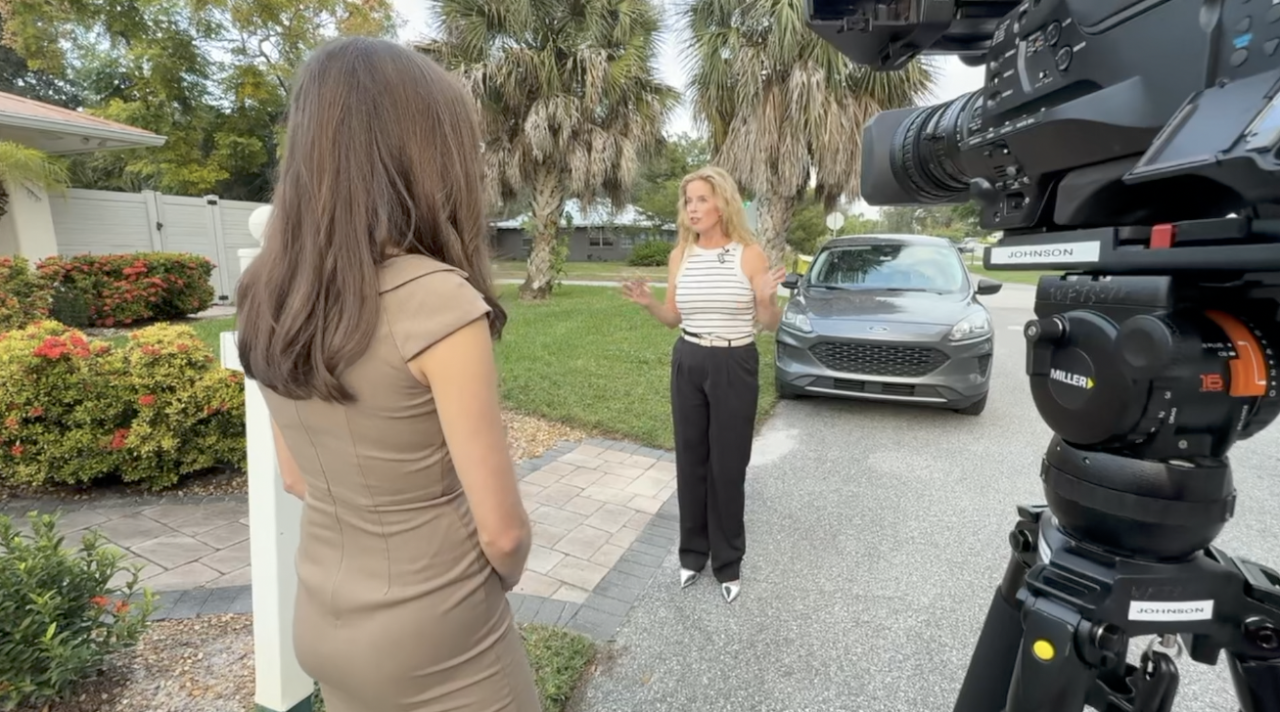
“Our recipients will always say it’s a human training thing,” Laflamme said. “I’m the responsible one. I’m the one in charge. I’m the one making decisions for myself, but that’s really empowering.”
She described the partnership as providing a “new leash on life” and giving recipients an opportunity to “put their best foot forward with a big safety net.”
The support also goes beyond the initial training. Laflamme said participants can return for additional help and connect with meetups and the community surrounding the program.
Experiencing the training firsthand
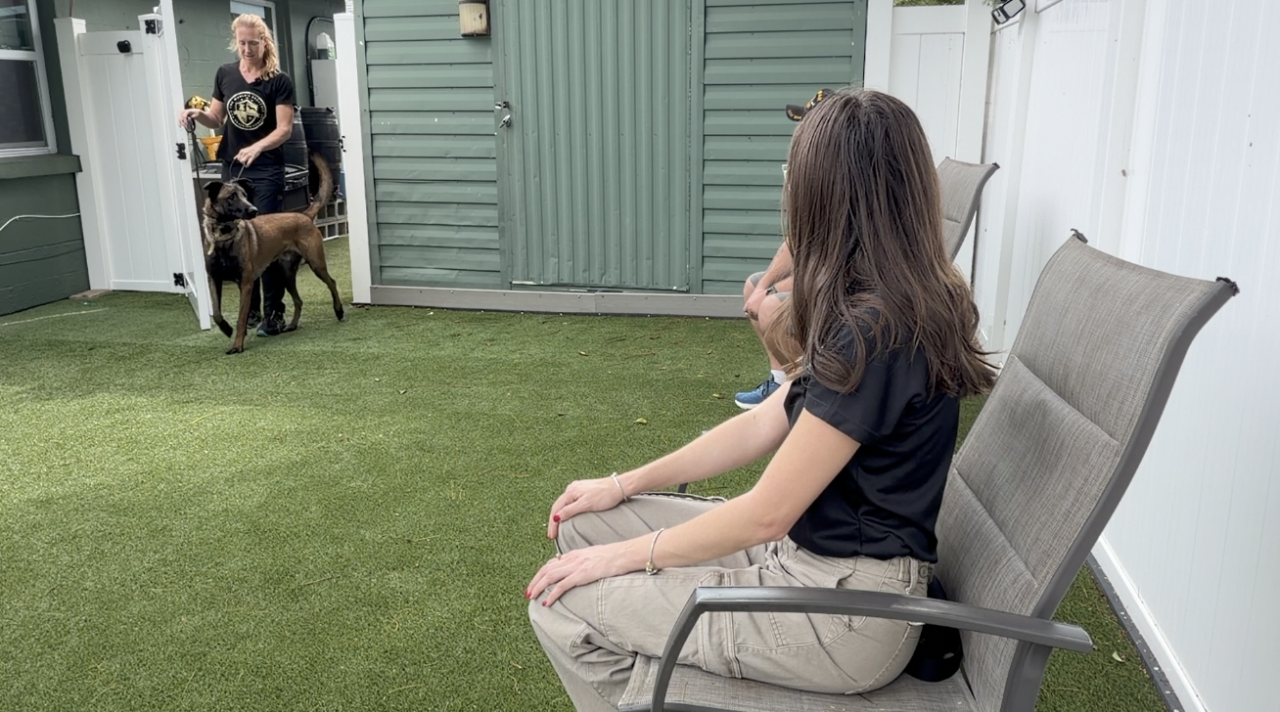
After our interviews, Hawker trained with the dogs alongside Madison, putting into practice the techniques the two had described.
I stepped in and worked with one of the dogs as well.
The exercise demonstrated how much of the process depends on the handler. Eye contact, consistency, control and even how the person handles the treat bag can affect how the dog responds.
That firsthand experience reinforced a point made throughout all three interviews: the program is not simply about training a dog for a veteran. The veteran and the dog learn how to work together.
A message to other veterans
For veterans or former law enforcement officers who have considered getting a service dog but haven't taken the first step, Laflamme's advice is simple.
“Just call us right away,” she said, explaining that families can visit and see the training process for themselves before deciding whether it is right for them.
Hawker had his own message for other veterans. When asked what he would tell someone watching who was hesitant to seek that kind of support, he chose to speak directly to the camera.
“We were not taught to be there by ourselves,” Hawker said. “We need help, get it first and foremost, get whatever you need.”
He encouraged other veterans to explore whether a rescue or PTSD service dog could be right for them.
“They will be there for you just like we were as battle buddies,” Hawker said. “They are there for you.”
On a Thanksgiving centered around gratitude, Hawker's story is also about what can come next after service: finding support, building a new partnership and knowing you don't have to navigate that next chapter alone.
Share Your Story with Haley
Tampa Bay 28's Haley Zarcone lives and works in Manatee County. It’s her mission to connect with her neighbors and help them find answers to the issues they see every day.
.

MacDill Air Force Base housing lawsuit grows to 105 military families alleging unsafe conditions, mold
A lawsuit against the company managing privatized housing at MacDill Air Force Base has more than doubled in size, with 105 military families now alleging they lived in unsafe and unhealthy conditions. The amended complaint represents more than 450 people and spans 924 pages.

