




TAMPA, Fla. — Human trafficking isn't always what people think — it doesn't always begin with a stranger in a parking lot. Experts say it often starts with trust, built slowly, and with vulnerabilities that can affect anyone.
January is Human Trafficking Awareness month, and Tampa Bay 28 reporter Annette Gutierrez sat down with experts to break down the myths often associated with dramatic kidnappings or crimes happening far from home.
WATCH: Experts debunk common myths about human trafficking during awareness month
When people think of human trafficking, many picture dramatic kidnappings.
"The utility van that scoops somebody up and they're stolen and they're trafficked," said Stephanie McMullen, Community Engagement Director at HeartDance Foundation.
But experts with the HeartDance Foundation said that's not always the case.
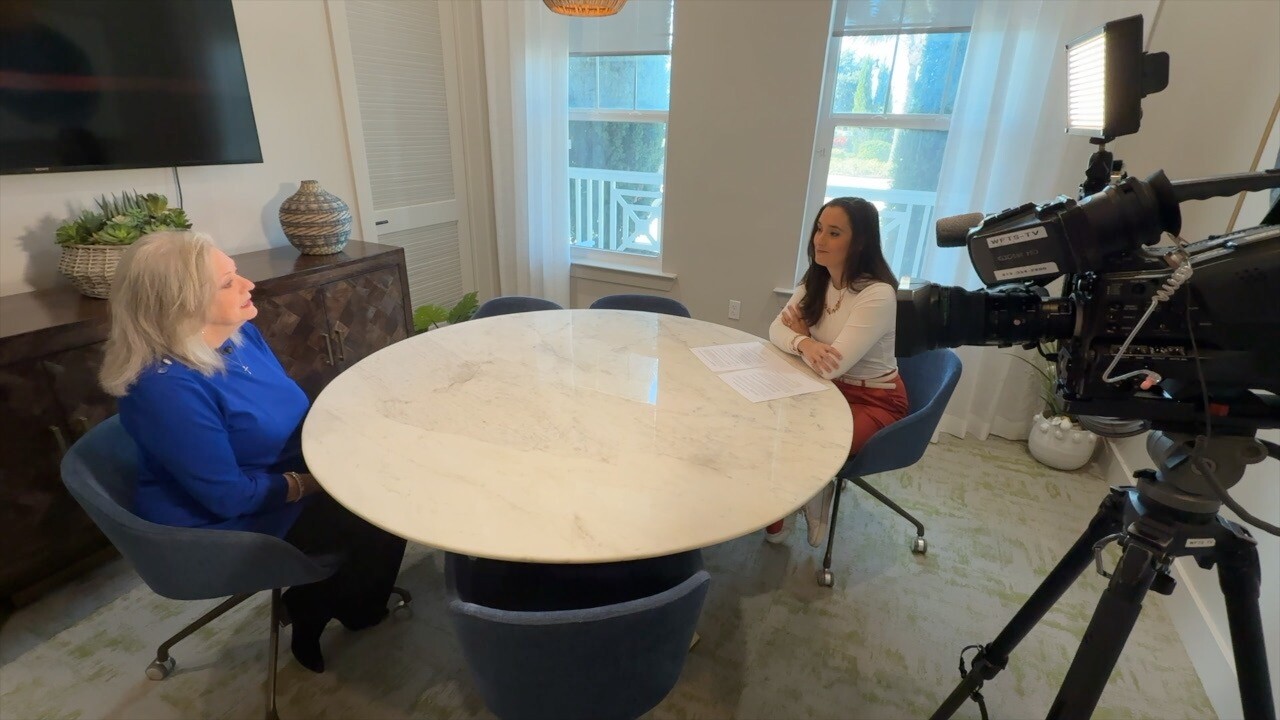
Kim Figueroa, a law enforcement expert, said human traffickers don't discriminate.
"Human trafficking does not know any gender, race, age, socioeconomic background. It looks like you, it looks like me. It looks like the seven-year-old little boy standing in the grocery store," Figueroa said.
Advocates said trafficking is about exploitation — not appearance.
"It happens to everyone, and it's about vulnerabilities, so my definition of human trafficking is the business of the exploitation of vulnerabilities for another person's gain," said Dotti Groover-Skipper, CEO of HeartDance Foundation.
Another common myth is that victims are always physically restrained or kidnapped by strangers.
"That is not true. That is a myth," Groover-Skipper said.
Instead, Groover-Skipper said control is often emotional and psychological.
"There are those mental and emotional chains around an individual who's being trafficked," Groover-Skipper said.
Advocates said many victims are trafficked by someone they know and trust.
"Familial trafficking is still very, very prevalent today with traffickers who happen to be family members, trusted family friends — not always the strangers that people might think," Groover-Skipper said.
Another misunderstanding involves the difference between human smuggling and human trafficking.
"Human smuggling is moving individuals across borders, but human trafficking — you could be sitting right in your home and be a human trafficking victim," Groover-Skipper said.
And sometimes victims don't even know they're a victim. McMullen said manipulation often keeps them from leaving, even when help exists.
"There are layers of manipulation, trauma that has gotten them into the situation, and because of the trauma bond that often takes place, they don't just automatically try to find their way out," McMullen said.
In Florida, increased awareness has led to more calls for help — and Groover-Skipper said Tampa Bay is considered a top destination for traffickers.
"I think it's because of our airports, our seaports, our weather, our tourism," Groover-Skipper said.
It's a global problem — but Figueroa said the highest demand is right here in the U.S.
"I want society to stop thinking that it's just in another country. I want people in Tampa Bay to understand and realize that it's right here," Figueroa said. "It is right here in our own backyards."
Figueroa said traffickers often target areas where demand and access are high — like strip clubs and social media platforms.
"If you don't have a demand, you won't have a supply. As long as we have a demand here in the United States, we will have a supply, and these are the avenues that traffickers like to use to exploit their victims because it's easy access," Figueroa said.
Because human trafficking is not always obvious — and it doesn't just happen somewhere else.
"It is literally someone that gains another person's trust — usually someone that is either close like a family member, a friend, a boyfriend, a domestic partner," Figueroa said.
Experts said if you suspect human trafficking, do not approach the victim. Instead, document what you observe and report it.
If you suspect human trafficking or need help, contact:
Florida Human Trafficking Hotline: 1-855-FLA-SAFE
National Human Trafficking Hotline:1-888-373-7888
Child Abuse Hotline: 1-800-962-2873
Share Your Story with Annette

If you live in Wesley Chapel or the surrounding area, Annette Gutierrez is here for you. She’s focused on finding solutions and getting results for our neighbors, so send Annette tips on how she can help.
.

Florida memory care facility files for bankruptcy after $1.5M court judgment
A Pasco County memory care facility filed for Chapter 11 bankruptcy weeks after a judge ordered it to pay a $1.5 million award to a resident's family in a wrongful death lawsuit.
