



TAMPA, Fla. — The Florida Public Service Commission approved TECO Energy’s 2026 subsequent year adjustment, allowing the utility to collect over $87.7 million in additional revenue.
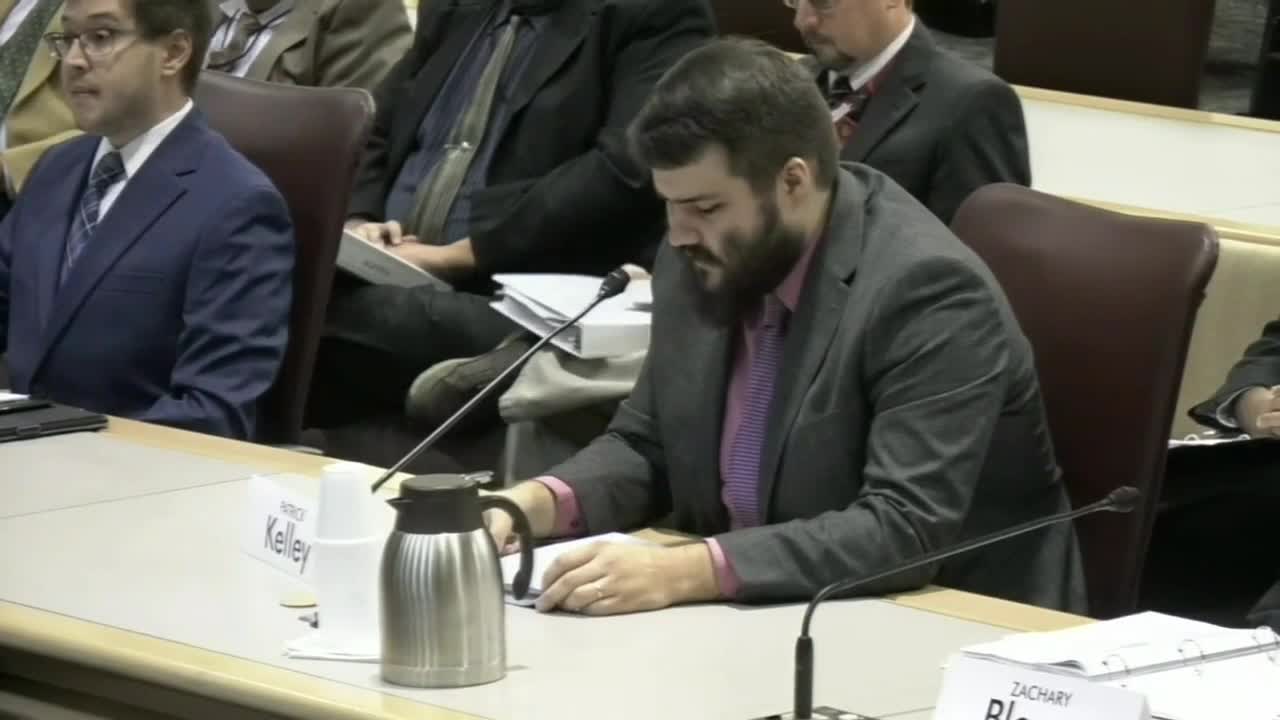
"Based on our review of the information provided, staff believes that the proposed subsequent year adjustment conforms with the terms approved in the rate case order," said Patrick Kelley with the Division of Economics. "Therefore, staff recommends that the Commission should approve the proposed rates and associated tariffs to implement the 2026 subsequent year adjustment, effective with the first billing cycle of January 2026."
WATCH: Higher energy bills ahead for TECO customers in 2026
The adjustment, part of TECO’s most recent rate case, aligns with prior commission orders and will take effect with January 2026 bills.
According to Food & Water Watch (F&WW), TECO residential bills will be 82% higher in January than in December 2020, an increase of about $939 a year.
The latest approved rate hike will add $5.51 a month for customers using 1,000 kWh, following three earlier increases in 2025, according to F&WW.
F&WW Florida organizer Isabella Moeller criticized the Public Service Commission and called on lawmakers to pass affordable energy legislation.
"Once again, DeSantis’ PSC is maintaining their track record of ensuring the wealth of corporations over the health of Floridians. By raising energy prices yet again, the Florida families already suffering from the high cost of living will only be worse off. It doesn’t have to be this way," said Moeller. "This era of corporate greed over community need must stop. The Florida state legislature must prioritize passing affordable energy legislation this session to ensure that families can afford the basic cost of living. Without commonsense legislation, corporations like TECO will continue to profit off of struggling families’ backs."
'Left in the dark': Families say they weren't notified during Aviata evacuation
Tampa Bay 28 heard from multiple families with similar questions and concerns about the lack of communication.
