

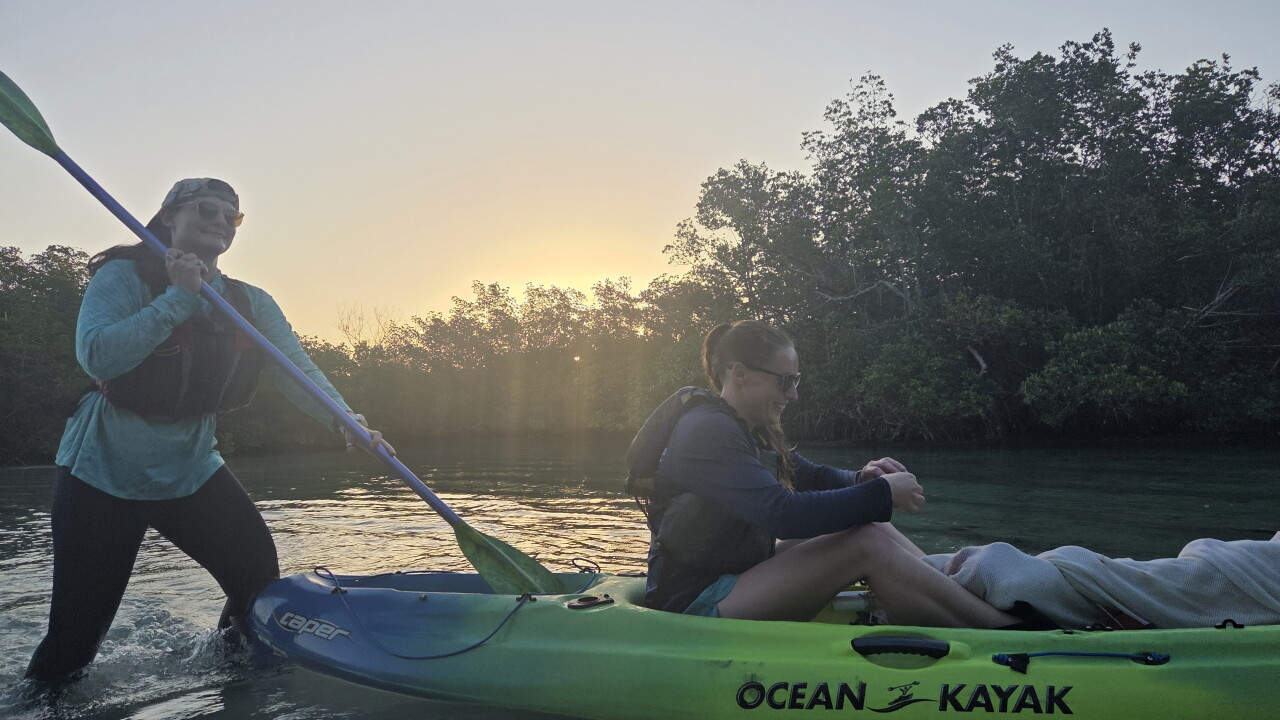


SARASOTA COUNTY, Fla. — Nearly two years after Midnight Pass reopened during the 2024 hurricane season, researchers are watching an ecosystem adjust to a waterway that had been closed for roughly four decades.
Researchers at New College of Florida have been studying the area since the pass reopened, tracking everything from seagrass and fish populations to salinity, sediment and other environmental conditions.
The work is part of a three-year study examining how the ecosystem responds to the major disturbance created by the reopening of the pass.
WATCH NOW: Researchers track how Midnight Pass ecosystem is finding its new normal after reopening
Assistant Professor of Biology Samuel Bedgood said the area looked dramatically different before the pass reopened.
“Before it reopened, when it was closed off, we saw about 100% seagrass cover in the areas that we studied,” Bedgood said. “So those were completely covered in very thick seagrass.”
When the pass reopened, Bedgood said sand covered the seagrass in the areas the team studies, leaving researchers with no seagrass cover there initially.
Now, they are beginning to see some of it return.
“We’ve seen a very slow trickle back of seagrass growing,” Bedgood said. “We are now at about 10 to 15% at maximum.”
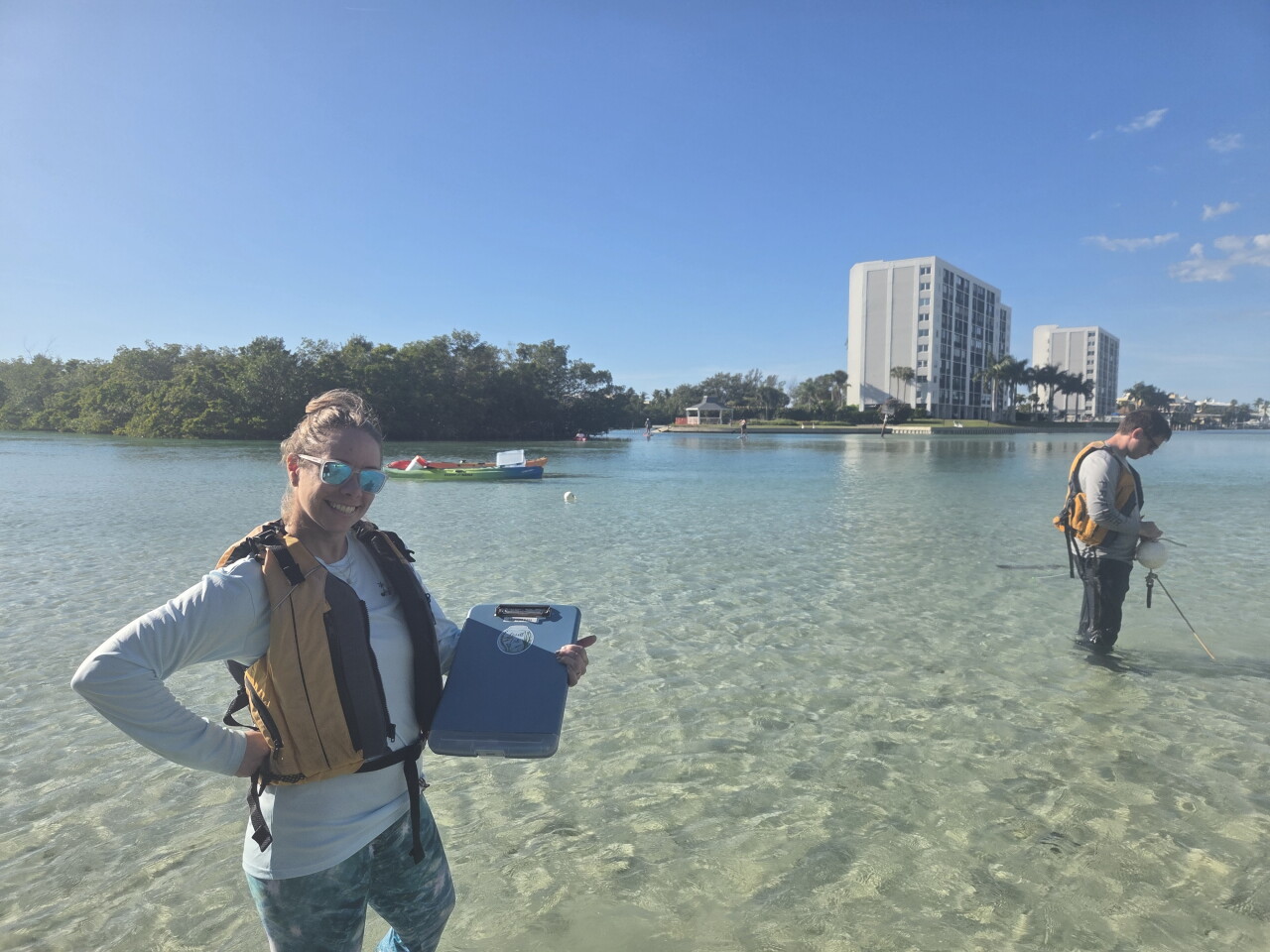
Bedgood cautioned that researchers do not necessarily expect those areas to return to 100% coverage. With water once again flowing through the pass, the ecosystem itself is different.
“It’s not necessarily a good or a bad thing, these changes, but we do see that it’s changing significantly,” Bedgood said.
Tracking the ecosystem month by month
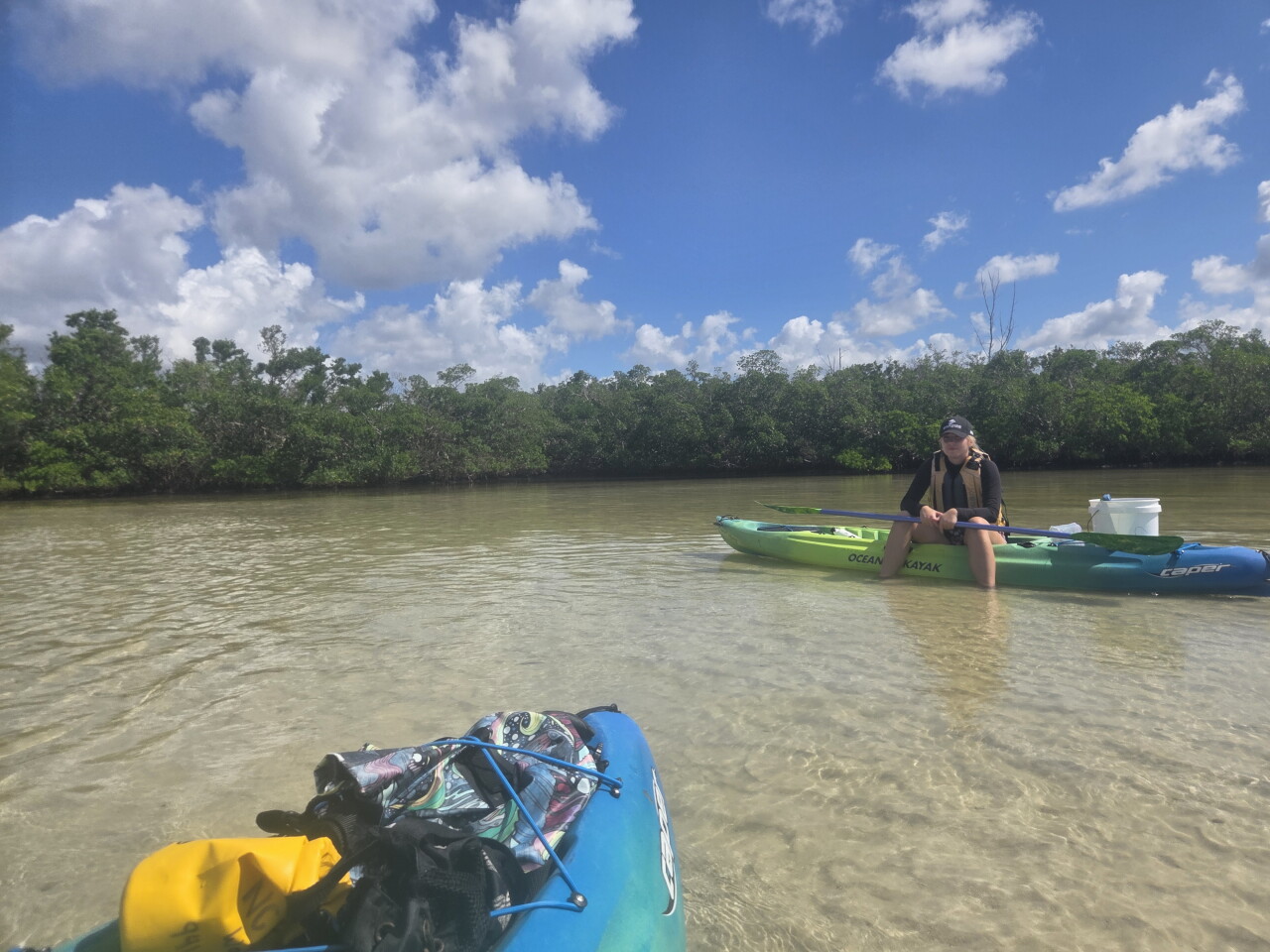
Each month, researchers and students return to Midnight Pass to collect another round of data.
The team studies four transects in and around the pass, allowing researchers to compare conditions near its mouth with areas farther away.
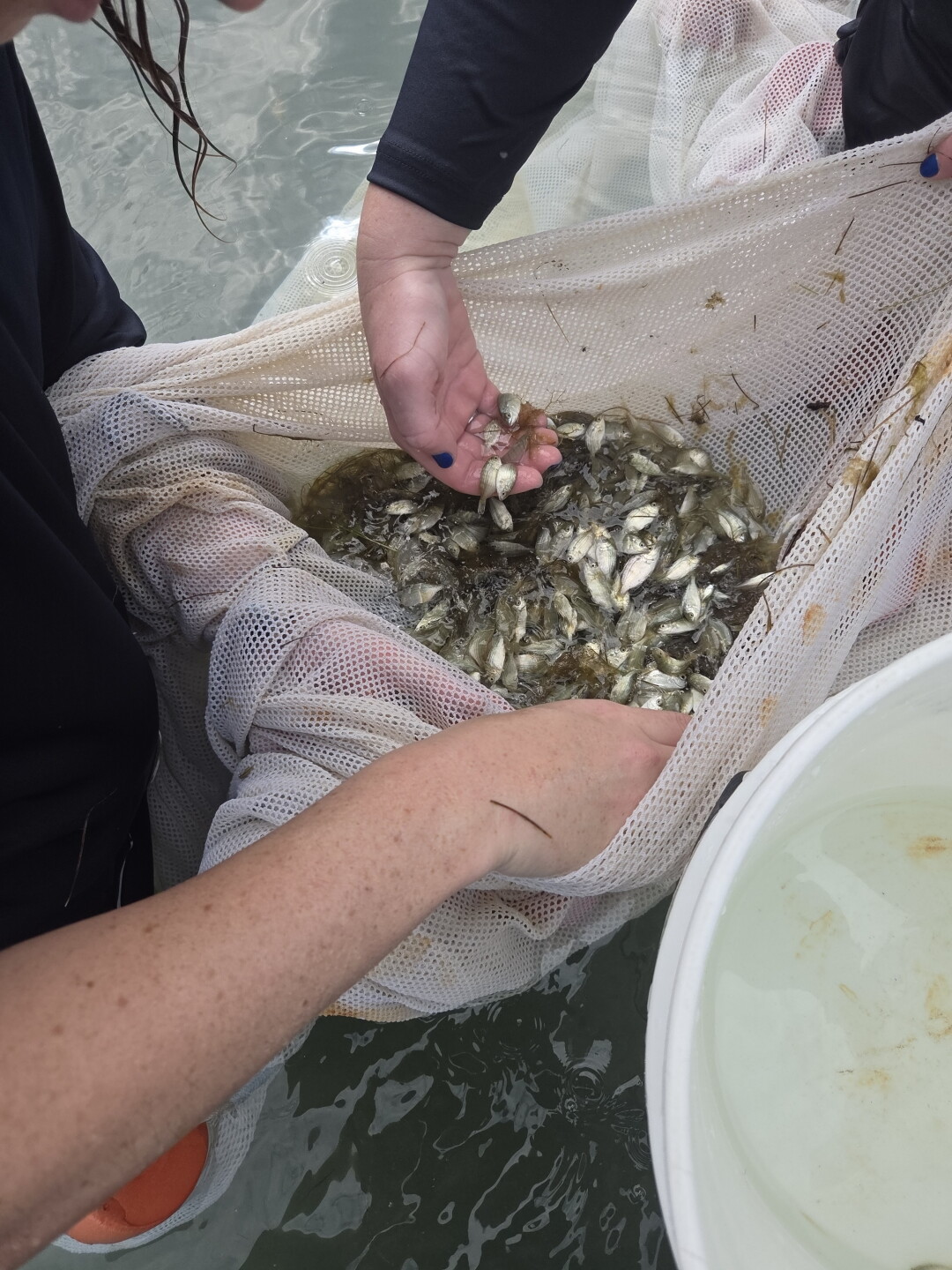
Their work includes documenting seagrass, collecting sediment cores and water samples, measuring factors including salinity, temperature, pH and dissolved oxygen, and surveying fish and invertebrates.
Researchers also collect samples used to look for red tide and environmental DNA, or eDNA, which can provide evidence of animals in the water that the team may not physically catch in its nets.
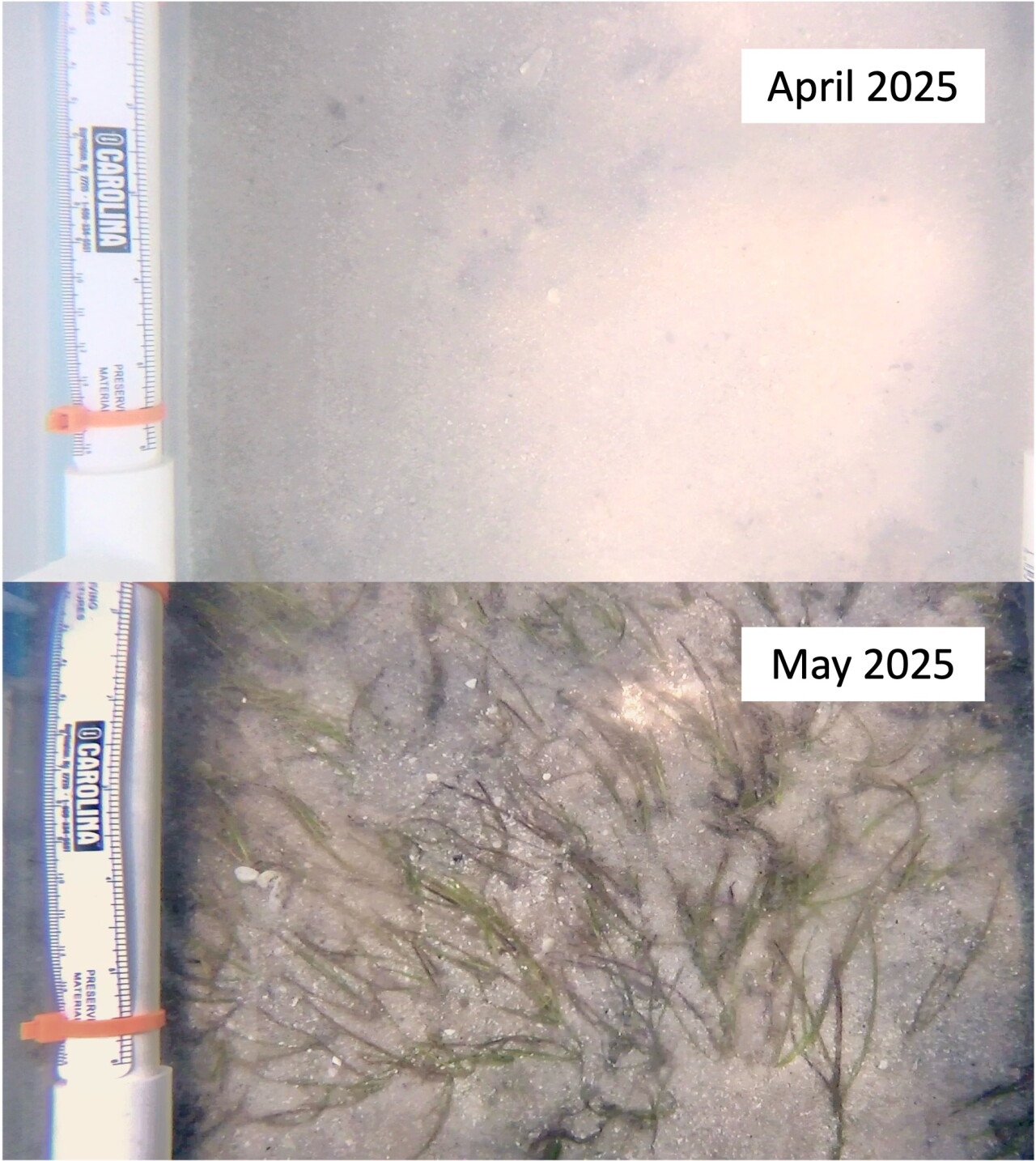
For Katie Sands, a 2026 New College graduate who now works as a post-baccalaureate research associate, photographs provide another way to see what is happening beneath the surface.
The team returns to the same locations and photographs the seagrass along established transects. Those images are then analyzed to determine how much of each area is covered by seagrass.
“It’s really cool to see just how much everything changes from month to month,” Sands said.
She said one location could have roughly 10% seagrass coverage one month, appear to have none months later and then show seagrass again during a later survey.
“It really is just an ever-changing environment like that,” Sands said.
As the seagrass returns, so does marine life
Assistant Professor of Marine Biology Samantha Levell said the team is also seeing connections between the changing habitat and the animals living there.
When seagrass was lost, researchers saw species associated with sandy environments appear. Now, as patches of seagrass return, Levell said they are also seeing seagrass-associated species move into the habitat.
“Now that our seagrass is slowly coming back, we can actually see those seagrass-associated species are finding this habitat from however far away they are,” Levell said. “They are coming in and settling.”
Researchers do not yet know exactly what the ecosystem will ultimately look like.
Levell said historical surveys show that when Midnight Pass was open in the past, there was not seagrass directly around its opening. Seagrass filled into portions of the area after the pass closed.
The water moving through the reopened pass is significant, too.
Levell cited an estimate from the Sarasota Bay Estuary Program that more than 30 million gallons of water move into the area each day.
“So you can imagine the flushing ability is super strong,” Levell said.
Sarasota County also monitoring Midnight Pass
New College researchers aren't the only ones watching the area.
In response to questions from Tampa Bay 28, Sarasota County said it is monitoring seagrass, scallops, water quality and mangrove trimming around Midnight Pass. Water-quality monitoring includes measurements such as nitrogen, phosphorus, clarity and color, according to the county.
The county surveyor is also collecting depth measurements and cross-sections of the inlet almost every week.
County officials said monitoring sites across Little Sarasota Bay showed an average increase in seagrass coverage in 2025.
Closer to Midnight Pass, however, the county said there were initially decreases in seagrass coverage following the October 2024 opening, likely due to sedimentation and turbid water conditions during winter 2025.
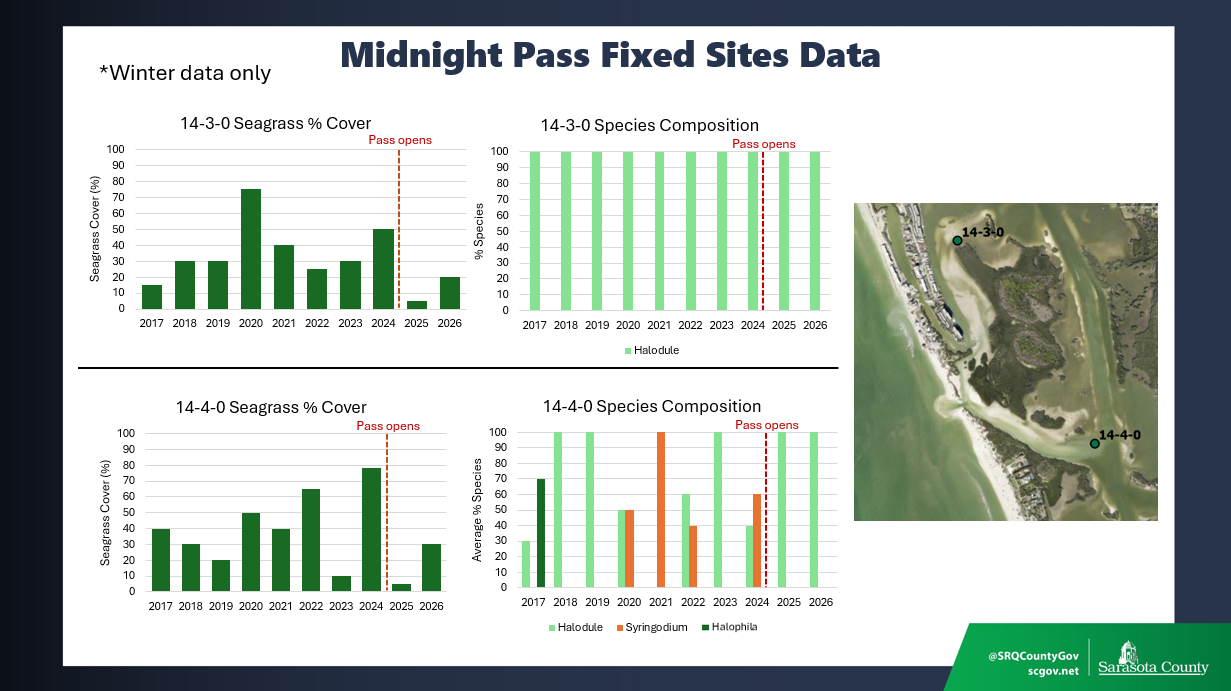
The county said the area has shown some recovery earlier this year, while emphasizing that it remains dynamic and sediment continues to move in and around the inlet.
Sarasota County said it is not working with New College researchers or receiving information from their research.
The county said it continues to monitor its own environmental data along with results from monthly manatee aerial surveys conducted by Mote Marine Laboratory.
Researchers say visitors can play a role
The reopened pass has also become a destination for boaters, kayakers and other visitors.
Bedgood said the area is now a no-wake zone, something he said is important for protecting recovering seagrass and wildlife.
“We want to make sure that our seagrass that is there and our wildlife that is coming back there is not hurt by vessels that are coming through the pass,” Bedgood said.
For researchers, the story of Midnight Pass is far from finished.
Their three-year study is expected to continue through the summer as they document an ecosystem still finding its new normal.

Pasco County mom of 5 takes in 3 children left without food or power whose mother faces neglect charges
Jasmine Young, a mother of 5, opened her home to three neglected girls as their mother faces child neglect charges for leaving them without food, power or water.
